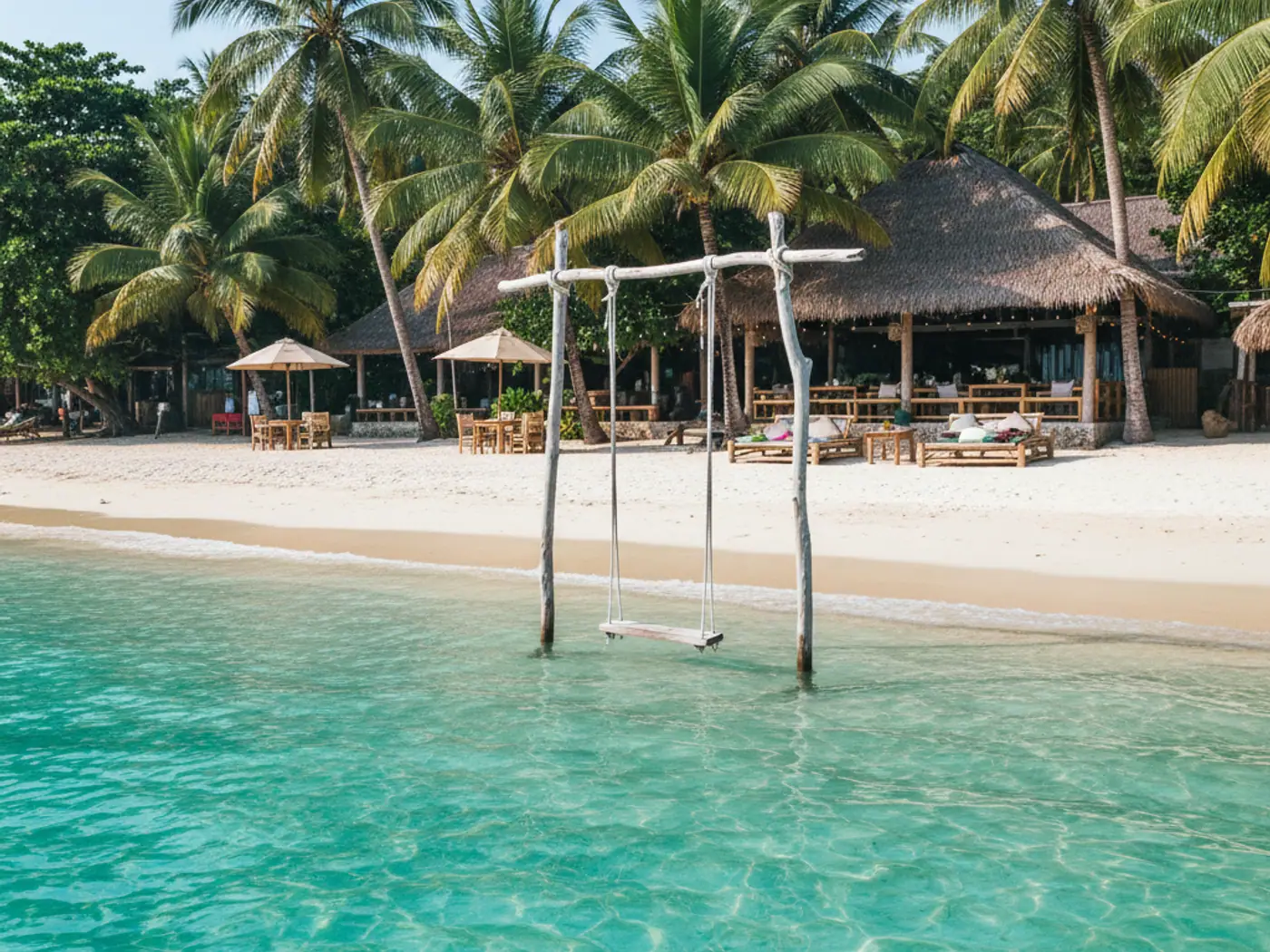
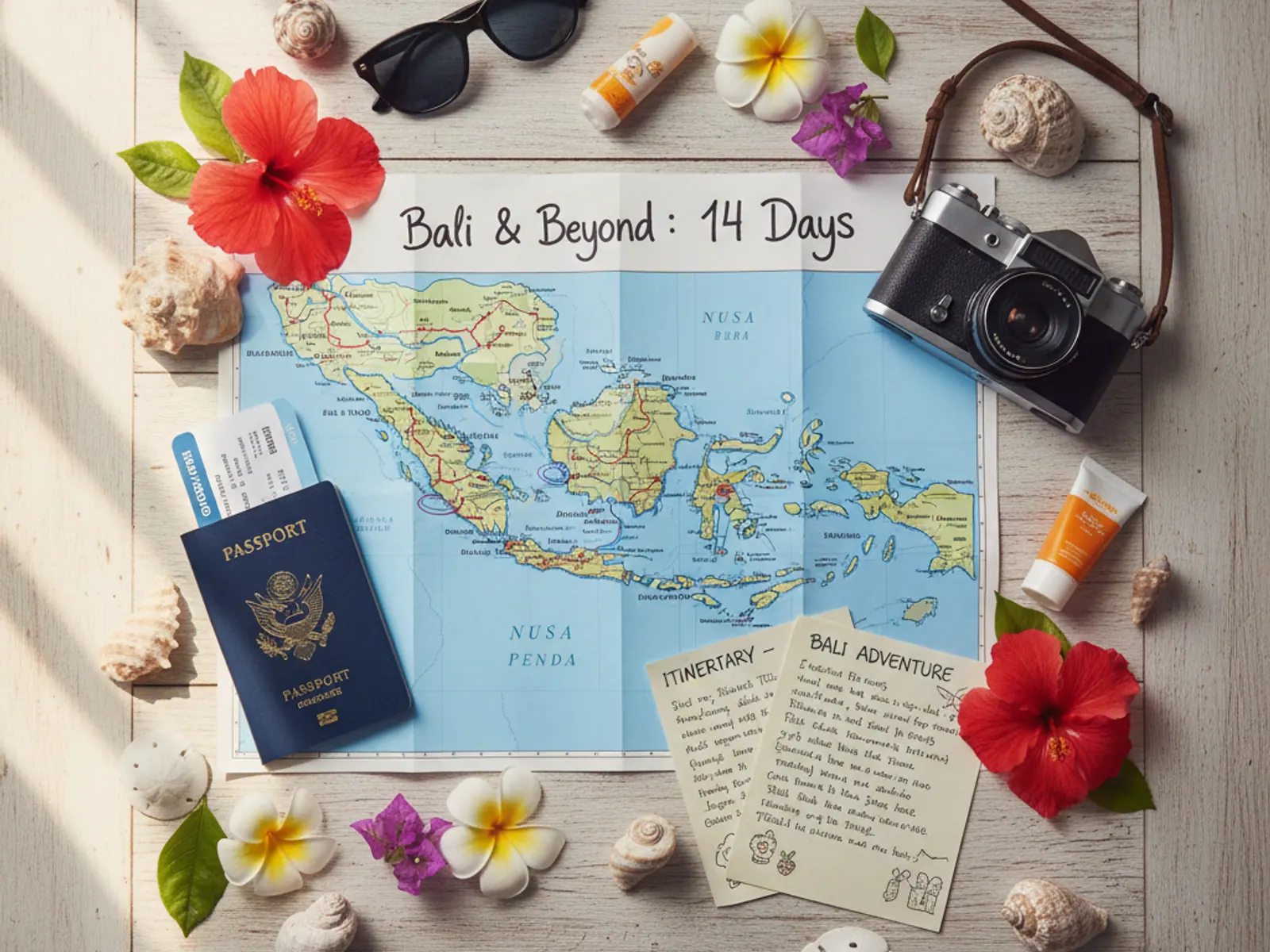
Twenty-one days in Bali is the threshold where you stop being a tourist and start feeling like a temporary local. You learn which warung does the best lawar on your street, you have a favourite coffee in Ubud you go back to three mornings in a row, and you see enough of the island to understand that the south — Canggu, Seminyak, Uluwatu — is really quite different from the north and east. This itinerary is designed for slow travellers: digital nomads on a working stretch, people on a sabbatical, retirees with no agenda, or anyone who believes that the best travel involves staying long enough to be bored once or twice. Move every 3–4 nights, leave room for unplanned days, and trust that Bali will fill the gaps.
Who this itinerary suits
This route is for travellers with a minimum of three weeks and a preference for depth over breadth. It is ideal for digital nomads (Canggu and Ubud have excellent coworking), people doing a yoga retreat (Ubud), PADI dive course candidates (Amed), and anyone who wants to see the two Balis: the hip south and the quiet, largely overlooked north and east. It is not the right itinerary if you want to tick every major sight as fast as possible — see the 10-day or 7-day options for that.
Transport strategy
For 21 days, a combination of private drivers and rented scooters is ideal. Hire a driver for all inter-area transfers and for the longer day trips (north Bali waterfalls, Besakih, Tulamben). Rent a scooter for your daily within-zone exploration — you will save money and see more. In Canggu and Ubud, scooter rental is Rp 80,000–120,000/day. In Amed and Lovina, many guesthouses offer free scooter loan to guests. Avoid renting a car unless you have an International Driving Permit — police checks for tourists have increased since 2024.
Accommodation strategy
Move every 3–4 nights rather than daily. Long stays reduce the overhead of packing and let you get genuinely comfortable in each zone. Use guesthouses in villages for the authentic north and east sections (Munduk, Sidemen) — they often include breakfast and offer home-cooked dinners. In Canggu and Ubud, villa shares or Airbnb apartments by the week cost less per night than nightly guesthouse rates. In Gili Islands, a beachfront bungalow for one night is all you need before heading back to Bali.
Days 1–4 — Canggu: settle, surf, cafe-culture
Day 1: Arrive, driver to Canggu, check in. Batu Bolong beach walk at sunset. Warung dinner.
Day 2: Surf lesson at Batu Bolong or Echo Beach. Canggu cafe circuit: Shelter, Crate, Nude Bali. Sunset at La Brisa or The Lawn.
Day 3: Day trip to Tanah Lot temple and Jatiluwih UNESCO rice terraces (driver day Rp 600,000). Jatiluwih is vast, rolling and almost serene compared to Tegallalang. Return via Taman Ayun Temple.
Day 4: Free day in Canggu. Cowork at Dojo or Outpost Canggu. Afternoon scooter ride north to Pererenan or Cemagi — these villages have a completely different, local feel from the tourist Canggu strip. Dinner at Warung Varuna.
Days 5–8 — Ubud: culture, jungle, yoga, rice fields
Day 5 transfer: Canggu to Ubud via Taman Ayun and a brief stop at Pura Taman Saraswati (the lotus pond temple in Ubud centre). Check in. Evening Campuhan Ridge walk.
Day 6: Tegallalang sunrise (05:45 pickup). Breakfast at Alchemy. Monkey Forest late morning. Afternoon free — cooking class at Paon Bali or massage.
Day 7: Nusa Penida day trip — very early start (driver to Sanur 06:00, ferry 07:30). West circuit: Kelingking, Angel’s Billabong, Broken Beach, Crystal Bay. Return by 20:00. This day is genuinely tiring — rest well after.
Day 8: Rest day in Ubud. Morning yoga at Yoga Barn (drop-in Rp 150,000). Afternoon cowork or read at a cafe on Jalan Gootama. Dinner at Locavore (book in advance). This is your last full day in Ubud — take it slowly.
Days 9–10 — Munduk: cool, misty, mountain waterfalls
Day 9 transfer: Ubud to Munduk is 2–2.5 hours north. Route via the volcanic lakes — Twin Lakes (Buyan and Tamblingan) are worth a 30-minute lakeside walk. Munduk sits at 900m elevation; it is genuinely cool compared to the south, covered in coffee, clove and cinnamon plantations. Check in to a mountain lodge with valley views. Dinner included with most guesthouses.
Day 10: Munduk Waterfall trail. The Munduk area has 4–5 waterfalls within walking or scooter distance: Golden Valley Waterfall, Melanting Falls, Lamukih. A morning walk circuit (2–3h) covering two waterfalls is ideal. Afternoon coffee plantation tour (most guesthouses organise this free) — try Luwak coffee only if it is ethically sourced (ask your host). Return south the next morning.
Days 11–12 — Lovina: dolphins, calm black-sand coast
Day 11 transfer: Munduk to Lovina is 45 minutes north to the coast. Lovina is Bali’s north coast — black-sand beaches, calm flat water (no surf), cheap seafood and almost no tour buses. The pace here is slow by Balinese standards. Check in beachfront if possible.
Day 12: 05:30 dolphin boat trip — Lovina’s famous sunrise dolphin-watching excursion. Traditional outrigger boats go out to where a resident pod feeds at dawn. Rp 200,000–300,000 per boat (take the whole boat with a group rather than sharing). Back by 08:00. Afternoon: Pura Pulaki temple (30 min west, sea cliff location, monkey shrine) and Banjar Hot Springs (Rp 30,000, naturally heated mineral pools in a jungle garden). Sunset beachfront dinner.
Days 13–15 — Amed: diving, calm, black sand
Day 13 transfer: Lovina to Amed is 2.5h along the north coast then south through the mountains — a beautiful scenic drive past salt flats and fishing villages. Check in at a Jemeluk or Lipah beachfront guesthouse.
Day 14: Tulamben USAT Liberty wreck — 20 minutes north of Amed. Dive or snorkel (the bow is at 5m). Return by noon. Afternoon: Jemeluk Bay snorkel (excellent coral just offshore, free). Sunset kayak on the bay (Rp 100,000 hire).
Day 15: Full rest day or optional second dive at Tulamben (drop zone or canyon dives for certified divers). Alternatively, use this day for the PADI Open Water theory and confined water session if you want to get certified — Amed is one of Asia’s best-value certification locations.
Days 16–17 — Sidemen: rice paddy village, Agung views
Day 16 transfer: Amed to Sidemen is 1.5h south. Stop briefly at Tirta Gangga water palace (Rp 20,000). Check in to a ridge guesthouse in Sidemen — the view of Mount Agung dominating the valley is the visual highlight of the whole 21-day trip.
Day 17: Morning rice paddy walk through Sidemen and Iseh villages — guide optional (ask your guesthouse, Rp 150,000 for a 3h walk). Afternoon at your guesthouse terrace. Weaving cooperative visit — Sidemen is known for traditional tenun ikat weaving, and most cooperatives welcome visitors to see the looms. Buy a genuine handwoven piece to support local artisans.
Days 18–20 — Uluwatu: cliffs, surf, Kecak, last beach days
Day 18 transfer: Sidemen to Uluwatu is 2.5–3h via Denpasar. Arrive by afternoon. Padang Padang beach swim. Sunset at Single Fin. Kecak dance at 18:00 (Rp 100,000).
Day 19: Bingin or Balangan beach all day. Cliff walk along the Bukit Peninsula. Lunch at a clifftop warung above Uluwatu break watching the pros surf the famous left-hander. Afternoon massage. Sunset from Ulu Cliffhouse terrace.
Day 20: Seminyak day trip from Uluwatu (30 min). Spend a final afternoon in Seminyak’s beach clubs — Ku De Ta, Potato Head, Motel Mexicola for cocktails. Final dinner at Jimbaran Bay seafood — tables on the beach, grilled fresh catch, feet in the sand.
Day 21 — Optional Gili Air overnight or fly home
If flying late or the following day: early morning fast boat from Sanur to Gili Air (1h40min, Rp 450,000–650,000 one way). Gili Air is the quietest of the three Gili Islands — no cars, no motorbikes, walk or cycle everywhere. Snorkel the turtle spot at the east beach (free), hammock in a coconut grove, final tropical lunch. Fast boat back to Bali and airport. Alternatively, use Day 21 as a slow Uluwatu morning, late checkout, spa, and a relaxed airport departure.
Budget breakdown (per person, mid-range)
- Accommodation (21 nights, sharing): $500–800
- Food and drink: $350–500
- All private drivers and inter-area transfers: $250–380
- Activities (dive, Kecak, Nusa Penida, waterfalls, dolphins, Gili boat, yoga, cooking class): $200–300
- Scooter rental (12–15 days): $100–150
- SIM card, laundry, tips, incidentals: $80–120
- Total: approximately $1,480–2,250 per person sharing
What to pack for 21 days
- One medium backpack or small wheeled case (50L max — you will be moving often)
- 3–4 lightweight outfits (laundry every 4–5 days, Rp 20,000/kg)
- 2 sarongs (one for beaches, one always clean for temple visits)
- 3 sets of swimwear (Amed, Gili and Lovina are all swim-heavy)
- Reef-safe sunscreen (mandatory at Nusa Penida and Gili Islands)
- Light waterproof jacket (Munduk and north Bali can be cool and misty)
- Dive certification card if certified (saves having to prove it in Amed)
- Laptop and universal adapter if working remotely (Canggu and Ubud have excellent coworking)
- Unlocked phone for local SIM (Telkomsel Simpati for best coverage in remote areas)
Best time to follow this itinerary
June through September is perfect — long dry days, clear Agung views from Sidemen, no swell on the north coast for the dolphin trip, and the Munduk waterfalls are fed by enough water to be impressive without flooding the trail. April and October are good shoulder months. The wet season (November to March) is viable with adjustments: some waterfalls are inaccessible, the Nusa Penida crossing can be rough, and some north coast roads get washed out. Digital nomads often prefer February–March: lowest accommodation prices, lighter crowds, and mornings are usually clear.
Alternative day swaps
Replace Lovina with Menjangan Island: The Bali Barat National Park on the northwest coast has Bali’s best coral reef diving (Menjangan Island, $50–70 for a guided boat dive). A 2-night stay at Pemuteran village accesses both Menjangan and the Biorock coral restoration project.
Yoga retreat week: Replace the Ubud free days with a structured 5–7 day retreat at Fivelements or Radiantly Alive. These run weekly intakes and cost $800–1,500 all-in for accommodation, food and daily classes.
Extra Sidemen days: Replace the Gili Air leg with 2 additional nights in Sidemen and attempt a sunrise trek on Mount Agung (3,031m, requires a local guide, physically demanding, the most memorable thing you can do in east Bali).
Common mistakes on 21-day trips
- Overfilling every day: Slow travel means 1 activity per day maximum. If you try to replicate a 7-day itinerary’s pace over 21 days, you will feel exhausted by week 2 and resentful of the island by week 3.
- Only staying in tourist areas: Canggu and Seminyak are not representative of Bali. Schedule Sidemen and Munduk — they are what most people imagine when they picture Bali but rarely actually visit.
- Not getting travel insurance: Three weeks on scooters, diving and boats in a tropical country. Get travel insurance with medical evacuation cover. Good options include World Nomads and Safety Wing for long-stay travellers.
- Ignoring your visa extension deadline: Visa on Arrival is 30 days, extendable once for another 30 days. For 21 days you are fine. But if you decide to extend your trip, you must apply for the extension before the original 30 days expires — not on the last day.
Frequently asked questions
Is 21 days too long for a first visit to Bali?
Not at all. The north and east Bali sections on this route are genuinely different from the south — you could spend 21 days only in south Bali and feel like you missed half the island. If anything, 21 days is the minimum to cover the full geographic range without rushing.
Can I work remotely on this itinerary?
Yes. Canggu and Ubud have some of Southeast Asia’s best coworking infrastructure. Dojo Bali in Canggu is particularly well-equipped. Internet in Munduk, Amed and Sidemen is functional (4G, 10–20Mbps) but not suitable for video calls during peak hours. Build meeting-free days for the remote areas.
How do I handle the Bali visa for 21 days?
The standard Visa on Arrival (VoA) gives you 30 days, more than enough for 21. Apply for the e-VoA online before flying (saves queue time at immigration). Cost is $35 USD. Most nationalities qualify — check the Indonesian immigration website for your passport.
What is the best base for working remotely in Bali for 3 weeks?
Canggu for the most options (coworks, cafes, reliable fibre). Ubud for jungle focus and a more grounded pace. Both have digital nomad communities with regular social events. WhatsApp us if you want specific cowork or accommodation recommendations — we can match you to what works for your setup.
Is Mount Agung trekking safe?
Yes when done with a licensed guide and on a day when the volcano is not in active eruption alert (check the Magma Indonesia government monitoring service before booking). The trek typically starts at midnight and reaches the summit crater at sunrise — 5–7 hours up, 3–4 hours down. It is demanding but life-changing.
Can you help me build a custom 21-day plan?
Absolutely. WhatsApp us with your travel dates, budget, interests and any specific must-dos. We will design a day-by-day plan suited to your exact trip. Free, fast, no obligation.