Indonesia uses the Rupiah (IDR, symbol Rp). In April 2026, 1 USD buys approximately 16,000 IDR. That means the zeros stack up fast: a Rp 500,000 dinner is roughly $31. The single most common tourist mistake in Bali is getting confused by the denomination and either overpaying because you hand over the wrong note, or panicking because a price sounds enormous. This guide demystifies the currency and helps you handle cash and cards confidently.
TL;DR
- 1 USD = approximately Rp 16,000 (check the live rate at xe.com before you go).
- Banknotes come in Rp 1,000 / 2,000 / 5,000 / 10,000 / 20,000 / 50,000 / 100,000.
- Rp 100,000 is the largest note (~$6.25). You will handle large stacks for bigger purchases.
- Warungs and local shops are cash-only. Restaurants, hotels, and beach clubs take cards.
- Use ATMs at banks (BCA, BNI, Mandiri, BRI) for the best exchange rate. Avoid private exchange booths with suspiciously high rates.
- The famous Canggu short-change scam: count your notes before walking away from any cash exchange.
IDR Denominations and What They Buy
| Note | ~USD | What it buys |
|---|---|---|
| Rp 1,000 | $0.06 | Penny-equivalent, often used for rounding |
| Rp 2,000 | $0.12 | Small plastic bag at the market |
| Rp 5,000 | $0.31 | Bus fare, small snack |
| Rp 10,000 | $0.63 | Small bottle of water at a warung |
| Rp 20,000 | $1.25 | Coffee at a local warung |
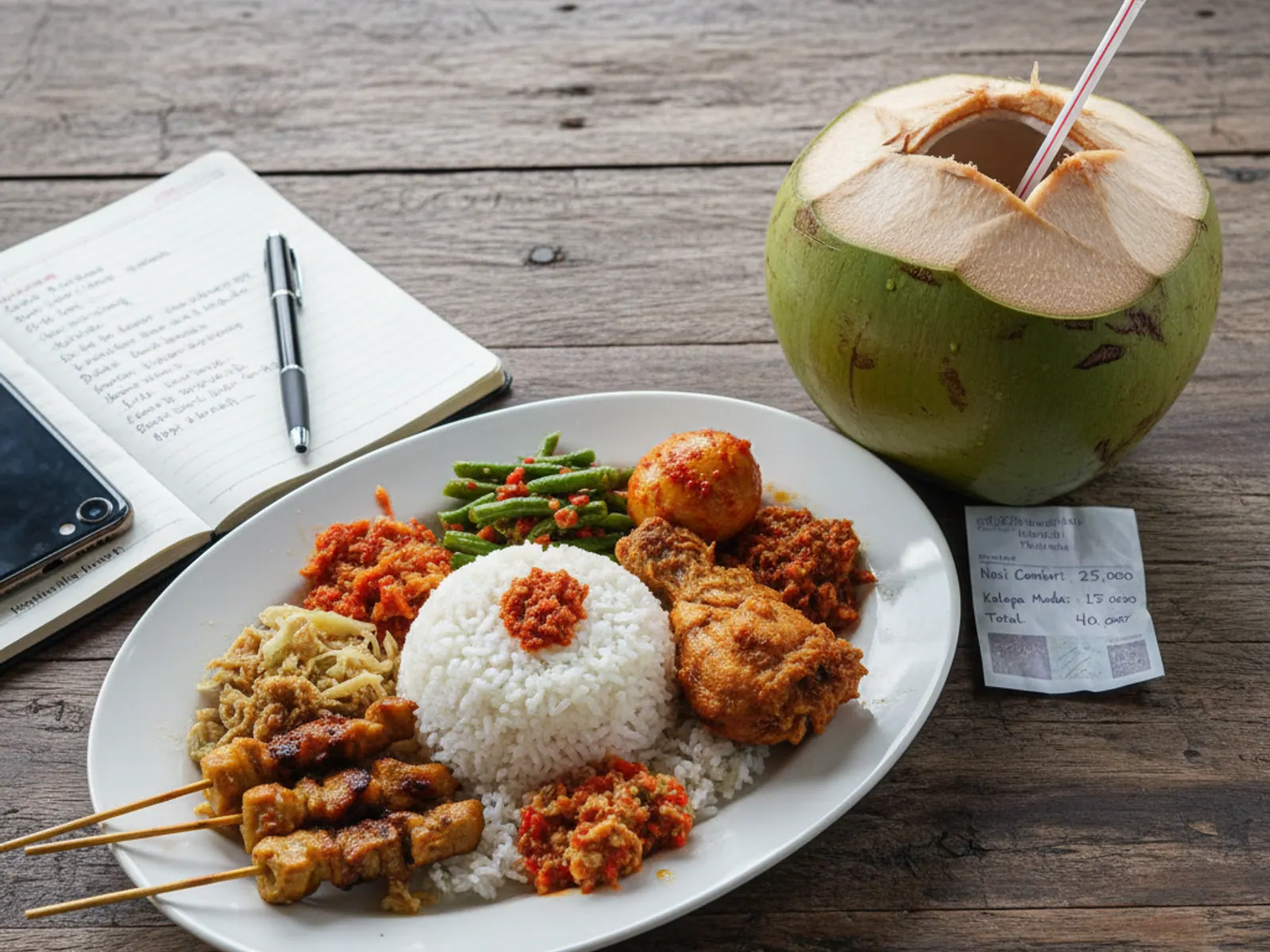
| Rp 50,000 | $3.13 | Warung meal (nasi campur + drink) |
| Rp 100,000 | $6.25 | Scooter rental for a day, massage tip, mid cafe lunch |
Where to Exchange Currency
Bank ATMs (best option): Withdraw IDR directly from BCA, BNI, Mandiri, or BRI ATMs. Your card is charged at the interbank exchange rate — very close to the mid-market rate (what you see on Google). Your home bank adds a foreign transaction fee (typically 1.5–3%) and possibly a flat ATM fee. This is still better than airport exchange counters for most people.
Licensed money changers: Look for PT (Perseroan Terbatas) authorized exchange booths. They post their rates publicly and process cleanly. In Kuta and Legian there are several on the main strip. Always check the rate before handing over cash.
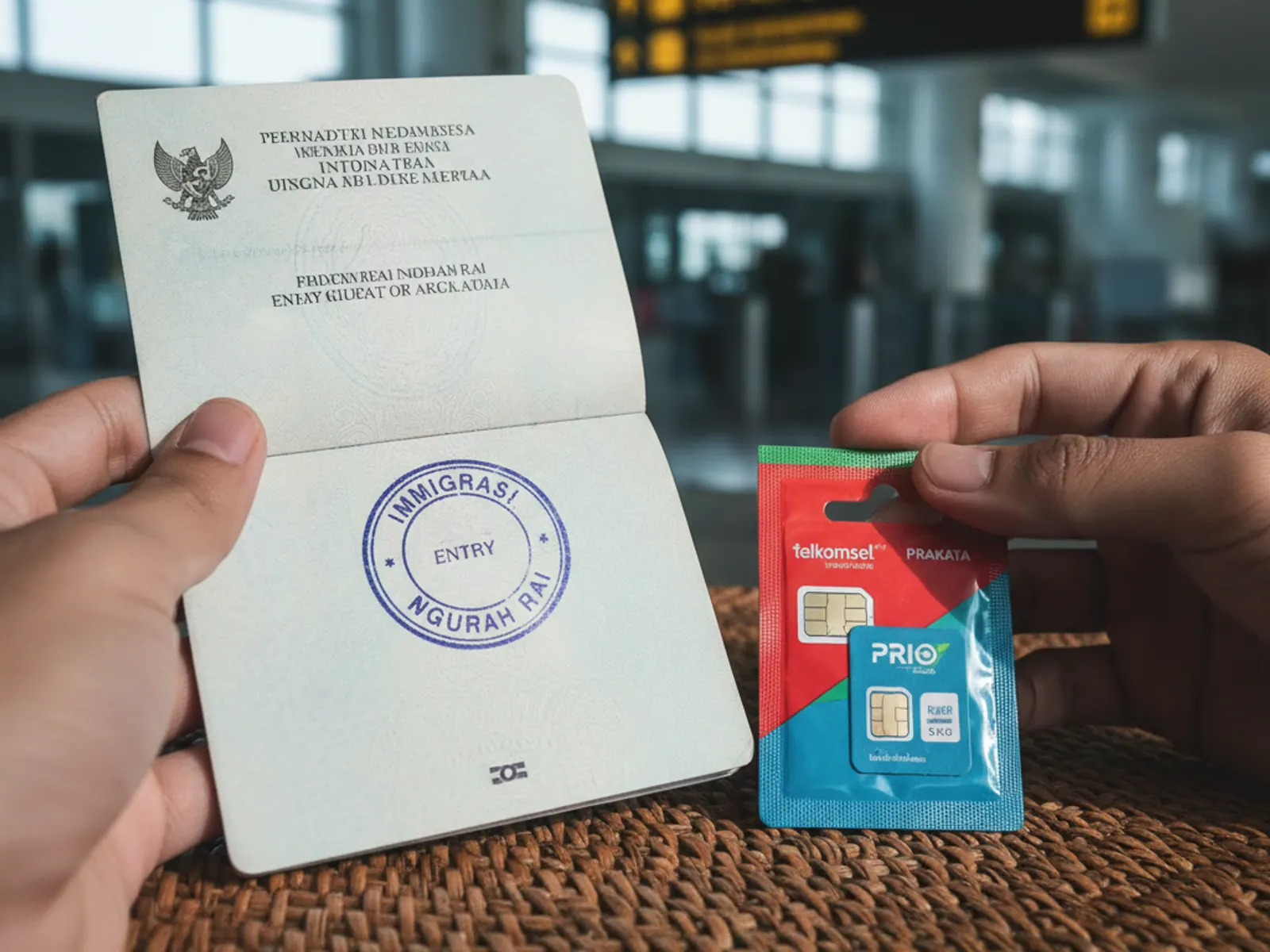
Airport exchange counters: Rates at Ngurah Rai arrivals are 5–10% worse than the mid-market rate. Acceptable for getting Rp 300,000–500,000 to cover taxi and VOA, but do not exchange your full trip budget here.
Hotel desks: Most convenient but worst rates — typically 10–15% below market. Use only in an emergency.
Avoid: Unofficial roadside exchange booths advertising exceptionally high rates (e.g., Rp 17,500 per USD when every other booth is showing Rp 16,200). These are typically the fast-count scam spots described in our scam guide.
Card Payments in Bali
Card acceptance has improved significantly since 2020. In 2026:
- Hotels, villas, resorts: Visa/Mastercard accepted everywhere. Occasionally a 2–3% card surcharge applies — ask before handing over your card.
- Restaurants and cafes: Most mid-range places accept card. Budget warungs are cash only.
- Supermarkets (Pepito, Bintang, Hardy's): Card accepted. Indomaret and Alfamart accept GoPay/OVO/local apps but often not foreign Visa/Mastercard.
- Beach clubs: Card accepted at the bar tab — you may need to leave a card-on-file to open a tab.
- Markets, temples, massages, street food: Cash only.
Revolut, Wise, and Starling card users: these cards use the interbank rate with low or zero foreign transaction fees, making them among the cheapest ways to pay in IDR via card.
QR Code Payments (GoPay, OVO, QRIS)
Indonesia has a national QR payment standard called QRIS (Quick Response Code Indonesian Standard). Almost all small businesses — including many warungs and market stalls — have a QRIS code posted on their counter. Indonesian residents pay via GoPay (Gojek) or OVO app directly from the QR.
As a tourist, you can link GoPay to a foreign Visa/Mastercard if you set up a Gojek account. Some tourists find this convenient for small payments without needing exact change. However, linking a foreign card to GoPay/OVO is occasionally blocked. It is more hassle than it is worth for a short trip — just carry small IDR notes for local shops.
Practical Tips for Handling IDR
- Always carry small notes: Rp 10,000, 20,000 and 50,000 notes are essential for warungs, temples, parking, tips. ATMs dispense Rp 50,000 and 100,000 only — break them at a supermarket or petrol station.
- Count your change: Count notes before leaving any cash transaction, especially at busy exchange counters.
- Negotiate before buying: At markets and with bemo/transport, always agree the price first. Price written on a card beats a verbal quote.
- ATM limit per transaction: Most Bali ATMs limit single withdrawals to Rp 2,000,000–3,000,000 (~$125–190). Withdraw twice if you need more. BCA ATMs typically allow Rp 3,000,000 per transaction.
- Keep some USD cash: The VOA is payable in USD if you lack IDR. Having $50 USD in crisp bills ($20s and $10s) is useful as emergency backup.
6 Frequently Asked Questions
- Is the exchange rate better in Bali or in my home country?
- Usually better in Bali via a bank ATM (interbank rate minus your bank's foreign fee) than exchanging at home. Currency exchange bureaux at home typically offer poor IDR rates because IDR is exotic and they carry thin margins.
- Are there any denominations larger than Rp 100,000?
- No. Rp 100,000 (~$6.25) is the largest banknote in circulation. This means large purchases involve thick stacks — bring a money clip or an extra wallet compartment.
- Can I use USD cash for everyday purchases?
- Only at some tourist-facing businesses in South Bali. The vast majority of Bali runs on IDR. Always have IDR for day-to-day spending.
- How much IDR should I carry day to day?
- For a mid-range day, Rp 500,000–800,000 (~$31–50) covers food, scooter, activities and tips with a reasonable buffer. Adjust based on your spending style.
- Are coins used in Bali?
- Technically yes — coins exist in denominations Rp 100, 200, 500, 1,000. In practice they are rare in tourist areas. Most transactions round to the nearest Rp 1,000. Do not stress about exact change.
- Can I take IDR out of Indonesia?
- You can take up to Rp 100,000,000 (~$6,250) out of Indonesia without declaration. Above that you need a Bank Indonesia permit. Practically, IDR is hard to exchange outside Indonesia — reconvert leftovers before you leave at an authorized money changer or airport counter.