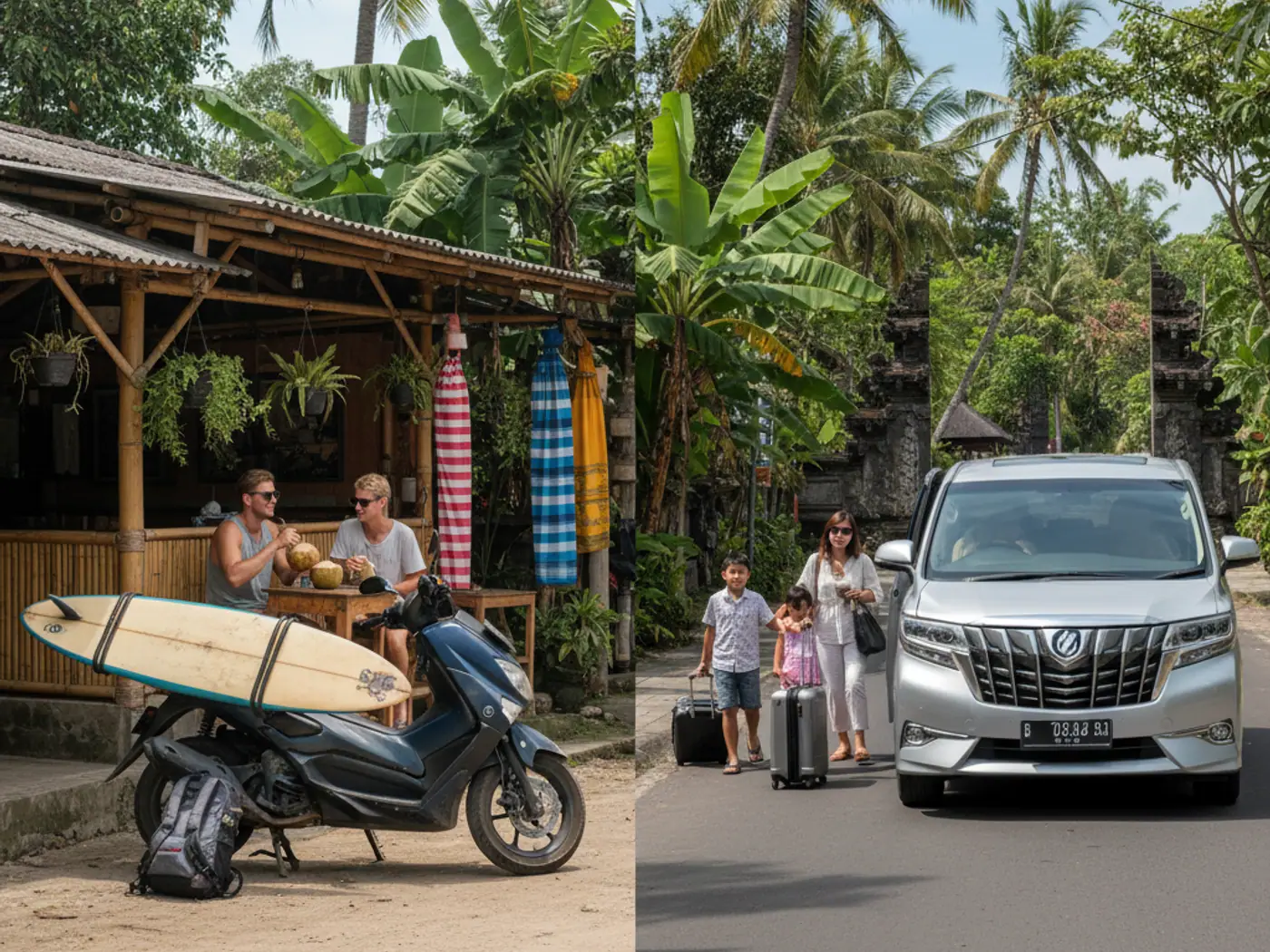
Millions of tourists visit Bali every year and the vast majority have no safety issues whatsoever. Bali scores low on violent crime compared to most Western cities and exceptionally low on terrorism risk in tourist areas. The real risks facing tourists in Bali are: traffic accidents (the number one cause of tourist injury), rip currents and ocean hazards, petty theft (pickpockets and bag snatching from scooters), scams targeting tourists, and the absolutely serious consequences of Indonesian drug laws. This guide is honest about each of these.
TL;DR
- Bali is generally safe. Violent crime against tourists is rare.
- Traffic is the biggest physical danger — scooter accidents are the leading cause of tourist injury and death.
- Ocean rip currents kill several tourists per year — only swim at patrolled beaches, respect flags.
- Petty theft (bag snatching, pickpockets) happens in crowded areas. Keep phones and wallets out of sight.
- Drug laws in Indonesia are among the world's strictest. Possession can result in years in prison. There are no exceptions for tourists.
- Tap water is not safe to drink. Drink bottled or filtered water only.
Traffic Safety — The Real Risk
Bali's roads are chaotic by Western standards. Traffic laws exist but are loosely enforced. Scooters weave, trucks pull out without warning, and road surfaces deteriorate quickly after rain. Driving in Bali on a scooter without experience is genuinely dangerous.
If you have never ridden a scooter: do not start in Bali traffic. Take a driver or use Grab/Gojek. The combination of left-side driving (if you are from a right-side country), unfamiliar scooter controls, heavy traffic and unfamiliar roads is a high-risk mix for first-timers.
If you do ride: Always wear a full helmet (not just a thin shell). Avoid main arterials during peak hours (7–9 AM, 5–7 PM). Be especially careful in rain — roads become slippery, visibility drops, and drains overflow. Do not drink and ride. Have travel insurance that covers scooter accidents (many policies exclude this — read yours before renting).
Helmet law: Indonesian law requires helmets for all scooter riders. Police checkpoints occasionally ticket tourists. Beyond the legal issue, helmets genuinely save lives — the roads here make this non-negotiable.
Ocean Safety
Bali has beautiful beaches but its coastline includes some powerful surf breaks and serious rip currents. Several tourists drown in Bali each year, mostly at unpatrolled beaches or by underestimating the surf.
Safe swimming beaches (2026): Sanur (calm, gentle waves, ideal for families), Nusa Dua (calm bay, lifeguards), Jimbaran Bay (generally calm south section). The flat-water side of Nusa Lembongan is safe for non-swimmers.
Surf beaches — swim with care: Kuta, Legian, Seminyak, Echo Beach, Canggu beaches all have surf breaks and rip currents. Swim between the red and yellow flags where lifeguards are stationed. Never swim alone.
Never swim at: Padang Padang, Uluwatu and Bingin beaches (surf and sharp reef), Dreamland / Impossible / New Kuta (heavy shore break), Tanah Lot (rocks and currents — it is for photos, not swimming).
Rip current rule: If caught in a rip, do not fight it — swim parallel to the shore until clear of the current, then angle back in. Yell and raise one arm to signal for lifeguard help.
Petty Theft and Street Crime
Violent mugging is rare in Bali. The theft that does happen is typically opportunistic:
- Bag snatching from scooters: Someone on a scooter grabs a bag as they pass. Keep bags on your lap or diagonal across the body (not hanging off the shoulder) when walking near roads, especially in Kuta and Legian.
- Phone theft from cafes and restaurants: Do not leave your phone on the table in crowded tourist areas. Hands off the table, phone in your pocket.
- Pickpockets at markets: The Kuta Art Market and Ubud Art Market are busy — hold bags in front and keep wallets in front pockets.
- Accommodation theft: Use the in-room safe for passports, extra cash and cameras. Lock your room — even at villas.
Drug Laws — Zero Tolerance
Indonesia's drug laws are among the strictest in the world. This is not an exaggeration for effect — it is a genuine legal reality that has affected tourists.
What the law says: Possession of drugs (including marijuana, MDMA, cocaine, methamphetamine) can result in 4–12 years imprisonment under Indonesian law. Drug trafficking carries potential death penalty. There is no tourist exemption, no "just a personal amount" exception, and embassies have very limited ability to help.
The Bali Nine case (2005): A group of Australian nationals attempted to traffic heroin through Bali. Two received the death penalty. This is not a historical anomaly — Indonesian law enforcement takes drug cases seriously.
Police entrapment: There are documented cases of tourists being sold drugs by someone who then alerts a corrupt officer. Both the buyer and the supplier then extort money to make it go away. This does not always go away — sometimes it ends in arrest regardless of payment.
The advice is simple: do not carry, buy or use drugs in Bali.
Food and Water Safety
Tap water: Not safe to drink in Bali. Even locals drink bottled or filtered water. Always use bottled water for drinking and brushing teeth. Large 5-litre refill stations (Rp 5,000–10,000) are available everywhere for eco-conscious travellers — bring a reusable bottle.
Ice: At reputable restaurants and beach clubs, ice is made from purified water and is safe. Street food ice and cheap warungs are more variable — if you are concerned, order drinks without ice (tanpa es).
Food safety: Bali Belly (traveller's diarrhoea) is real but manageable. Stick to freshly cooked food, avoid raw salads washed in tap water at budget places, and buy fruit from reputable vendors. Most tourists have no stomach issues if they eat at warungs with visible cooking activity and rapid turnover.
See our Health & Vaccines guide for advice on medications to bring and where to find a clinic if you do get sick.
Solo Female Travel
Bali is generally considered one of the safer destinations in Asia for solo female travellers. The tourism infrastructure is well-developed, other tourists are everywhere, and harassment is less common than in parts of South Asia or North Africa.
Practical precautions:
- Use Grab or Gojek rather than unmarked taxis, especially late at night.
- In Kuta and Legian nightlife areas, the same awareness required in any busy bar district applies.
- Ubud and quieter areas are calm and walkable after dark near the main streets.
- Dress modestly when visiting temples and villages — it helps with general respect and reduces unwanted attention.
- Join a surf class, yoga retreat, or co-working space early in your trip — you will quickly meet other solo travellers.
6 Frequently Asked Questions
- Is it safe to walk around at night in Bali?
- In tourist areas (Seminyak, Canggu, Ubud, Sanur), yes — streets are generally lit and busy. In Kuta and Legian nightlife zones, the same caution you would apply in any busy nightclub district applies. Avoid unlit rural roads after dark.
- Are Bali temples safe to visit?
- Yes. Temples are welcoming to respectful visitors. Wear a sarong (often provided or rented at the gate for Rp 10,000–20,000). The monkey area at Uluwatu and Sangeh Monkey Forest requires vigilance — monkeys steal sunglasses, phones and food.
- What is the emergency number in Bali?
- Police: 110. Ambulance: 118 or 119. Fire: 113. Bali Tourist Police (English): +62 361 224111. BIMC Hospital Kuta (24h): +62 361 761263. SOS Medika Ubud: +62 361 977020.
- Are there any terrorism risks in Bali?
- The 2002 and 2005 Bali bombings are historical context, not current threat indicators. Indonesian security forces have significantly improved counter-terrorism capabilities since then. Most Western government travel advisories list Bali at "exercise normal precautions" or "exercise a high degree of caution" — consistent with popular tourist destinations globally. Check your government's official travel advisory for the latest assessment.
- Is it safe to rent a scooter without an international driving permit?
- Legally, you need an Indonesian SIM or an International Driving Permit (IDP) that covers motorcycles. In practice, police checkpoints occasionally target tourists for this and fine Rp 50,000–200,000. More importantly, some travel insurance policies void scooter coverage if you lack the correct licence. Check yours before renting.
- Should I be worried about natural disasters?
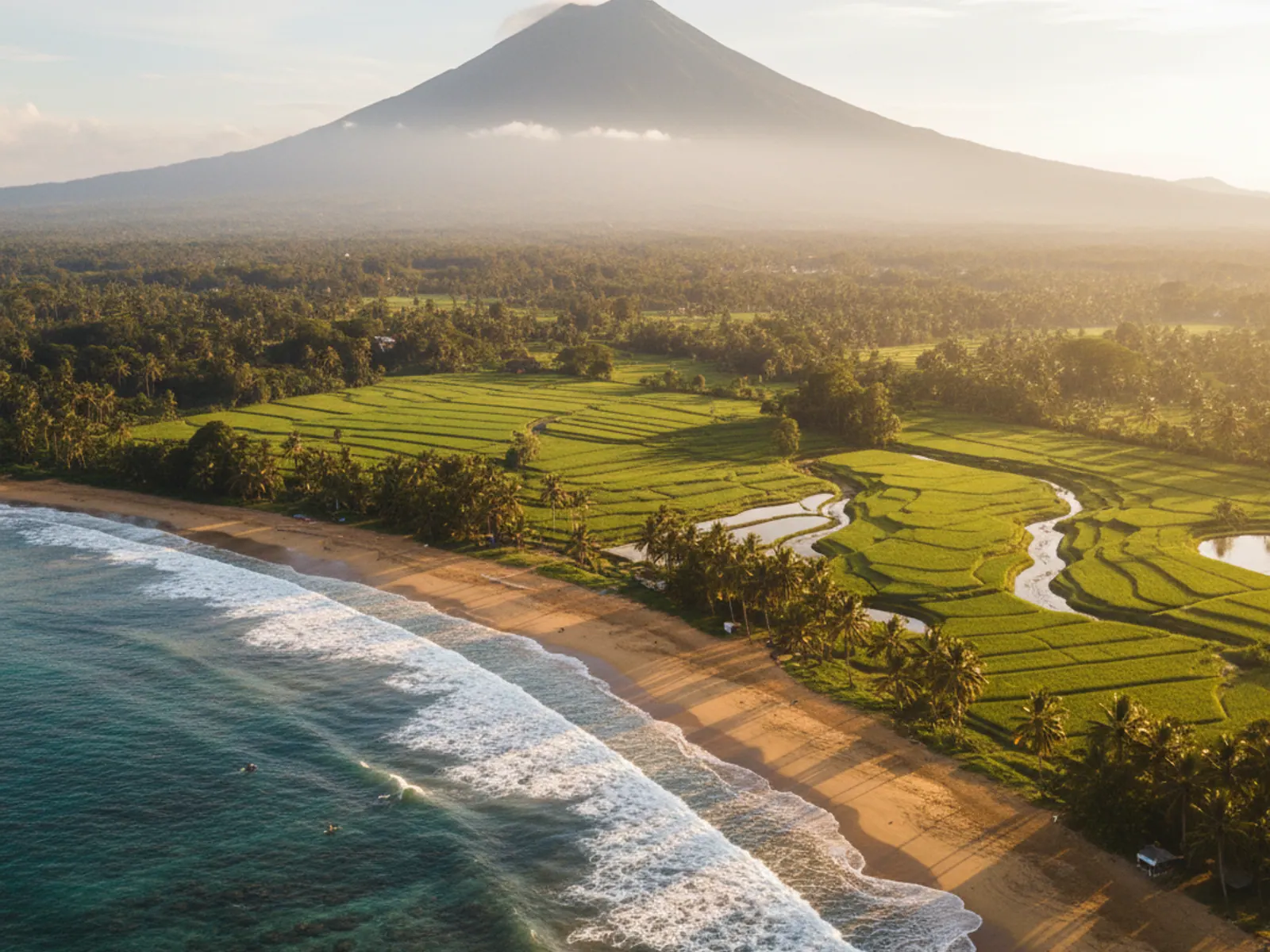
- Bali sits on the Pacific Ring of Fire. Mt Agung (active volcano in east Bali) has eruption alerts periodically — check PVMBG (the Indonesian volcanology agency) for current status. Minor earthquakes are occasional but rarely cause damage in tourist areas. Tsunamis are a low-probability risk — if you feel a prolonged earthquake near the coast, move inland immediately.