Canyoning in Bali — what it involves
Canyoning (also called canyoneering) is the sport of navigating river canyons on foot — abseiling down waterfalls on ropes, swimming through narrow gorges, cliff-jumping into natural pools and scrambling across rocks. Bali's highland rivers in north and central Bali have created dramatic canyon systems over volcanic terrain, and the activity has grown significantly since around 2018.
The most accessible canyons are in the Munduk and Sambangan areas of north Bali — about 2.5 hours from Ubud or 3 hours from Canggu. Several canyons have been developed for guided tours with rope anchors, safety equipment and trained guides. The experience is technical but achievable for anyone with reasonable fitness who is comfortable in water.
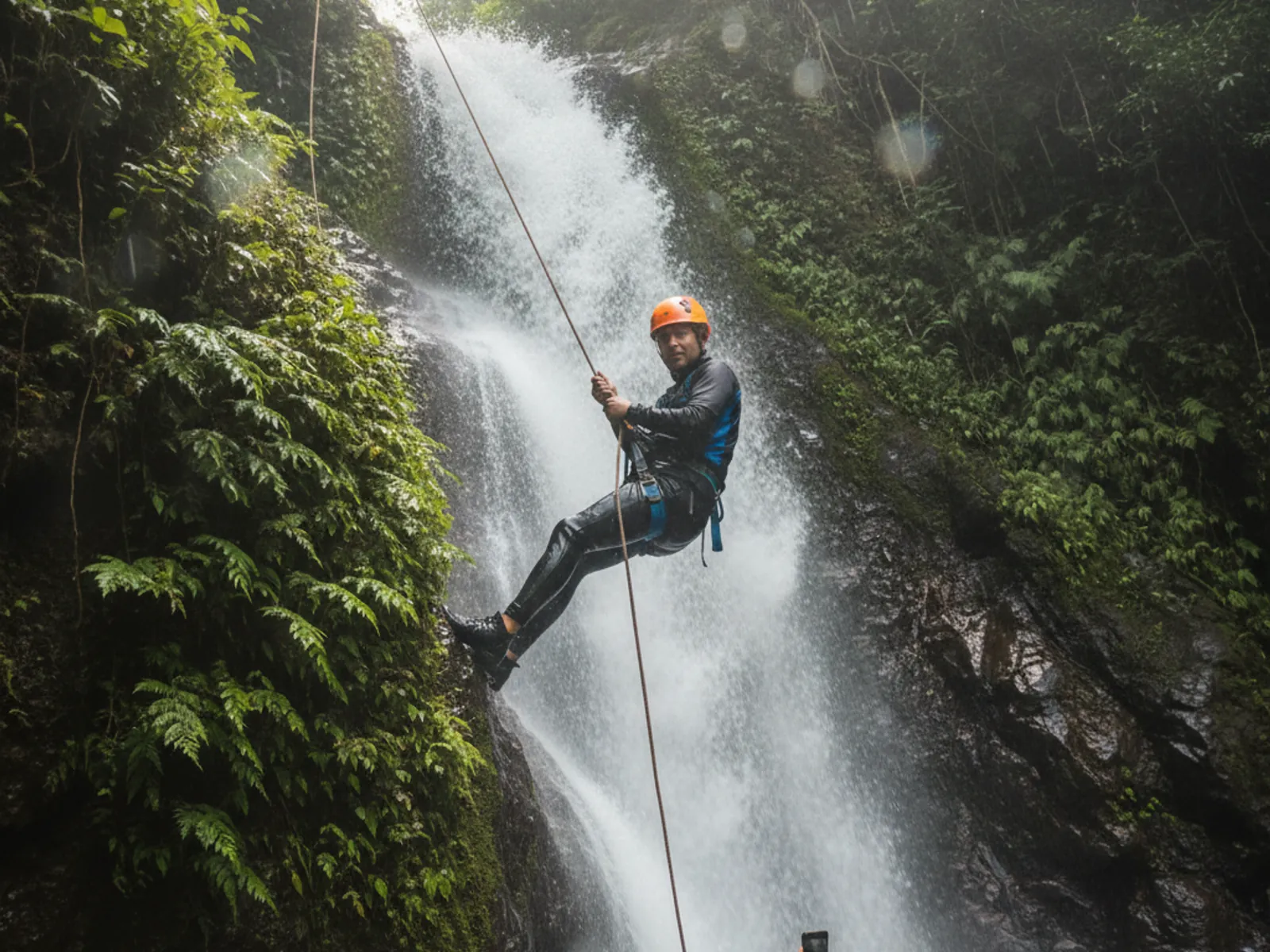
A typical canyoning day trip lasts 4–6 hours including briefing, the canyon descent and lunch. You will get completely wet and will abseil on rope at least twice — the most dramatic being a 15–25 metre drop beside a flowing waterfall. Cliff jumps range from 3 metres (mandatory for route safety) to 10+ metres (optional for the adventurous).
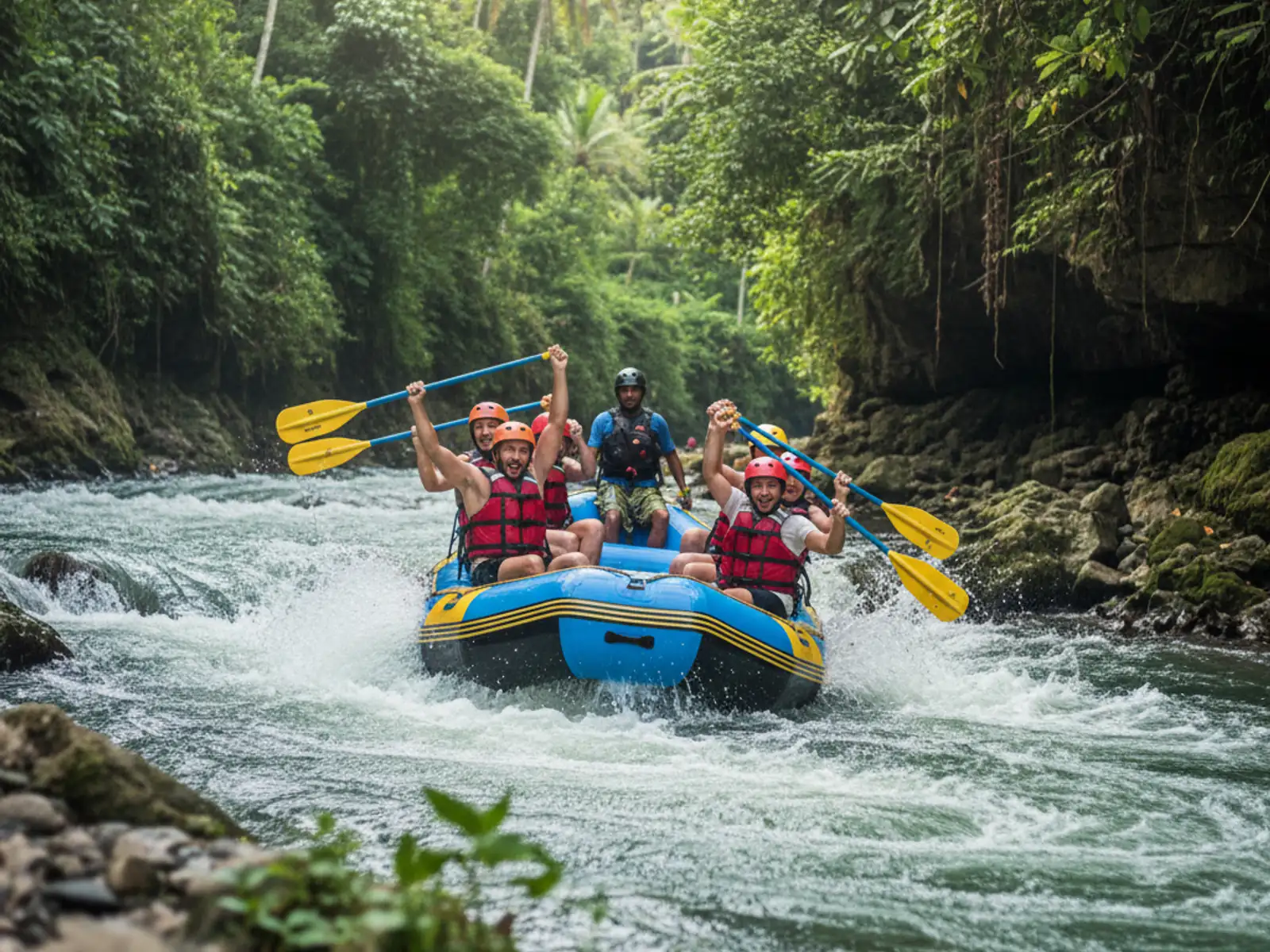
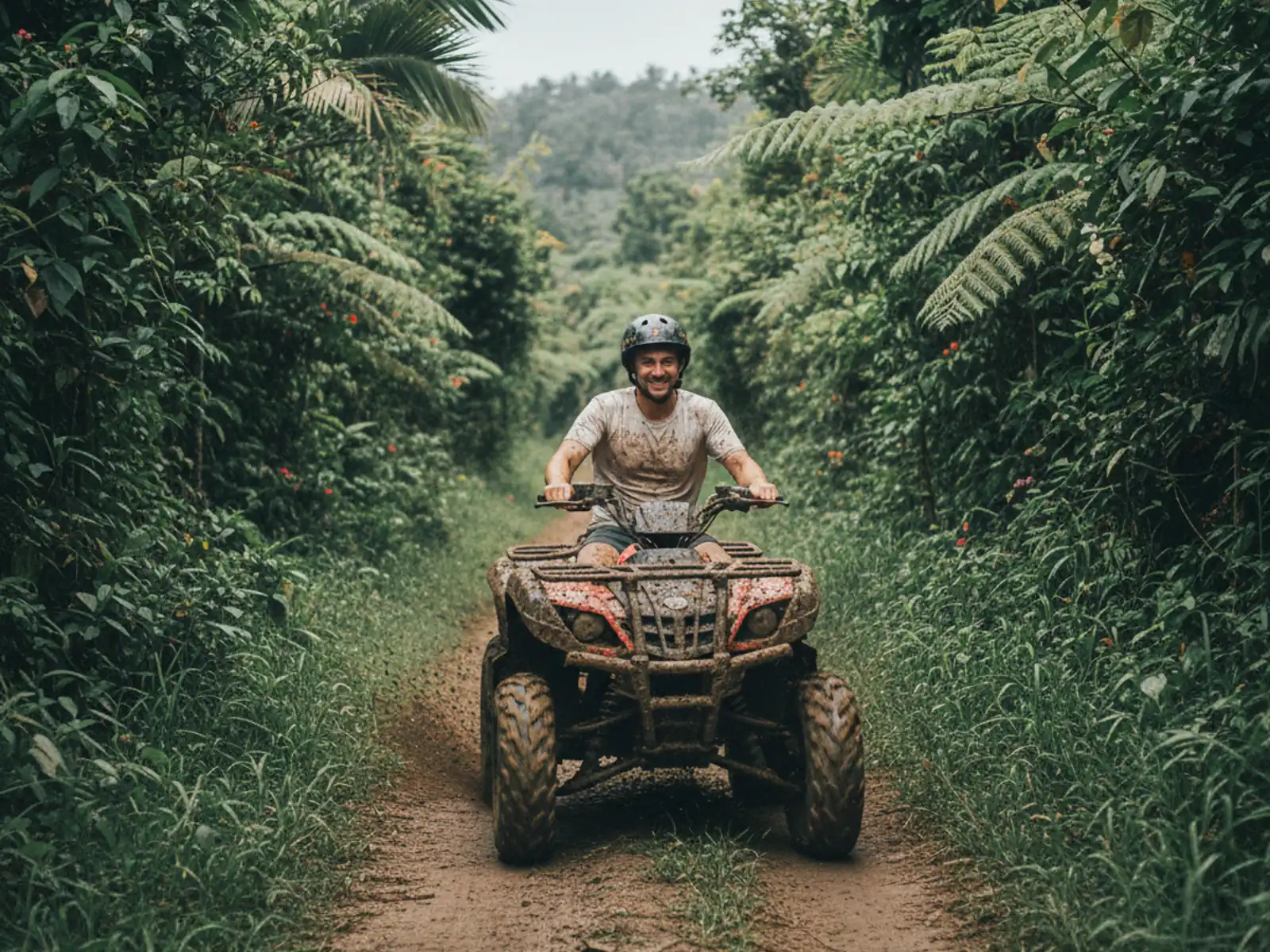
The activity is significantly more demanding than white water rafting or ATVs. Good physical condition is important — you need to scramble, jump, swim in current and maintain grip on wet rock with a wetsuit and harness. A guide-to-participant ratio of 1:4 or better is the safety standard.
Best canyoning areas
Sambangan Canyon (Singaraja, north Bali) — most developed
The Sambangan canyon system near Singaraja is the most accessible and commercially developed canyoning destination in Bali. Multiple canyon routes of varying difficulty operate from the Sambangan village, ranging from a half-day introductory descent to a full-day technical route. The routes include 3–6 rope abseils, multiple cliff jumps and swimming sections through carved volcanic rock.
Munduk Waterfalls — natural approach
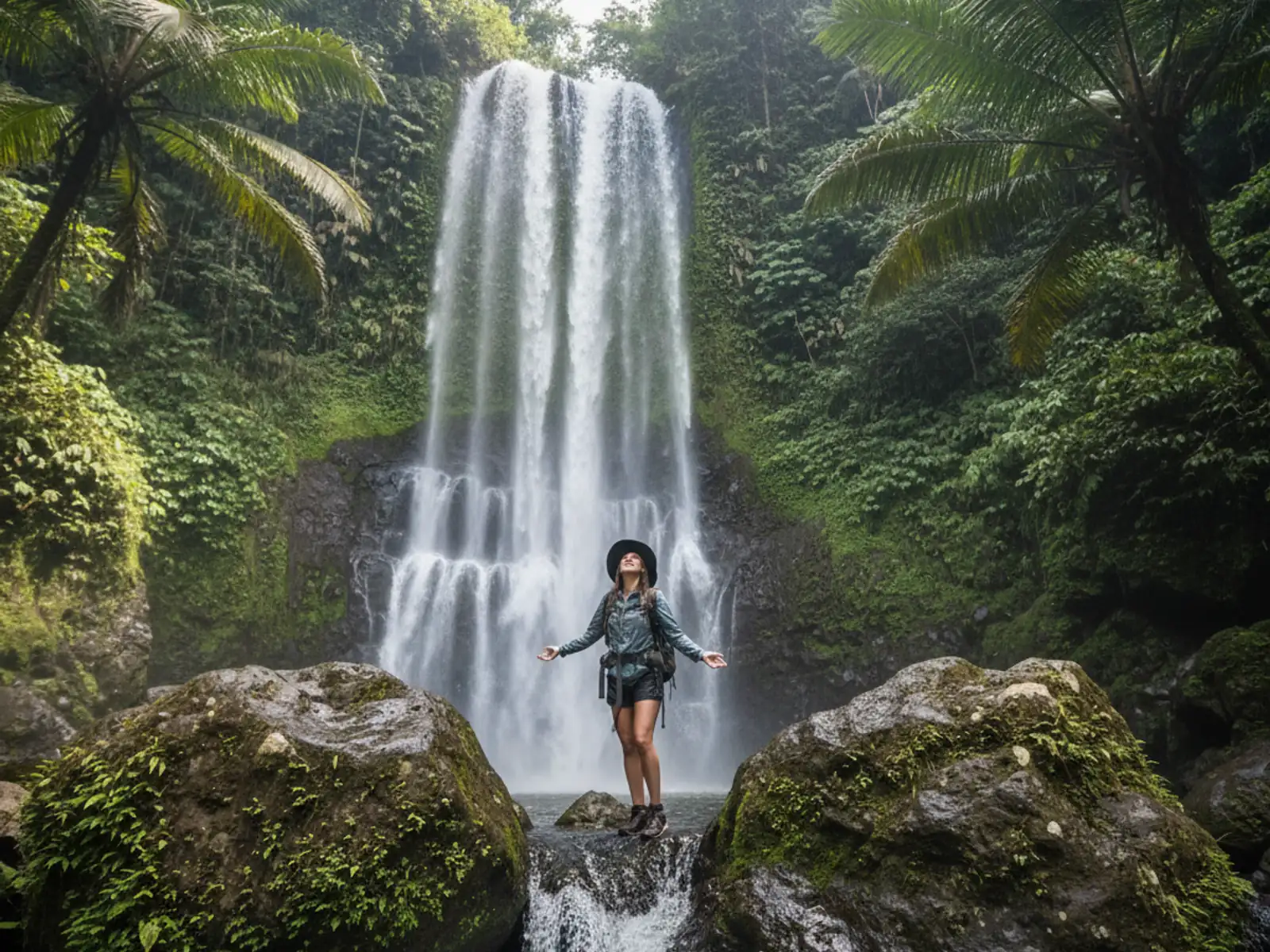
The waterfalls at Munduk Moding Plantation and surrounding forest have been adapted for canyoning routes that include abseils down both Munduk Waterfall and Golden Valley Waterfall. The setting is more remote and less commercial than Sambangan, set in misty mountain rainforest at 800 metres elevation.
Gitgit Canyon (Buleleng) — intermediate route
The Gitgit twin waterfall area has a canyoning route that includes two significant rope descents and a series of natural pools at the base. The canyon walls are narrower than Sambangan and the water flow is stronger — recommended only in the dry season when water levels are predictable.
Difficulty levels
Short abseils (5–10m), small cliff jumps (2–4m), mostly walking with water crossings. Suitable for beginners with basic swimming ability.
Abseils to 20m, cliff jumps to 8m, swimming in current, some technical hand placements on rock. Requires fitness and comfort in water.
Full-day technical routes with abseils 25m+, mandatory swims through narrow gorges, high cliff jumps. Prior canyoning experience recommended.
Pricing
| Package | IDR | USD equiv. | Notes |
|---|---|---|---|
| Half-day intro canyon | Rp 800,000 – 1,100,000 | $50 – $69 | Sambangan, 2–3 abseils |
| Full-day canyon trip | Rp 1,200,000 – 1,800,000 | $75 – $113 | Lunch, 4–6 abseils included |
| Private group (up to 4 pax) | Rp 4,000,000 – 6,500,000 | $250 – $406 | Exclusive guide, full day |
| Canyoning + waterfall hike combo | Rp 1,000,000 – 1,500,000 | $63 – $94 | Canyon + nearby waterfall trail |
What is included
- ✓Wetsuit, harness, helmet and descender device (all provided)
- ✓Certified guides with rope and rescue training
- ✓All ropes pre-rigged at the abseil stations
- ✓Safety briefing and technique instruction before entry
- ✓First aid kit and emergency communication device
- ✓Lunch or packed meal on full-day trips
- ✓Photos or video footage from guides (select operators)
What to bring
- →Swimsuit or quick-dry shorts (worn under the wetsuit)
- →Secure water-shoe or old trainers — absolutely no flip-flops
- →Waterproof dry bag for valuables (operators usually provide)
- →High-energy snack (full-day trips are demanding)
- →Complete change of clothes for the drive back
- →Small towel
Best season
The dry season (May–October) is strongly preferred for canyoning in Bali. Lower water levels make abseils safer, reduce current strength in swim sections, and allow guides to confidently assess all route hazards. In the wet season (November–April), most canyon operators suspend or limit operations after heavy rainfall because water volume increases dramatically and the risk profile changes significantly. Many operators close the technical routes entirely from January to March.
Safety considerations
Flash floods: The primary danger in canyoning anywhere in the world. Operators must check upstream rainfall before entry. Never canyon independently without extensive local knowledge and weather monitoring. If your guide says conditions are not safe, do not push to continue.
Rope inspection: Ask your guide to show you the rope and harness check. Legitimate operators inspect all equipment before each session and retire ropes on a scheduled basis.
Swimming ability: You must be a competent swimmer. Some gorge sections require treading water for 20–40 metres in a current while wearing a wetsuit. This is not as difficult as it sounds in a wetsuit, but non-swimmers should not attempt canyoning.
Heights: If you have severe acrophobia, canyoning will be distressing rather than enjoyable. Discuss honestly with your guide before committing.
Frequently asked questions
Do I need prior rock climbing or abseiling experience?
No. The abseiling technique for canyoning is simpler than for cliff climbing and is taught at the start of every tour. Most people rappel their first drop confidently within 10 minutes of instruction.
How far is Sambangan from Ubud?
Approximately 2.5–3 hours by car. Most canyoning operators offer early morning pick-up from Ubud or Canggu for a full-day trip that returns by 5–6pm.
Is canyoning suitable for non-swimmers?
No. All canyoning routes involve compulsory water sections where swimming is necessary. Non-swimmers should choose white water rafting or ATV rides instead.
What happens if I am afraid of the cliff jump?
Cliff jumps vary in height — some are mandatory for route navigation (typically 3–4m), others are optional. Your guide will always show you the jump first and tell you if skipping is possible. At smaller jumps, the guide may assist you with a safe entry technique.
Can pregnant women or people with back injuries do canyoning?
No. Canyoning is not recommended during pregnancy or with active back, knee or shoulder injuries. The physical demand and potential for impact make it unsuitable.
Are there age restrictions?
Most operators accept participants from 14–16 years minimum in good physical condition. There is no maximum age restriction but participants need to assess their own fitness honestly — the full-day routes are physically demanding.
Ready to book or have questions?
WhatsApp us directly — free trip planning help, real reply in about 10 minutes.
Message +62 882-4569-741