A 7-day Bali itinerary built around food requires covering three distinct geographic areas — south Bali's restaurant scene, the Ubud cooking and market world, and at least one day of authentic local eating away from tourist infrastructure. This itinerary moves between those zones with specific restaurants and meals at each stop rather than generic "visit a local market" instructions.
Day 1: Arrival — South Bali, First Bites
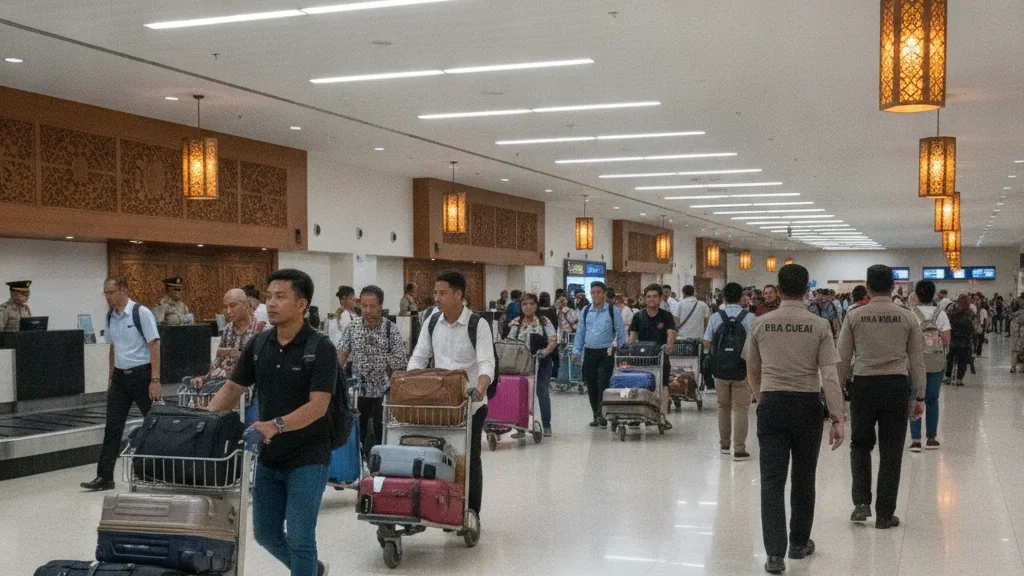
Land at Ngurah Rai, settle in Seminyak or Canggu. Avoid eating at the hotel immediately.
- First meal after landing: Warung Eny (Jl. Kunti, Seminyak) — a local warung that serves genuine Balinese food (nasi campur, sate, lawar) to both locals and tourists. IDR 25,000–45,000 per dish. Shows you immediately what the baseline looks like.
- Evening: Merah Putih (Jl. Petitenget, Seminyak) — modern Indonesian cuisine in one of Bali's best-designed dining rooms. The tasting menu (IDR 750,000–900,000/person) showcases regional Indonesian ingredients from across the archipelago. Book in advance.
Day 2: Canggu Food Day
- Breakfast: Sensorium or Hungry Bird for specialty coffee + acai bowl (IDR 45,000–80,000). The quality of the coffee sets the tone for the day.
- Mid-morning: Canggu morning market (Pasar Canggu, open until 9 am) — fresh produce, local snacks, es cincau (grass jelly drink with coconut milk, IDR 8,000). The market is not a tourist attraction; it's where the villas buy ingredients.
- Lunch: The Shady Shack for Bali's best plant-based meal (IDR 70,000–120,000), or Nalu Bowls for a lighter smoothie bowl.
- Late afternoon: Old Man's bar for a single cold Bintang (IDR 35,000) watching the surf. Eating at the adjacent warung strip (IDR 20,000–35,000 for a plate of food) if hungry.
- Dinner: Crate Cafe for anything from the all-day menu (IDR 80,000–150,000) or Betelnut Cafe.
Day 3: Ubud — Morning Market and Cooking Class
- 5:30 am: Ubud morning market (Pasar Ubud, Jl. Raya Ubud) before the tourist craft vendors take over. The food section is on the east end: fresh tempeh, banana flower, ceremonial rice packets (IDR 2,000–5,000 each), and prepared breakfast foods. This is the market in its actual form; by 9 am it's mostly tourist-oriented.
- 8 am: Breakfast at Locavore Next Door — the accessible sibling of Bali's best restaurant. Excellent coffee, creative plates, IDR 80,000–150,000. No reservation needed.
- 10 am–2 pm: Full-day cooking class. Paon Bali Cooking Class (IDR 350,000/person) or Bumbu Bali Cooking School (IDR 450,000). Both begin with a market tour to buy ingredients, then 3–4 hours of cooking 4–6 dishes. You eat what you cook for lunch. This is genuinely educational — you learn the spice paste (base) construction that underlies all Balinese cooking.
- Dinner: Locavore (book 2–3 weeks ahead) if you can get a reservation. Otherwise, Room 4 Dessert (Jl. Sri Wedari) — a dessert-focused restaurant that serves a savoury menu too. Innovative, IDR 200,000–400,000/person for the experience.
Day 4: Gianyar Night Market and East Ubud Villages
- Morning: Drive to Gianyar (30 minutes from Ubud). The Gianyar Night Market (Pasar Malam Gianyar) actually operates in the morning too — look for babi guling (suckling pig) stalls from 8 am. The most famous babi guling in Bali is at Ibu Oka (Ubud, IDR 65,000–80,000 for a plate), but the Gianyar market version is arguably more authentic and cheaper.
- Afternoon: Visit a coffee farm at Kintamani (1.5 hours from Ubud). Decline the civet coffee tasting; ask for a pour-over of their arabica single origin instead (IDR 40,000–60,000). The agricultural landscape on the caldera rim is worth the drive alone.
- Evening: Return to Ubud. Dinner at Sari Organik (Jl. Subak Sok Wayah) — a rice field restaurant that serves organic Indonesian and international food. IDR 60,000–120,000. The walk through the rice fields to reach it is part of the experience.
Day 5: Ubud Deep — Fermented, Smoked, Raw
- Morning: Seniman Coffee Studio for a cupping session — they run informal cuppings on request with 2+ people, showcasing 3–4 single origins from different Indonesian regions. IDR 100,000–150,000/person.
- Lunch: Moksa Plant-Based (Jl. Pangkung Sari) — the most ambitious vegan restaurant in Bali. Farm-to-table from their on-site permaculture garden. Tasting menu from IDR 180,000/person.
- Afternoon: Bali Buda organic shop (multiple Ubud locations) for provisions: local honey, tempeh, Kintamani coffee beans, and rice varieties. Good place to buy food to take home.
- Dinner: Barbacoa Ubud (Jl. Raya Lungsiakan) — smoked meats, wood-fired cooking. IDR 120,000–250,000 for mains. A deliberately different register to the organic-wellness Ubud scene.
Day 6: Jimbaran Seafood and Seminyak Fine Dining
- Morning: Jimbaran fish market (Kedonganan Fish Market, open 5–9 am). This is where the restaurants buy their fish. You can walk through and watch the morning catch sorted and auctioned. No obligation to buy; the activity is in watching.
- Lunch: Fish and chips or a grilled fish plate at one of the market-adjacent small restaurants — the freshest fish you'll eat in Bali. IDR 40,000–80,000.
- Evening: Sunset at Jimbaran Bay. Choose a restaurant at the north end of the bay (away from the airport runway noise). Budget IDR 200,000–400,000/person for grilled seafood by weight.
- Late evening: Sarong (Jl. Petitenget, Seminyak) for a final fine dining experience — cocktail bar first, then dinner. IDR 200,000–450,000 for mains.
Day 7: Morning Market Breakfast and Departure
- If flying in the afternoon: Pasar Badung (Denpasar's main market, Jl. Sulawesi) for the last real local food experience. The market breakfast stalls on the east building's ground floor serve soto ayam (chicken broth soup with rice), nasi jinggo (small rice packets with side dishes), and kue (cakes) for IDR 5,000–20,000 per item.
- Final coffee: Revolver Espresso at the airport's departure terminal has a kiosk (IDR 45,000–60,000). Better than most airport coffee globally.
Tip
The single most food-concentrated day possible in Bali is the cooking class day (Day 3). A good cooking class compresses the essential architecture of Balinese cuisine into 4 hours — the spice pastes, the coconut preparation, the tempering technique — and you can reproduce it at home. The market walk beforehand is where you understand the raw material. Budget the cooking class into your itinerary even if you cut something else.
For the full vegan Bali restaurant guide, see the vegan food guide. For coffee specifics, see the coffee culture guide. For the Ubud photography and timing of the morning market, the photography guide covers market shooting technique.
Ready to plan your Bali trip?
Get free, personal advice via WhatsApp. We reply in about 10 minutes.
Message us on WhatsApp