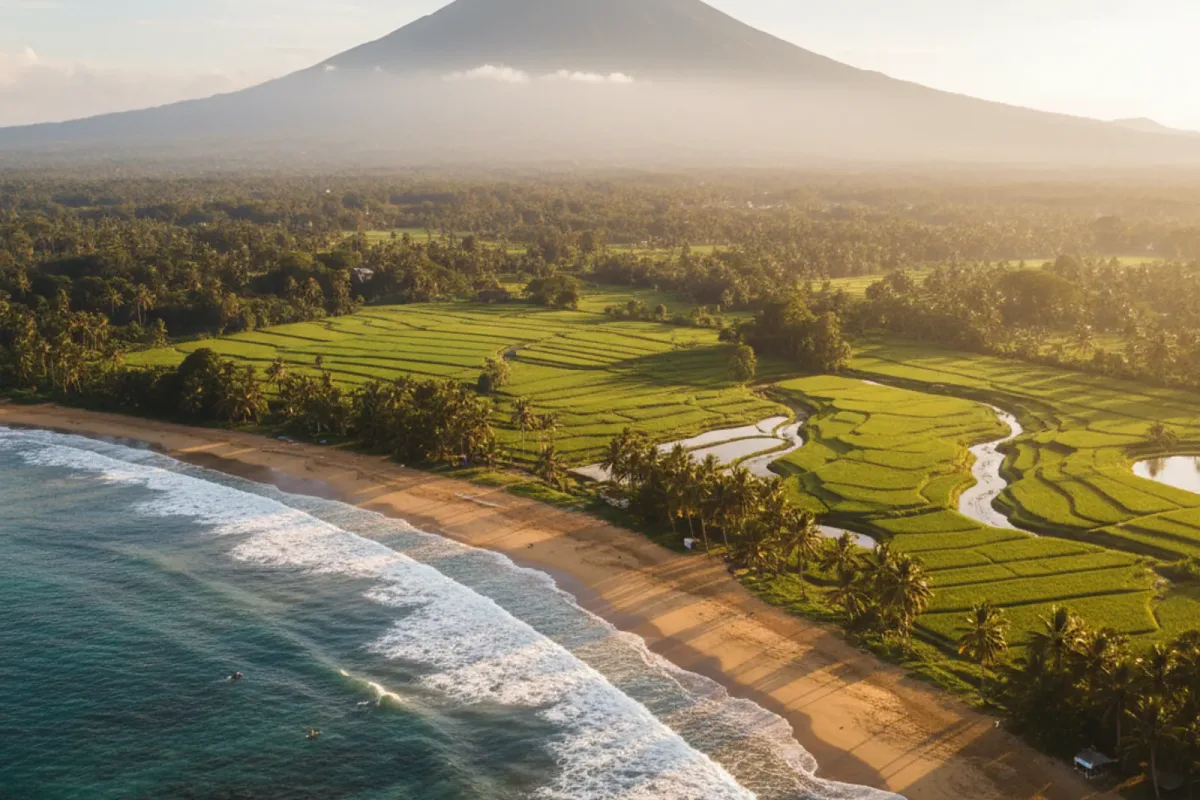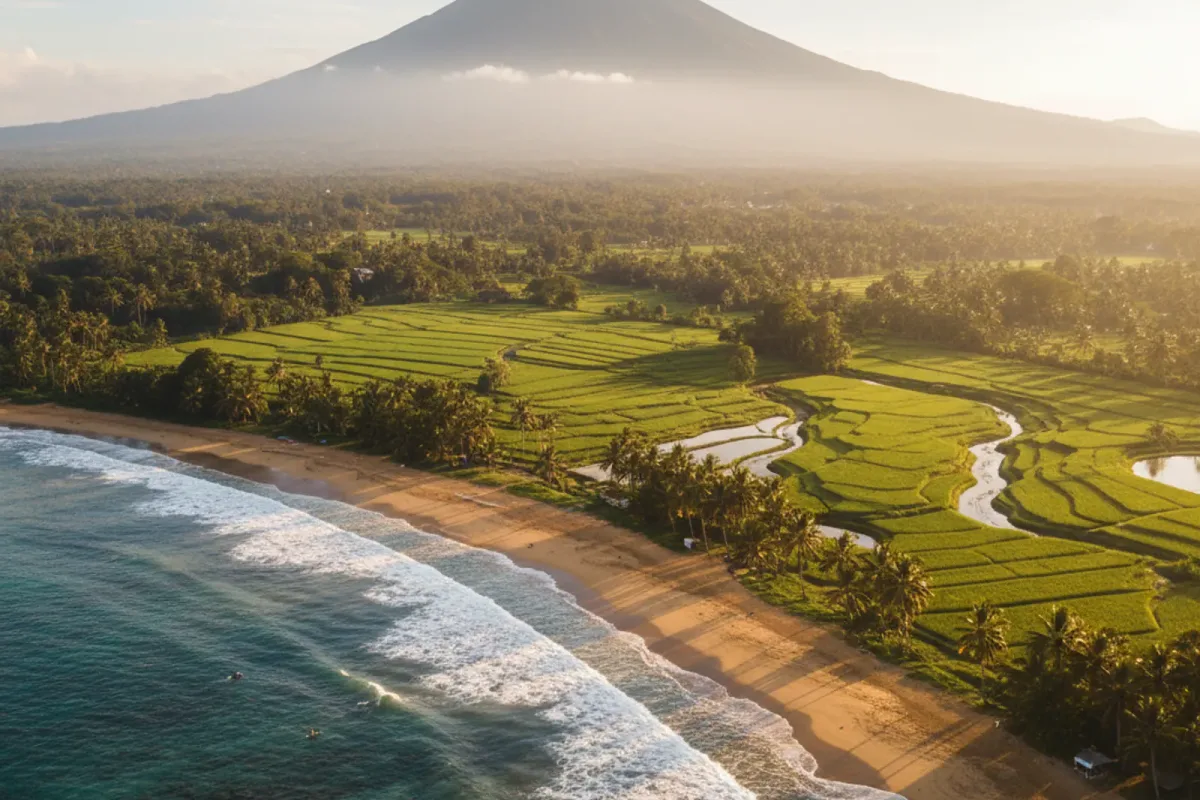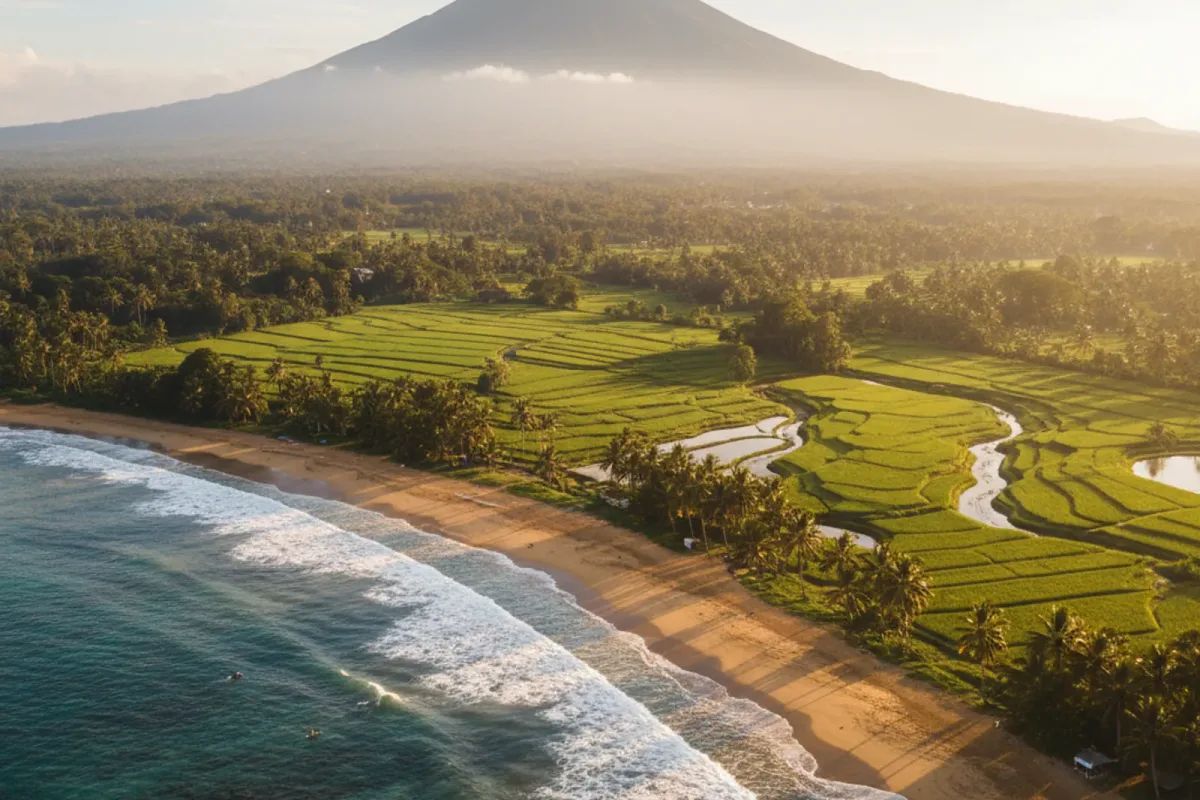
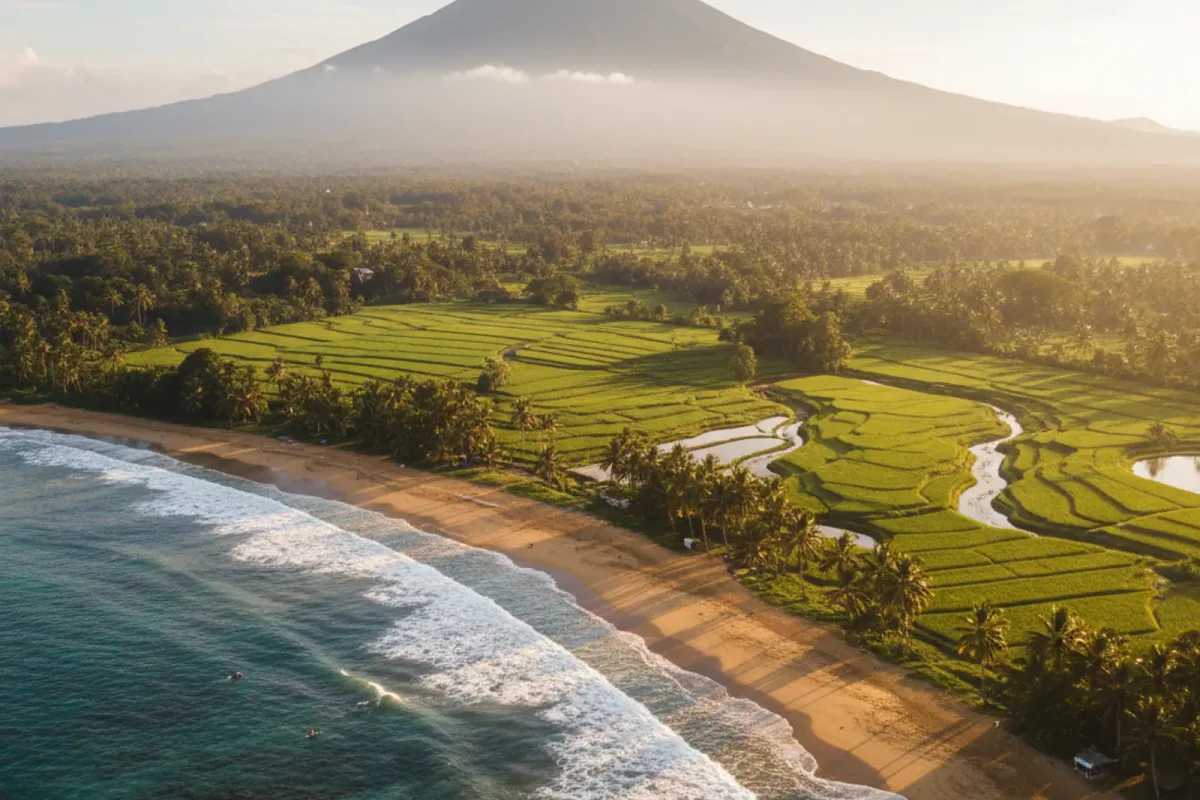
Bali is one of the most photographed destinations in the world, which creates two problems: most locations have a dominant "standard" shot that's been done a million times, and crowds make the interesting alternatives difficult to access. This guide is about practical photography technique, ethical considerations, and how to find images that are yours rather than replicas of what already exists.
Light Windows in Bali
Bali is 8° south of the equator. The sun rises fast and harsh — the soft golden hour window is narrow:
- Sunrise golden hour: approximately 30 minutes before and 20 minutes after actual sunrise (varies by season; roughly 6–6:30 am in July, 5:30–6:10 am in December)
- Blue hour (pre-dawn): 30–45 minutes before sunrise. Soft, even light, no harsh shadows. Excellent for temple interiors and reflections.
- Midday: harsh overhead sun. Bad for portraits (unflattering shadows under eyes), bad for landscape (bleached sky), but acceptable for market photography (the chaos of movement matters more than light quality) and underwater (best light penetration).
- Afternoon golden hour: 1.5–2 hours before sunset (roughly 4–5:30 pm in dry season). The most reliable window for beach and sunset photography.
- Blue hour (post-sunset): 20–30 minutes after sunset. Balanced exposure between sky and ground. Best for long exposures of moving water or crowds.
Locations by Genre
Rice Terraces
The best rice terrace shots require getting off the main platform. At Tegalalang, walk down into the terrace itself (pay the IDR 15,000–30,000 path fee, not the swing fee) and shoot upward from the lower levels toward the palms at the ridge in early morning. At Jatiluwih, the bend in the road 1.2 km past the entry gate gives a sweeping foreground-to-distance composition that the car park lookout cannot. Time: 8–10 am for both, when the terraces are in full sun without harsh overhead angles.
Temples
Wide-angle (16–24mm on full frame) inside temple courtyards. The challenge is the sarong-wearing tourists who appear in the background — use a 6 am arrival to have the courtyard empty or with only a few worshippers. At Tirta Empul, a 50mm or 85mm lens compresses the bathing pool scene and isolates bathers. Shoot from the bank, not wading in. At Uluwatu, a telephoto (200mm+) from the cliff path allows tight isolation of the temple against the ocean background.
Markets
Traditional markets (Pasar Badung in Denpasar, Pasar Ubud, Pasar Kreneng) are best photographed between 6 am and 8 am when vendors are setting up. A 35mm or 50mm lens at f/1.8 in available light. Ask before photographing individuals — most vendors are happy if you make eye contact first. Do not photograph people praying or making offerings without permission.
Underwater
Best visibility: October–February in Amed and Tulamben (USAT Liberty wreck). For snorkelling photography, midday ironically gives the best light penetration. An underwater housing for your phone (IDR 150,000–300,000 at dive shops) works for reef photography at depths under 5 metres. For serious underwater work, Amed has good dive rental shops with wide-angle ports.
Drone Photography
Indonesia requires drone operators to register with the Directorate General of Civil Aviation (DGCA) and obtain a drone operator certificate for commercial use. For personal/non-commercial photography, registration is also required for drones over 250g. Practically: fly in open areas away from airports, away from crowd areas, and below 120 metres. Bali's two main airports (Ngurah Rai and the new North Bali airport under construction) have restricted airspace — check the AirMap app before flying. The police and Pecalang have confiscated drones from tourists flying over ceremony areas without permission. Flying over Hindu ceremonies is strongly culturally inappropriate and occasionally leads to confrontation.
Photographing Ceremonies Respectfully
Bali's ceremonies are not performances — they are genuine religious events. The rules for photography:
- Ask permission from the pemangku (priest) or an elder if you want to photograph the ceremony itself
- Stand to the side, never in front of or between worshippers and the shrine
- Turn off any sound on your camera (beeps, shutter sounds)
- Do not use flash in any circumstance during a ceremony
- If people gesture for you to lower your camera, do so immediately
- The procession street shots — long-lens from the roadside — are generally acceptable for tourist photography; close-up portraits of praying individuals are not
Warning
Never photograph the face of an Ogoh-Ogoh effigy with a flash during the Nyepi procession. Flashing directly at the effigy or the dancers is considered insulting. The fire effects around the effigy are also a genuine burn hazard if you're at close range with a flash unit mounted on a camera — the flash can startle the carriers.
Gear Recommendations
- Phone camera: completely adequate for 90% of Bali photography in good light. iPhone 15 Pro or Pixel 8 Pro outperform entry-level DSLRs in daylight conditions at most locations.
- Fast lens (f/1.4–f/2): essential for temple interiors and low-light market photography without flash
- Polarising filter: reduces glare on water surfaces, deepens blue skies, cuts through wet-season haze
- ND filter (6-stop or 10-stop): for long-exposure waterfall and ocean blur shots in daytime
- Moisture protection: a dry bag or waterproof case is essential in wet season and near waterfalls
- Extra batteries: heat accelerates battery drain; bring two batteries for any full-day shoot
Tip
The shot that most people miss in Bali is the back street of a village at 6:30 am during a ceremony preparation day. Families setting up penjor, women carrying offerings on their heads, smoke from incense at every house entrance — none of this appears in standard Bali travel photography because it requires being in a residential area (not a tourist landmark) at dawn. Hire a driver to take you to a village 15–20 km from your hotel on Galungan morning. That's the photograph.
For GPS locations of all the major photography spots, see the Instagram spots guide. For the best sunrise locations, the sunrise guide covers timing and access for each.
Ready to plan your Bali trip?
Get free, personal advice via WhatsApp. We reply in about 10 minutes.
Message us on WhatsApp