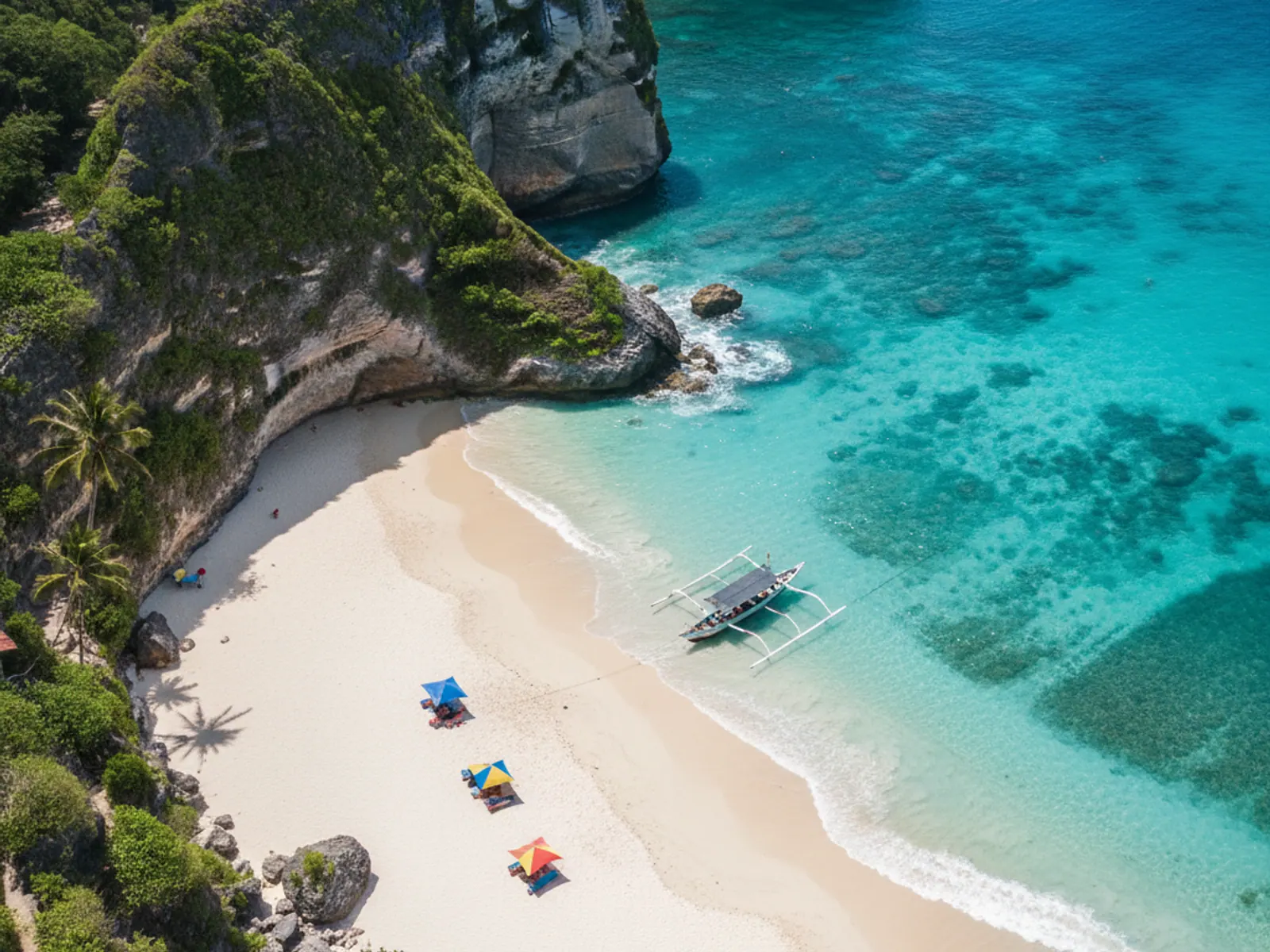
Bali sits 8 degrees south of the equator, which means temperatures are warm year-round (27–33°C / 81–91°F in the coastal areas). What changes by season is rainfall, humidity, ocean swell, and crowd levels. The dry season runs roughly May to October — reliable sunshine, lower humidity, ideal for almost all activities. The wet season (November to April) brings afternoon rain showers (usually 1–3 hours), higher humidity, fewer tourists, better rice terrace scenery and lower prices. Understanding which season suits your plans matters more than the average temperature.
TL;DR
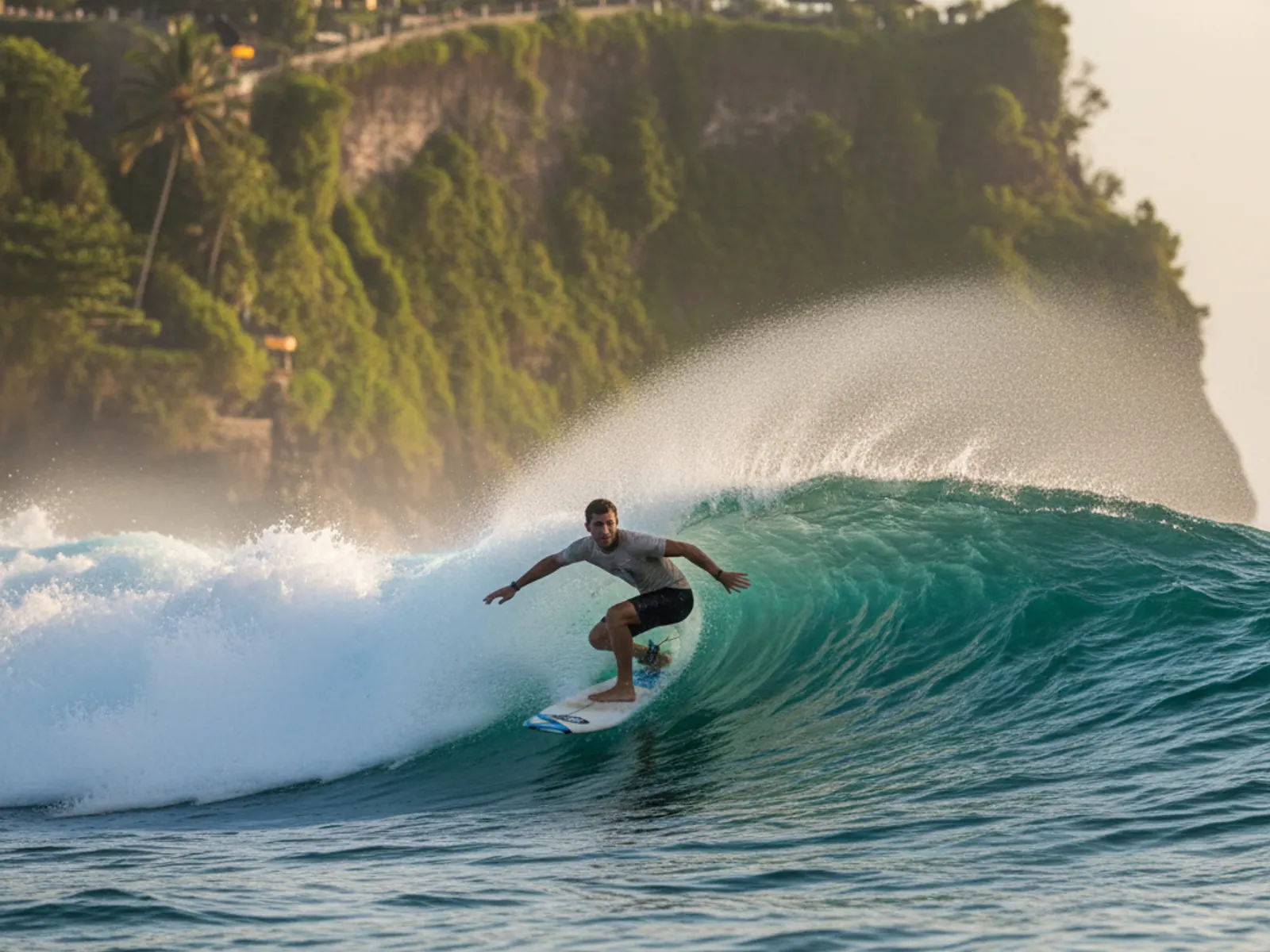
- Dry season (May–October): reliable sun, lower humidity, best surf on west coast (Canggu, Kuta, Uluwatu), peak tourist season.
- Wet season (Nov–April): afternoon rain (usually 1–3 hours), lush scenery, off-peak prices, east coast surf season begins.
- July and August are the busiest and most expensive months.
- December 24 – January 5 is nearly as busy as July–August.
- Shoulder seasons (May and October) offer dry weather with smaller crowds and moderate prices.
- Temperature is warm year-round. Bring a light layer for air-conditioned restaurants and hill areas (Ubud, Kintamani).
Month by Month Breakdown
| Month | Season | Avg Temp (coast) | Rain Days | Crowds |
|---|---|---|---|---|
| January | Wet | 29°C / 84°F | ~15 | Low (post-NYE dip) |
| February | Wet | 29°C / 84°F | ~14 | Low |
| March | Wet | 30°C / 86°F | ~12 | Low–Moderate |
| April | Shoulder | 31°C / 88°F | ~8 | Moderate |
| May | Dry | 30°C / 86°F | ~5 | Moderate (good value) |
| June | Dry | 29°C / 84°F | ~3 | Moderate–High |
| July | Dry | 28°C / 82°F | ~2 | Peak (book early) |
| August | Dry | 28°C / 82°F | ~2 | Peak (most expensive) |
| September | Dry | 29°C / 84°F | ~3 | Moderate (sweet spot) |
| October | Shoulder | 30°C / 86°F | ~6 | Moderate |
| November | Wet | 30°C / 86°F | ~10 | Low |
| December | Wet/Peak | 29°C / 84°F | ~13 | Peak (Dec 24–Jan 5) |
Rain days = days with measurable rainfall, typically afternoon/evening showers. Mornings are often clear even in wet season. Data is historical average for coastal Bali (Denpasar area).
Dry Season Details (May–October)
May: The wet season typically ends. Light showers still possible early May. Fewer crowds than July–August, good value accommodation. A solid choice for first-timers who want sun without the July crush.
June: Reliable dry weather begins. Trade winds bring slightly cooler and less humid air — one of the most comfortable months. Surf is building on the west coast. Crowds starting to rise.
July–August: Peak season. Hotels are 20–40% more expensive. Popular beaches (Kuta, Echo Beach, Seminyak) are crowded by noon. Ubud fills up. Book accommodation 2–3 months early for July–August, especially for decent villas. That said: the weather is ideal, the surf is excellent, and the energy is high.
September: Crowds drop significantly after the Northern Hemisphere summer holiday ends. Weather stays dry and excellent. One of the best months to visit — high-season weather, off-peak prices.
October: The shoulder month. First rains may arrive late October. Still largely dry, crowds continue reducing, prices soften further. Great for budget travellers who can handle the occasional shower.
Wet Season Details (November–April)
The wet season gets a bad reputation it does not fully deserve. Rain typically comes in concentrated afternoon or evening showers (1–3 hours) rather than all-day downpours. Mornings are usually clear. If you plan activities in the morning and move inside or to covered venues in the afternoon, the wet season rarely disrupts plans significantly.
November–December (early wet): Rain starts, crowds thin sharply after November school holidays. Excellent photography conditions — dramatic skies, lush greenery, less tourist presence at rice terraces and waterfalls. Prices drop 15–25%. December 24–January 5 is the exception — NYE in Bali brings a major crowd surge and prices return to peak.
January–February (peak wet): The most consistent rain. Waterfalls are at maximum power (impressive but sometimes inaccessible trails). Rice paddies are at maximum green. Surf switches to the east coast — Padang Bai, Amed and Nusa Penida get better swells. Cheapest prices of the year for accommodation.
March–April (transition): Rain lightens. April often sees only light showers. The best bargain window — increasingly dry but not yet peak-season priced.
Weather Differences Across Bali
Bali is not uniform climatically. Elevation and coast orientation create significant microclimate differences:
- South Bali coast (Kuta, Canggu, Seminyak, Jimbaran): Hottest and driest. The reference for the table above.
- Ubud (300–500m altitude): 2–3°C cooler than the coast. Higher humidity and more frequent afternoon rain even in dry season. Bring a light layer for evenings.
- Highland areas (Kintamani, Bedugul, Munduk at 900–1,400m): Significantly cooler (20–24°C), often misty and overcast. Even in dry season, mornings may be foggy. A proper jacket is required.
- East Bali (Amed, Candidasa, Padang Bai): Generally drier than West Bali. Receives better swell November–March from the east. Popular for diving year-round.
- North Bali (Lovina, Singaraja): Drier than South Bali even in wet season. Different micro-climate from the mountain rain shadow effect.
Weather for Specific Activities
| Activity | Best Months | Notes |
|---|---|---|
| West coast surf (Uluwatu, Canggu) | May–October | Offshore winds, consistent swell |
| East coast surf (Amed, Nusa Penida) | November–March | East swells arrive wet season |
| Rice terrace photography | November–February | Brightest green, golden light after rain |
| Diving / snorkelling | Year-round (Apr–Nov best) | Visibility best dry season; mola-mola Jul–Oct |
| Waterfalls (Sekumpul, Munduk) | Wet season power, dry season access | Peak flow Jan–Mar, trails easier May–Sep |
| Mt Agung / Batur trekking | May–September | Clear summit views. Avoid wet season fog |
| Beach clubs and nightlife | Year-round | Best buzz July–August |
| Budget travel | January–March | Lowest prices, fewest crowds |
6 Frequently Asked Questions
- Is Bali ever too hot?
- Coastal areas reach 33–34°C in the hottest months (March–April). With sea breeze it is manageable. Inland (Ubud) is cooler. If you are heat-sensitive, July–August is actually the most comfortable: dry, less humid, with trade winds keeping temperatures in the 28–30°C range.
- Can I swim in Bali during the wet season?
- Yes — sea temperatures are warm year-round (26–29°C). Swimming conditions at calm beaches (Sanur, Nusa Dua) are fine. Surf beaches may have slightly different wave patterns. Rip risk does not significantly change by season — always check flags.
- Does it rain every day in wet season?
- Most days see at least a brief shower during peak wet season (January–February). But "rain day" often means 1–2 hours in the afternoon, not an all-day monsoon. Morning activities are almost always possible.
- What should I pack for rain?
- A lightweight waterproof jacket or poncho. Waterproof sandals or quick-dry shoes. A dry bag for your phone and camera. Umbrellas are cheap everywhere in Bali (Rp 30,000–50,000 at any Indomaret) — buying on arrival is easier than packing one.
- When is Nyepi (Bali's Day of Silence)?
- Nyepi falls on a different Gregorian date each year (based on the Balinese Saka calendar), typically in March. On Nyepi, the entire island shuts down for 24 hours — no leaving accommodation, no vehicles, no lights at night. The airport closes. It is extraordinary to experience but requires planning: check the date before booking.
- How does climate change affect Bali weather patterns?
- Anecdotally, long-term Bali residents report the dry season starting slightly later and the wet season producing more intense (if shorter) rain events. The broad patterns described in this guide remain accurate, but increasing variability means weather apps 7–10 days out are less reliable than they used to be. Check a 3-day forecast rather than a 10-day one closer to your activity dates.