Coffee and spice plantation tours — what they are
A Balinese coffee and spice plantation tour is typically a 1–2 hour visit to a working highland plantation where you walk through rows of coffee, cacao, vanilla, cinnamon, cardamom, lemongrass and other spice plants, guided by a local who explains how each plant grows, how the beans are processed and what the traditional uses are in Balinese cooking and medicine.
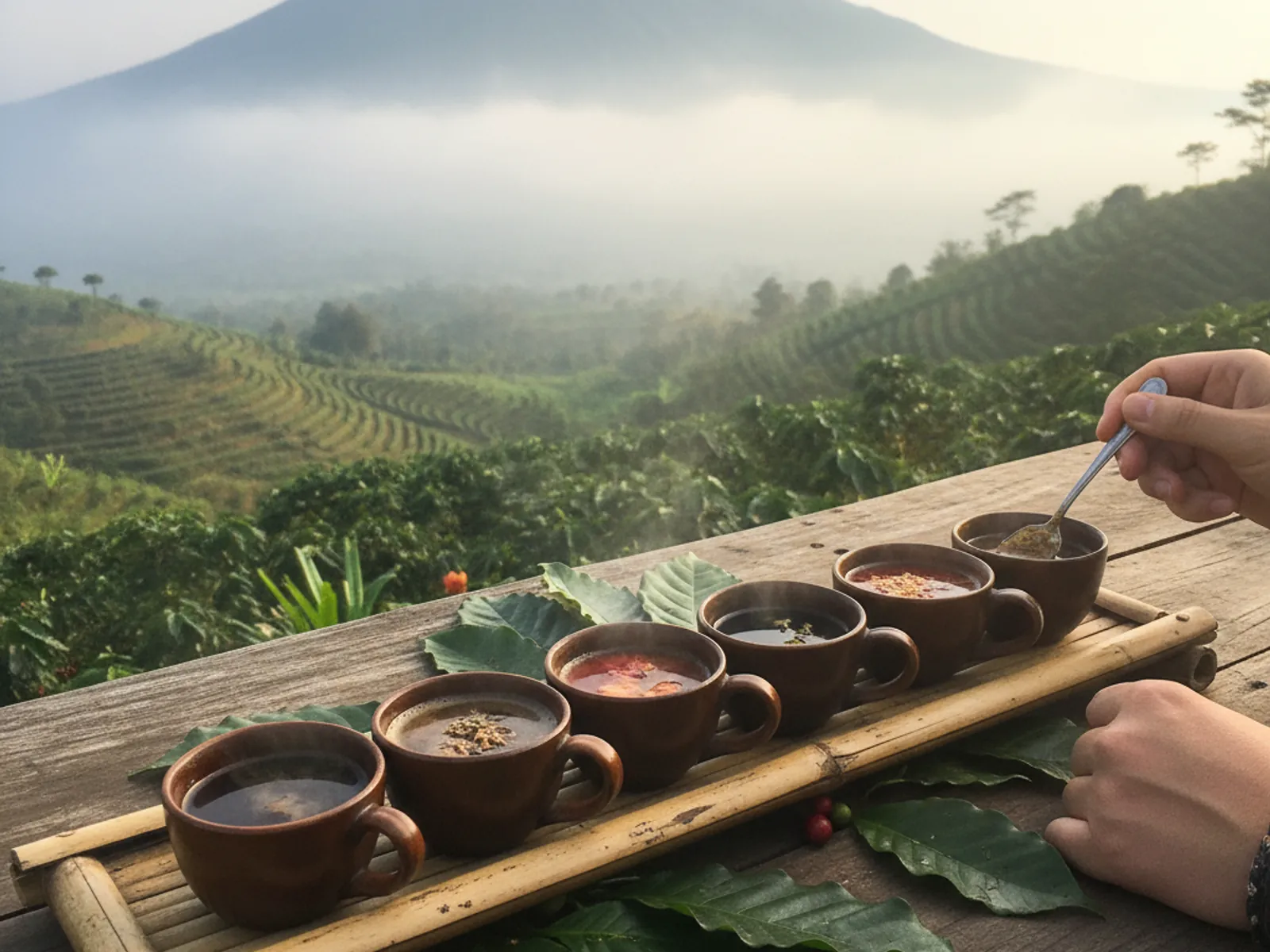
The tour ends at a tasting pavilion where you receive a complimentary tasting of 8–12 drinks: lemongrass tea, ginger coffee, turmeric latte, vanilla coffee, cinnamon coffee, rosella tea, chocolate drink and more. The tasting is genuinely free. Only kopi luwak (civet coffee) is charged separately — at Rp 50,000–150,000 per cup.
The entire experience is low-pressure and educational — there is no obligation to purchase anything beyond your entrance and the optional kopi luwak. Many visitors spend Rp 0 on the tasting and simply buy a bag of coffee beans or spice at the end. The experience is suitable for all ages and requires very little physical effort — most plantation walking is on flat or gently sloped paths between planted rows.
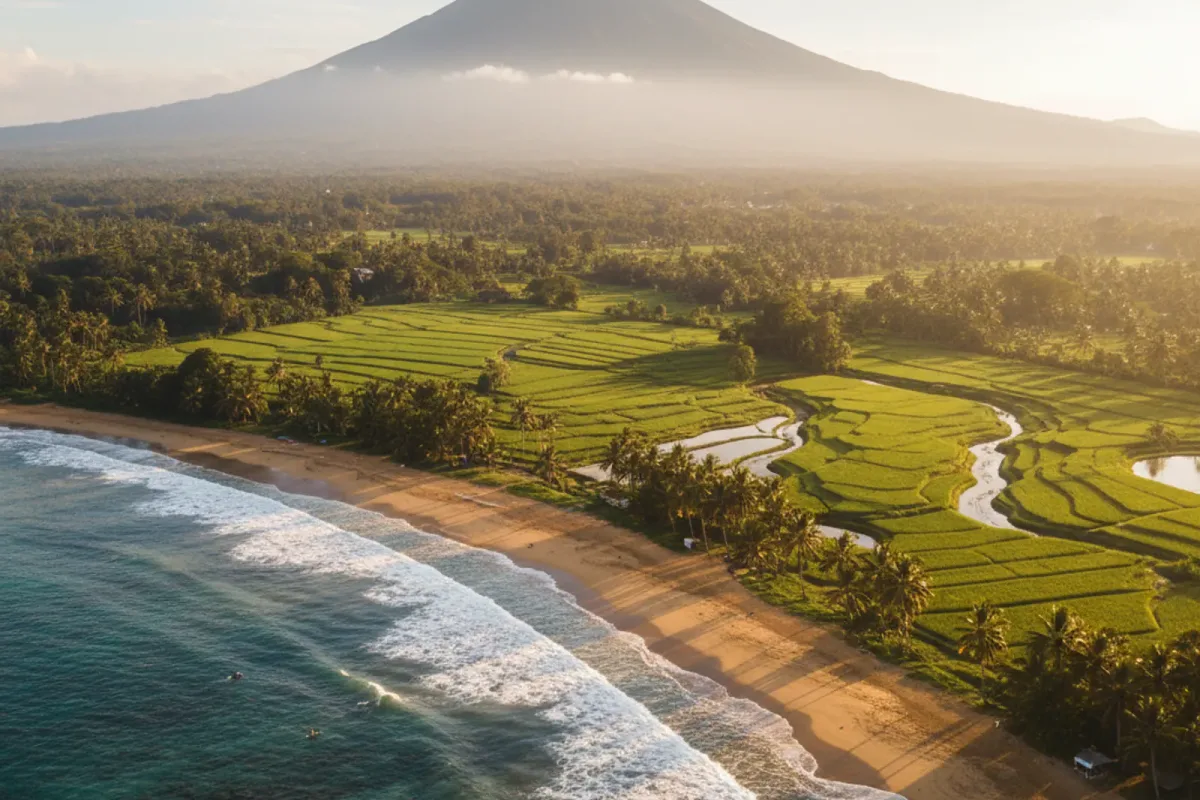
Plantations are concentrated in the Tegallalang and Kintamani highlands near Ubud (900–1,200m) and in the Pupuan region of west Bali (Tabanan). The highland growing conditions — volcanic soil, consistent rainfall and cool temperatures — produce genuinely high-quality arabica coffee, often compared favourably to Ethiopian or Colombian specialty beans.
Best plantation locations
Tegallalang area (Ubud) — most accessible
The cluster of plantations along the Tegallalang road and Kintamani route north of Ubud is the most visited and most tourist-oriented. Easy access from Ubud (15–25 minutes), professional tasting setups and most staff speak good English. Combined naturally with the Tegallalang Rice Terraces. Multiple plantations to compare — the quality of the free tasting is consistent across most.
Kintamani highlands — combined with Batur view
Several plantations operate on the Kintamani plateau with views of the Batur caldera from the tasting pavilion. These are typically stop-overs on the Kintamani–Ubud cycling tour route and have a more dramatic highland setting than the Tegallalang alternatives.
Pupuan (Tabanan, west Bali) — most authentic
The Pupuan area in west Bali produces some of the island's best robusta coffee in a much less touristic setting. Working farms with minimal tourist infrastructure, genuine processing facilities visible (wet hulling, drying beds) and direct purchase from the farm. A 2.5-hour drive from Canggu but worth a dedicated visit for serious coffee enthusiasts.
Sidemen valley — spice focus
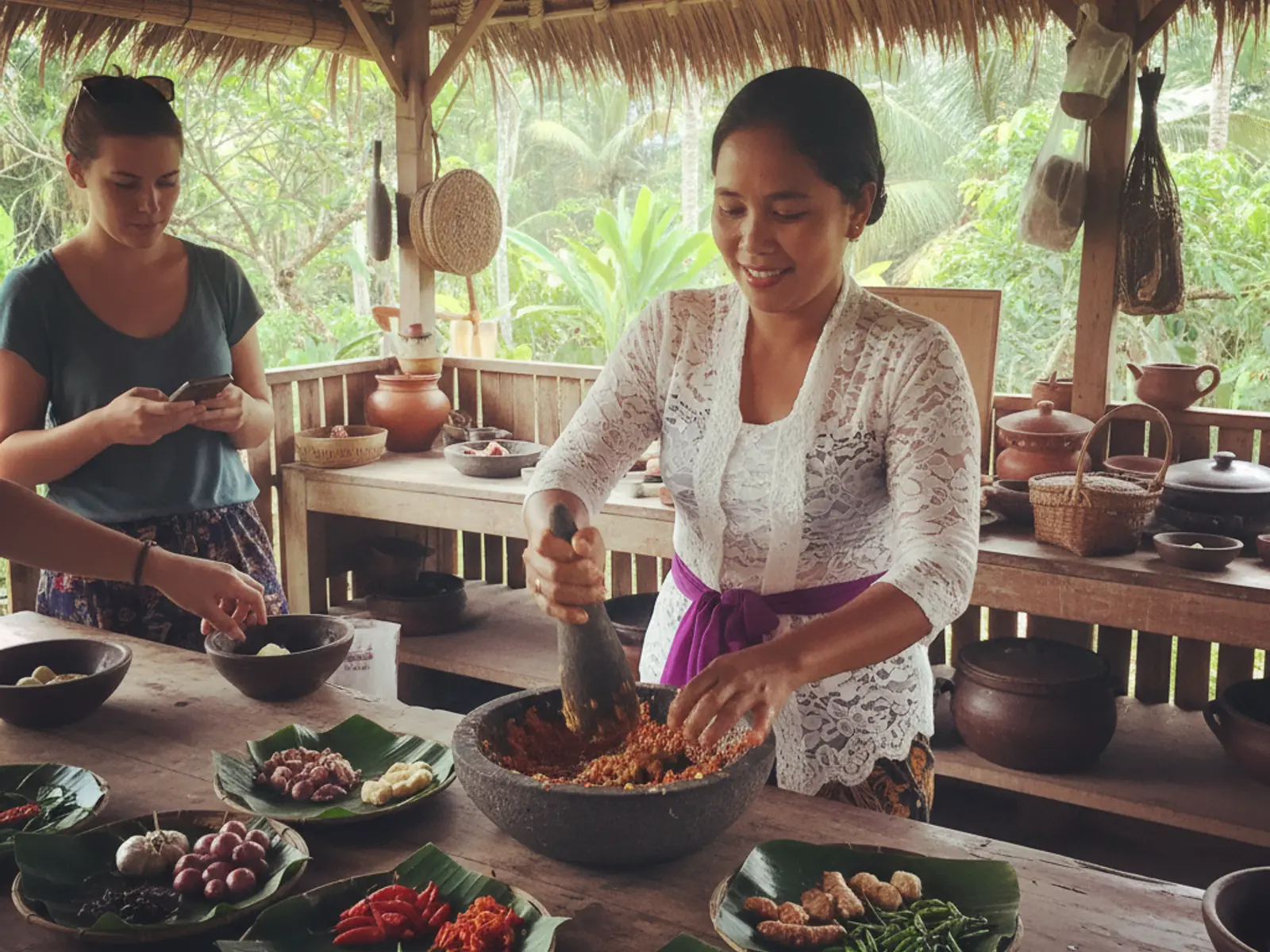
The Sidemen valley in east Bali has smaller, family-run spice gardens rather than large-scale commercial plantations. More focus on the spice variety than coffee specifically. Often integrated into cooking class programs as the morning preparation component.
Understanding kopi luwak (civet coffee)
Kopi luwak is coffee made from beans that have been eaten, partially digested and excreted by Asian palm civets (luwak). The digestive process allegedly alters the bean's proteins and reduces bitterness. It was historically collected from wild civets in jungle areas and was genuinely rare and expensive ($200–400/kg wholesale).
The reality of kopi luwak at Bali tourist plantations: the vast majority use captive civets kept in small cages and force-fed coffee cherries — a practice condemned by animal welfare organisations. The "luwak" you see in cages at plantations are not healthy wild animals.
At Rp 50,000–150,000 ($3–$9) per cup, plantation kopi luwak is priced accessibly to maximise sales. This price point is inconsistent with genuinely rare wild-collected civet coffee. You are almost certainly drinking captive-sourced kopi luwak.
Our recommendation: try the complimentary non-luwak coffees (which are often excellent), buy a bag of the regular arabica or robusta, and skip the luwak unless the plantation can demonstrate verifiable wild-collection or third-party animal welfare certification.
What is included in a plantation tour
- ✓Guided walk through the coffee, cacao, vanilla and spice plants
- ✓Explanation of coffee processing from cherry to cup
- ✓Complimentary tasting of 8–12 different hot drinks
- ✓View of traditional coffee roasting and grinding methods
- ✓Freedom to purchase coffee, spices and essential oils in the shop
Entry to most plantations is free — the business model relies on kopi luwak sales and the on-site shop. You are not obliged to purchase anything. Staff will be courteous even if you only do the free tasting.
Pricing
| Item | IDR | USD equiv. |
|---|---|---|
| Plantation entrance + free tasting | Free | Free |
| Kopi luwak (per cup) | Rp 50,000 – 150,000 | $3 – $9 |
| 100g bag of arabica coffee | Rp 80,000 – 150,000 | $5 – $9 |
| 100g bag of ground vanilla | Rp 40,000 – 80,000 | $3 – $5 |
| Spice gift set (mixed) | Rp 100,000 – 250,000 | $6 – $16 |
| Guided tour from Ubud (transport + plantation) | Rp 350,000 – 600,000 | $22 – $38 |
What to bring
- →Comfortable walking shoes (plantation paths are gravel and dirt)
- →Light layer if visiting the Kintamani highlands (cooler than Ubud)
- →Cash for purchases (not all plantation shops accept card easily)
- →Empty bag or extra room in your luggage if planning to buy coffee or spices
- →An empty stomach — 12 different drinks is a lot of caffeine
Best season
Coffee and spice plantations are a year-round experience and completely unaffected by season in terms of the tour itself. The coffee harvest in Bali occurs between May and October when you may see fresh red cherries on the arabica bushes — the most photogenic and educational time to visit. Outside harvest season, the plants are still present and growing but you will not see ripe fruit.
Common scams and things to avoid
- Overpriced kopi luwak to take home: 100g bags of kopi luwak are sold at plantations for Rp 300,000–600,000. The coffee inside is almost certainly captive-sourced. If you want to buy kopi luwak to take home as a gift, buy a branded certified product at a reputable Bali supermarket or specialty coffee shop instead.
- Pressure selling: Some plantation guides become noticeably cool in their demeanour if you decline to purchase. This is uncomfortable but not aggressive. A polite "no thank you" is all that is required.
- Fake organic certification: Certificates displayed on walls of plantations claiming organic or Rainforest Alliance status are difficult to verify on-site. If organic certification matters to you, purchase from stores in Ubud that stock specialty verified beans rather than directly from plantation tour shops.
Frequently asked questions
Is the plantation tour worth doing?
Yes, even if you do not drink coffee. The spice garden is fascinating, the free tasting is genuinely enjoyable and the experience gives useful context for understanding Balinese cuisine. Budget 1.5 hours and combine it with a Tegallalang rice terrace visit.
Does kopi luwak actually taste different?
Connoisseurs note slightly lower acidity and a smoother body compared to the same beans processed normally. The difference is subtle. At Rp 50,000–150,000 per cup at Balinese plantations, you are paying mostly for the novelty — not for a significantly superior coffee experience.
What coffee should I buy to take home?
The 100% Bali arabica (usually from the Kintamani or Pupuan growing region) is genuinely good quality and carries the characteristic slight earthiness of volcanic-soil-grown coffee. Avoid pre-ground bags — buy whole bean and grind at home. Price per 100g: Rp 80,000–150,000.
Are the animals at luwak plantations treated well?
Most are not. Captive civets are typically kept in small wire cages and force-fed coffee cherries in volumes far exceeding their natural intake. This is the standard practice at commercial tourist plantations in Bali. We advise against buying kopi luwak at plantations that keep visible caged animals.
Can I combine the plantation with a cycling tour?
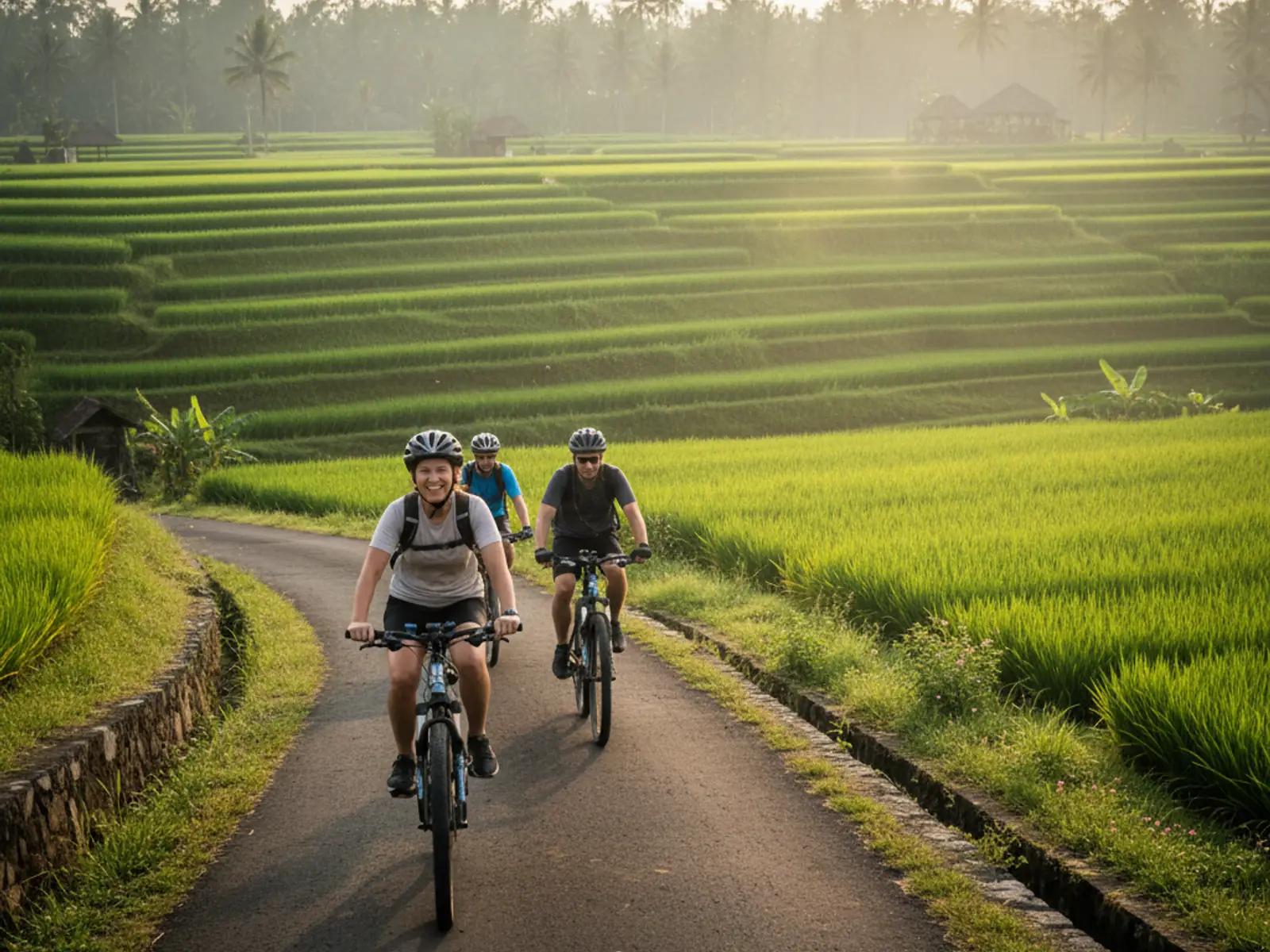
Yes — the Kintamani to Ubud downhill cycling tour passes through the Tegallalang plantation area and typically includes a plantation stop. It is the most natural combination and does not add significant time to the cycling tour program.
Are vanilla beans from Bali good quality?
Balinese vanilla (Vanilla planifolia) is grown in the highland plantation areas and is considered good quality — fat, moist beans with a clean vanilla aroma. Considerably cheaper than Madagascar vanilla at source. A good souvenir purchase at Rp 40,000–80,000 per 100g at the plantation.
Ready to book or have questions?
WhatsApp us directly — free trip planning help, real reply in about 10 minutes.
Message +62 882-4569-741