Lovina dolphin watching — what the experience is
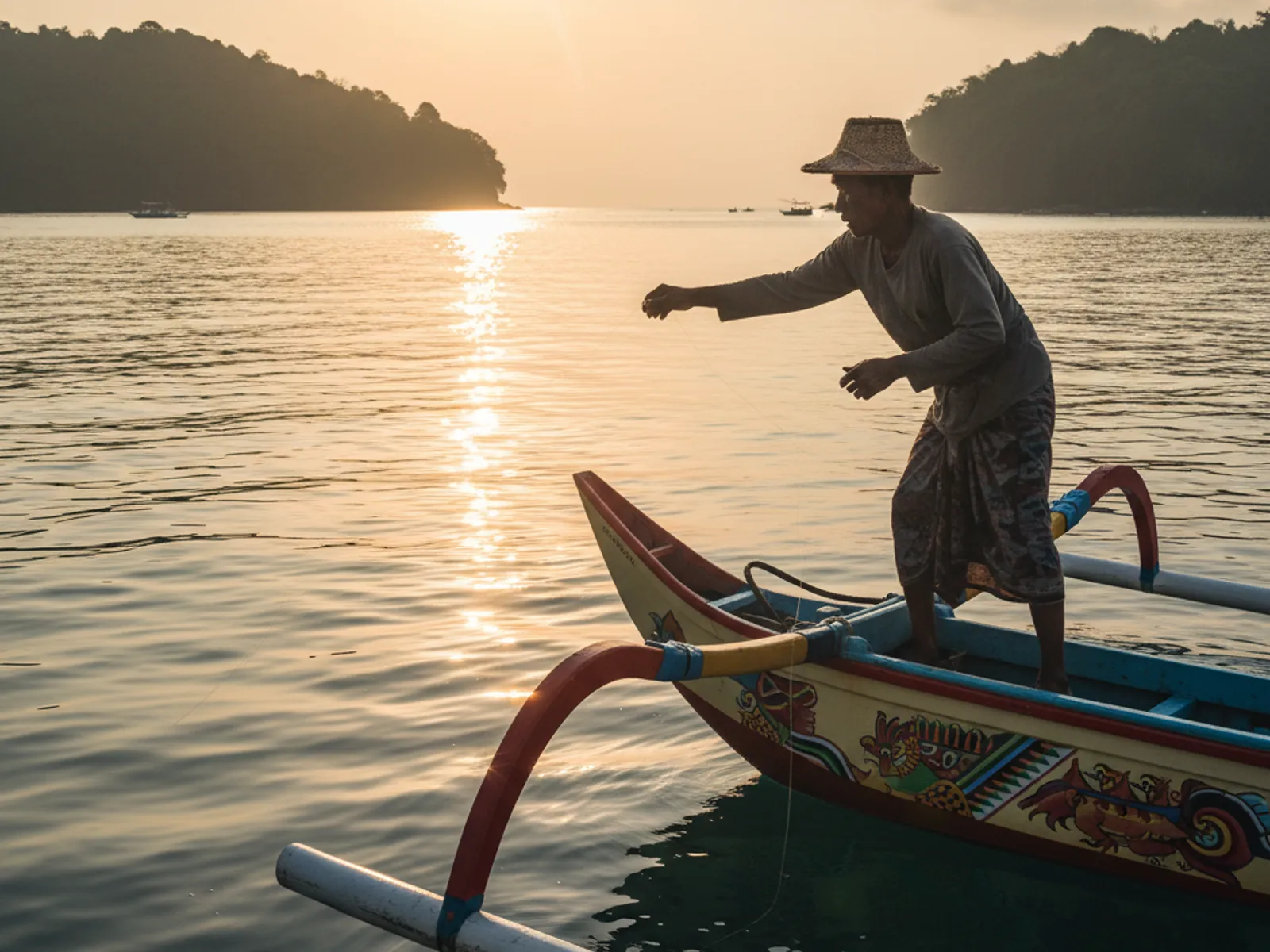
The Lovina dolphin watching experience is one of north Bali's signature activities — boarding a traditional wooden jukung fishing boat in the pre-dawn darkness, motoring out 1–2 kilometres offshore, and watching pods of spinner dolphins leap through the golden light of the sunrise. Lovina Beach, on the north coast near Singaraja, sits above a warm shallow shelf where spinner dolphins congregate to feed in the early morning hours before moving offshore during the day.
The boats depart at approximately 5:30am — you need to be at the beach by 5:15am. This means an early alarm, but the reward is the combination of watching dolphins and watching the sun rise over the Bali Sea with the volcanic peaks of north Bali behind you. The whole excursion takes 1.5–2.5 hours and returns to the beach by 7:30am–8am.
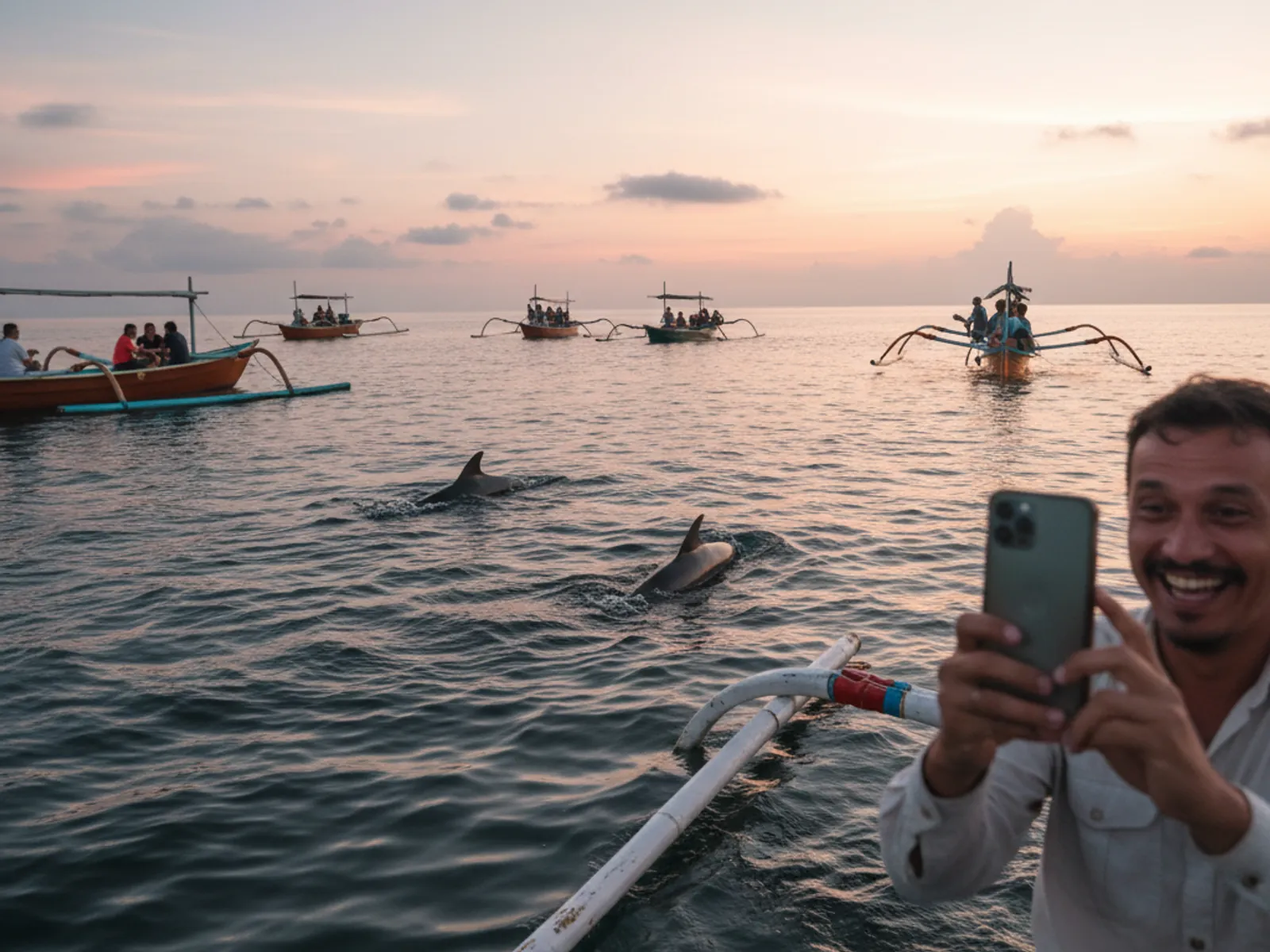
The spinner dolphins at Lovina are not trained or fed. They are wild dolphins who have been visiting this coastal shelf for decades. Sightings are very high probability — the local fishermen and tour operators have decades of experience reading the sea and know where to look. Pod sizes vary from 5–10 dolphins to 50–100+, with larger pods most common in the early dry season (May–June).
The experience takes place from the boat — you are not in the water with the dolphins. Swimming with dolphins is offered by some operators but is not recommended from an ecological standpoint and disrupts natural dolphin behaviour. The best moments are watching the dolphins leap and spin naturally at sunrise without human interference.
Lovina Beach — where it is and how to get there
Lovina Beach is on the north coast of Bali near the town of Singaraja (Buleleng regency). It is approximately 2.5–3 hours by car from Canggu or Ubud. The closest major accommodation is in Kalibukbuk (central Lovina), where the dolphin boat pier is located.
Because of the 5:30am departure, doing the dolphin watching as a day trip from Canggu or Ubud requires leaving your hotel at 2:30am–3am. Most visitors who specifically want the dolphin experience stay one or two nights in Lovina and combine it with the nearby Gitgit waterfall, Banjar hot springs, Brahma Vihara Arama Buddhist temple and West Bali National Park.
Driving over the Pupuan or Bedugul mountain roads to reach Lovina from south Bali takes 2.5–3 hours and is a spectacular mountain drive in its own right — particularly the descent through the coffee and spice growing highlands.
Pricing
| Option | IDR | USD equiv. | Notes |
|---|---|---|---|
| Dolphin watch (per person, shared boat) | Rp 150,000 – 250,000 | $9 – $16 | Bookable directly at Kalibukbuk beach |
| Private jukung (1–3 people) | Rp 450,000 – 700,000 | $28 – $44 | Entire small boat for your group |
| Day trip from Ubud (transport + dolphin) | Rp 700,000 – 1,100,000 | $44 – $69 | Car + dolphin + sometimes waterfall stop |
| Overnight in Lovina + dolphin watch | Rp 300,000 – 700,000 (room) | $19 – $44 | Room only; dolphin watch booked separately |
The Lovina dolphin boat experience is one of the best value wildlife encounters in Bali. At Rp 150,000–250,000 per person, it is genuinely affordable and operated by local fishermen whose livelihoods depend on its sustainability.
What is included
- ✓Traditional wooden jukung fishing boat with outboard motor
- ✓Local fisherman guide with decades of dolphin-watching experience
- ✓Life jacket
- ✓Return to the beach after the dolphins (approximately 1.5–2 hours)
Breakfast is not included in the boat price — eat at your hotel or guesthouse before departure. Most Lovina guesthouses will organise a very early continental breakfast for dolphin trip guests.
What to bring
- →Warm layer — 5:30am on a boat at sea is cool, even in Bali
- →Camera with zoom lens or good low-light phone camera
- →Seasickness tablets if prone (the boats can rock in light chop)
- →Flashlight or headlamp for walking to the beach in darkness
- →Cash (IDR) — fishermen prefer cash payment
- →Sunscreen for the return trip after sunrise
Best season
Dolphins are present at Lovina year-round. The best months are May–October when seas are calmest and morning visibility is clearest. November to April has a higher chance of wind chop which makes the jukung boats less comfortable and can occasionally ground tours entirely in rough conditions. The largest dolphin pods are typically seen in May–June at the start of the dry season.
Ethical considerations
The Lovina dolphin watching industry has grown significantly and there are ethical concerns about the number of boats that congregate around dolphin pods simultaneously. At peak times (July–August) there can be 30–50 small boats surrounding a dolphin pod. This level of disturbance affects dolphin feeding and stress levels.
If you want a more responsible experience: go in the shoulder season (May–June or September–October) when fewer boats are operating, choose operators who keep a respectful distance from the dolphins, and avoid any operator who suggests getting in the water with the dolphins. The dolphins are not performing for tourists — they are wild animals on their morning feeding run.
Combining Lovina with other north Bali attractions
Banjar Hot Springs
15 minutes from Lovina. Natural hot spring pools in a jungle garden setting. Open from 8am. Entry Rp 30,000.
Gitgit Waterfall
20 minutes south of Lovina on the Denpasar road. One of Bali's most accessible waterfalls. Entry Rp 15,000.
Brahma Vihara Arama
Bali's only Buddhist temple — a serene and architecturally beautiful monastery near Lovina. Free entry, donations welcome.
Menjangan Island
1.5 hours from Lovina along the northwest coast. The best snorkeling and diving in Bali. Perfect overnight combination.
Frequently asked questions
Are dolphin sightings guaranteed at Lovina?
No experience in wildlife is ever 100% guaranteed, but sighting probability at Lovina is extremely high — experienced local guides estimate 90%+ on calm days. The spinner dolphins are present year-round and the fishermen know exactly where to find them.
What kind of dolphins are they?
Spinner dolphins (Stenella longirostris) — named for their spinning aerial leaps. They are smaller than bottlenose dolphins (1.4–2m) but extremely acrobatic and often seen in large pods.
How rough is the boat?
Traditional jukungs are small outrigger fishing boats and can be rocky in light chop. On calm days they are very stable. On windy days (January–February) they can be uncomfortable. If you are prone to motion sickness, take medication beforehand.
Can I swim with the dolphins at Lovina?
Some operators offer this, but we advise against it. Swimming into a pod of wild dolphins is disruptive to their behaviour. Watch from the boat — the experience is just as spectacular and does not stress the animals.
How far is Lovina from Ubud?
Approximately 65–70km by road via the Pupuan or Bedugul mountain routes. Driving time is 2.5–3 hours depending on the route chosen. The mountain roads are narrow in places but well-maintained.
Is it worth staying overnight in Lovina?
Yes, strongly. The 5:30am departure means a very early alarm if coming from Ubud or Canggu. One night in Lovina gives you a relaxed experience — go to sleep at 9pm, wake at 5am refreshed, enjoy the dolphins, then spend the morning visiting the hot springs and waterfalls before driving back.
Ready to book or have questions?
WhatsApp us directly — free trip planning help, real reply in about 10 minutes.
Message +62 882-4569-741