Photography tours in Bali — what they offer
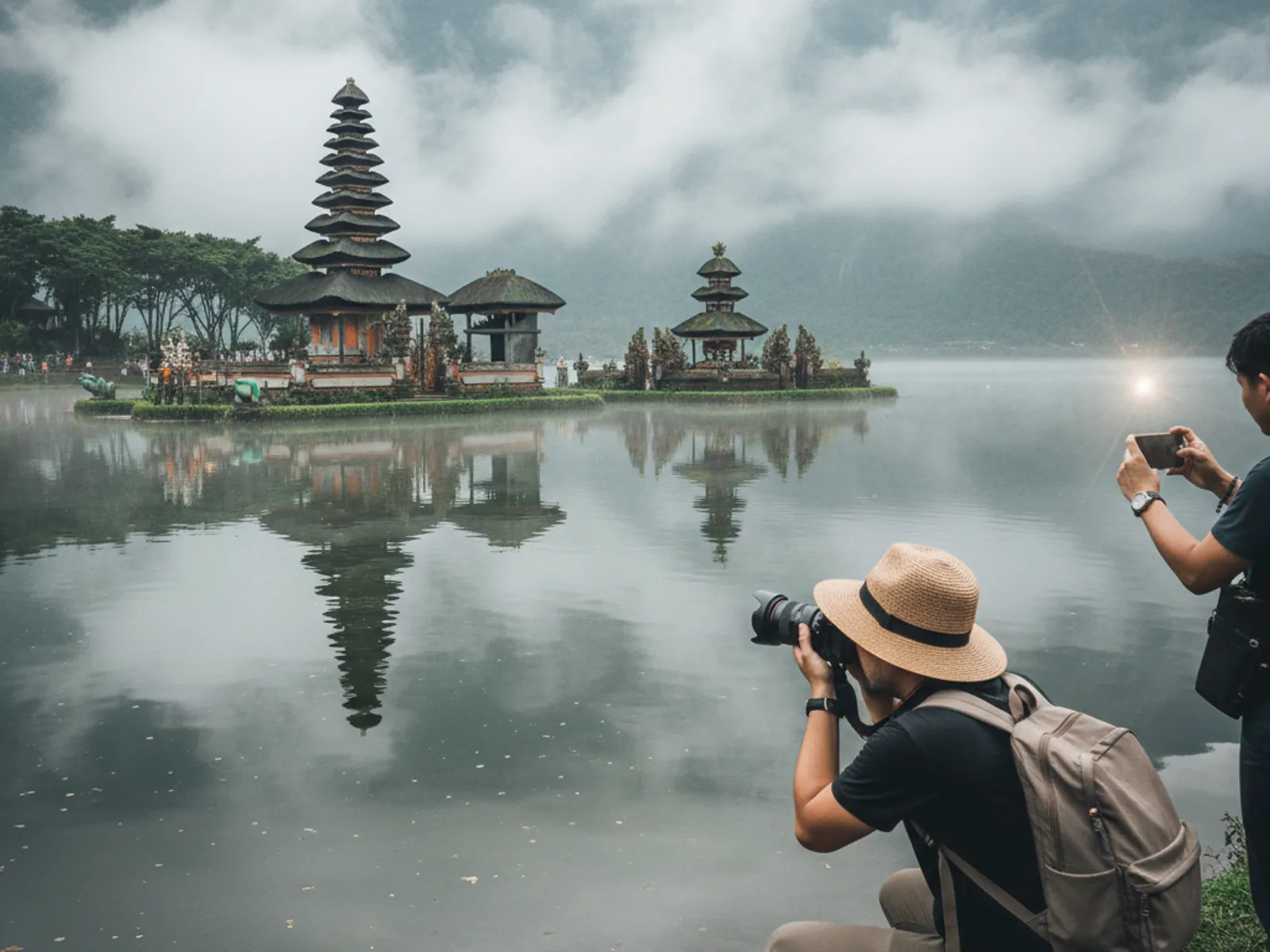
A Bali photography tour is a guided experience that takes you to the island's most photogenic locations at the optimal time of day for light and crowd management. The value of a good guide is not just transport — it is knowing that Lempuyang Gates has no crowd at 5:30am, that Tegallalang Rice Terraces photograph best from the lower terrace trail rather than the tourist platform, and that the Handara Golf Gate requires arriving on a weekday morning to avoid the selfie queue.
Tours range from half-day golden hour shoots to full-day 8-hour trips combining multiple iconic locations. Some guides are photographers themselves and offer post-processing tips; others focus purely on logistics and location knowledge. The most sought-after tours include a Balinese cultural context — explaining what you are photographing as well as helping you compose the shot.
The term "Instagram tour" has become the popular label, but photography tours in Bali serve genuine photographers as well as social media users — the locations and the light are extraordinary and stand up to serious photographic treatment. Sunrise shoots produce the most dramatic images; the golden hour on Bali's east coast and mountain landscapes is particularly stunning.
Drone photography is legal in Bali in most outdoor locations outside of restricted airspace (central Ubud and near airports). Several photography tour operators offer drone pilots as an add-on service. Indonesia requires an aviation authority permit for commercial drone use; personal recreational drone flights have fewer restrictions.
Best photography locations in Bali
Lempuyang Temple — Gates of Heaven
The split gateway (candi bentar) of Pura Luhur Lempuyang with Mount Agung reflected in a pool of water placed beneath it — the most duplicated Bali photograph on social media. The reflection is created by a mirror-bottom tray held by temple staff. Arrive by 6am for no queue. Entry: Rp 50,000 per person plus sarong rental. Location: east Bali, Karangasem regency.
Tegallalang Rice Terraces
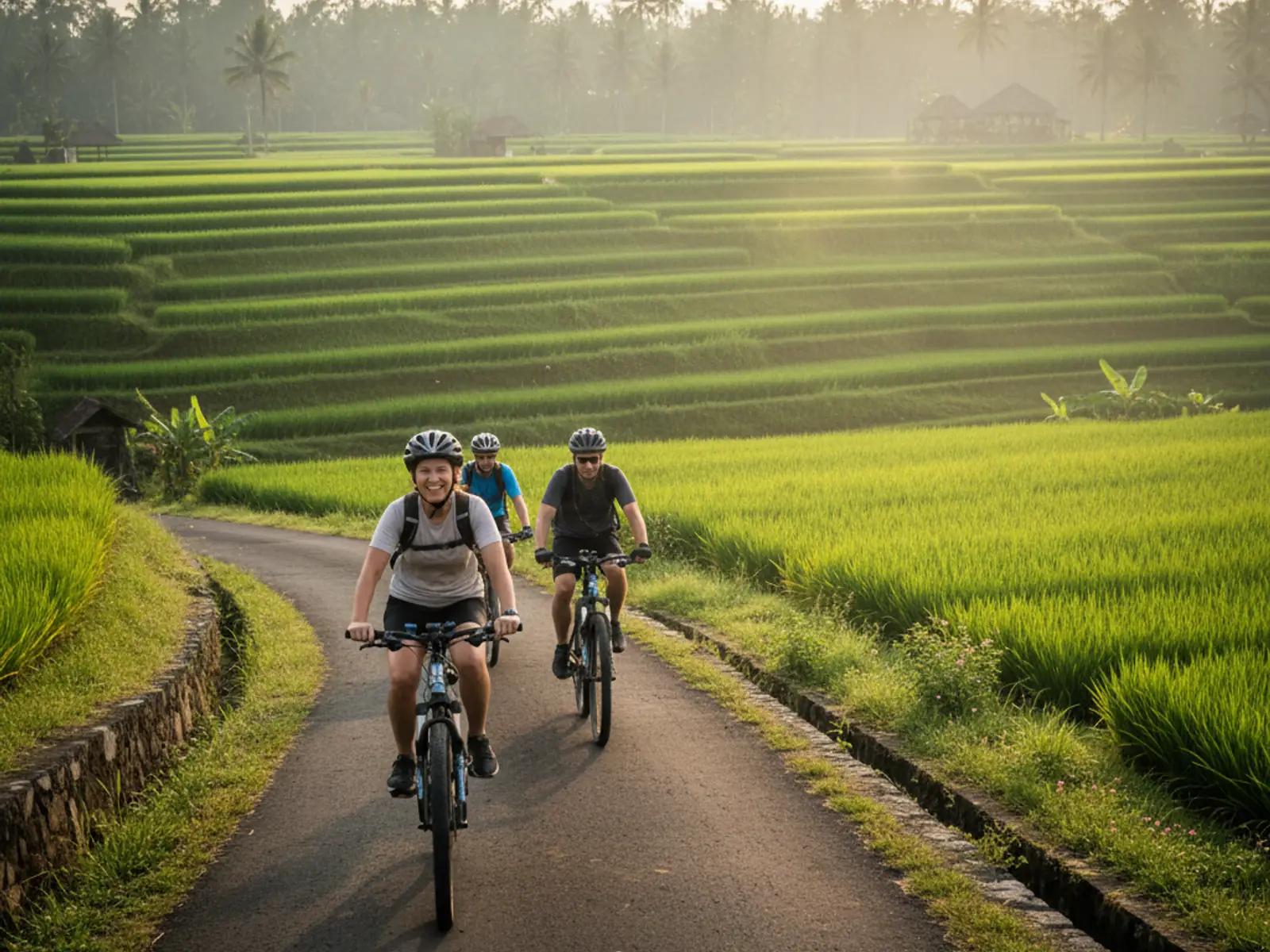
The most famous rice terraces in Bali — carved into a hillside above a river gorge north of Ubud. The commercial viewing platforms on the main road are crowded. Walk down into the terraces on the lower trail for undisturbed compositions looking up. The palms and bamboo above the terrace walls photograph brilliantly in soft morning light. Best: 7am–9am.
Handara Golf Gate (Bedugul)
A colonial-era golf club gate in the Bedugul highlands at 1,200m elevation, surrounded by mist and montane vegetation. The gate itself is architecturally unremarkable but the fog-wrapped jungle setting is ethereal on cloudy mornings. Best in wet season for mist. Entry: Rp 50,000 per person. Arrive before 8am on weekdays.
Jatiluwih UNESCO Rice Terraces
A UNESCO World Heritage Cultural Landscape — genuine working rice terraces of the subak irrigation system on the slopes of Mount Batukaru. Less touristic than Tegallalang, panoramic views of the entire terrace system, morning mist in the valleys. Best for serious landscape photography. Entry: Rp 40,000.
Campuhan Ridge Walk (Ubud)
A narrow ridge trail between two river valleys north of central Ubud, lined with alang-alang grass and offering clear sightlines to the jungle ridges. Free access, genuinely peaceful before 8am. Golden hour from 6am–7am. Popular with local watercolour painters for the rolling landscape views.
Tirta Gangga Water Palace (east Bali)
A former royal water palace with stepped pools, lotus flowers and stone carved statues reflected in still water. Architecturally beautiful in the classic Balinese Hindu style with Agung as a backdrop on clear days. Best: early morning before tour groups. Entry: Rp 50,000.
Pricing
| Tour format | IDR | USD equiv. | Locations |
|---|---|---|---|
| Sunrise photo tour (3 spots) | Rp 500,000 – 800,000 | $31 – $50 | Lempuyang + 2 east Bali sites |
| Half-day Ubud photo tour | Rp 400,000 – 650,000 | $25 – $41 | Tegallalang + Campuhan + temple |
| Full-day best-of Bali photo tour | Rp 900,000 – 1,500,000 | $56 – $94 | 4–5 locations, sunrise to mid-afternoon |
| Drone photo add-on | Rp 500,000 – 1,000,000 | $31 – $63 | Per session, operator provides drone |
| Photography course tour (1 day) | Rp 1,200,000 – 2,000,000 | $75 – $125 | Light, composition, editing coaching |
Entry fees to individual sites (Lempuyang Rp 50,000, Tegallalang Rp 20,000–40,000, Handara Rp 50,000, Jatiluwih Rp 40,000) are usually not included in the tour price. Budget an additional Rp 150,000–250,000 for entry fees across a full-day tour.
What is included
- ✓Private car with driver-guide for all transport between locations
- ✓Location knowledge and timing advice from a local expert
- ✓Assistance with composition, framing and shot timing
- ✓Sarong rental or supply for temple entry (some guides)
- ✓Light refreshments and water
- ✓Recommendations on when to avoid each location based on crowd patterns
What to bring
- →Camera body and a wide-angle lens (16–35mm equivalent) for landscapes
- →Telephoto lens (70–200mm) for compressed rice terrace shots
- →Tripod or travel tripod for long-exposure sunrise shots
- →Extra batteries and memory cards — long days drain equipment fast
- →Neutral density filters for waterfall and rice terrace long exposures (optional)
- →Comfortable walking shoes — some locations require 10–20 minute walks
- →Sarong (some temples require one for entry)
Best season and timing
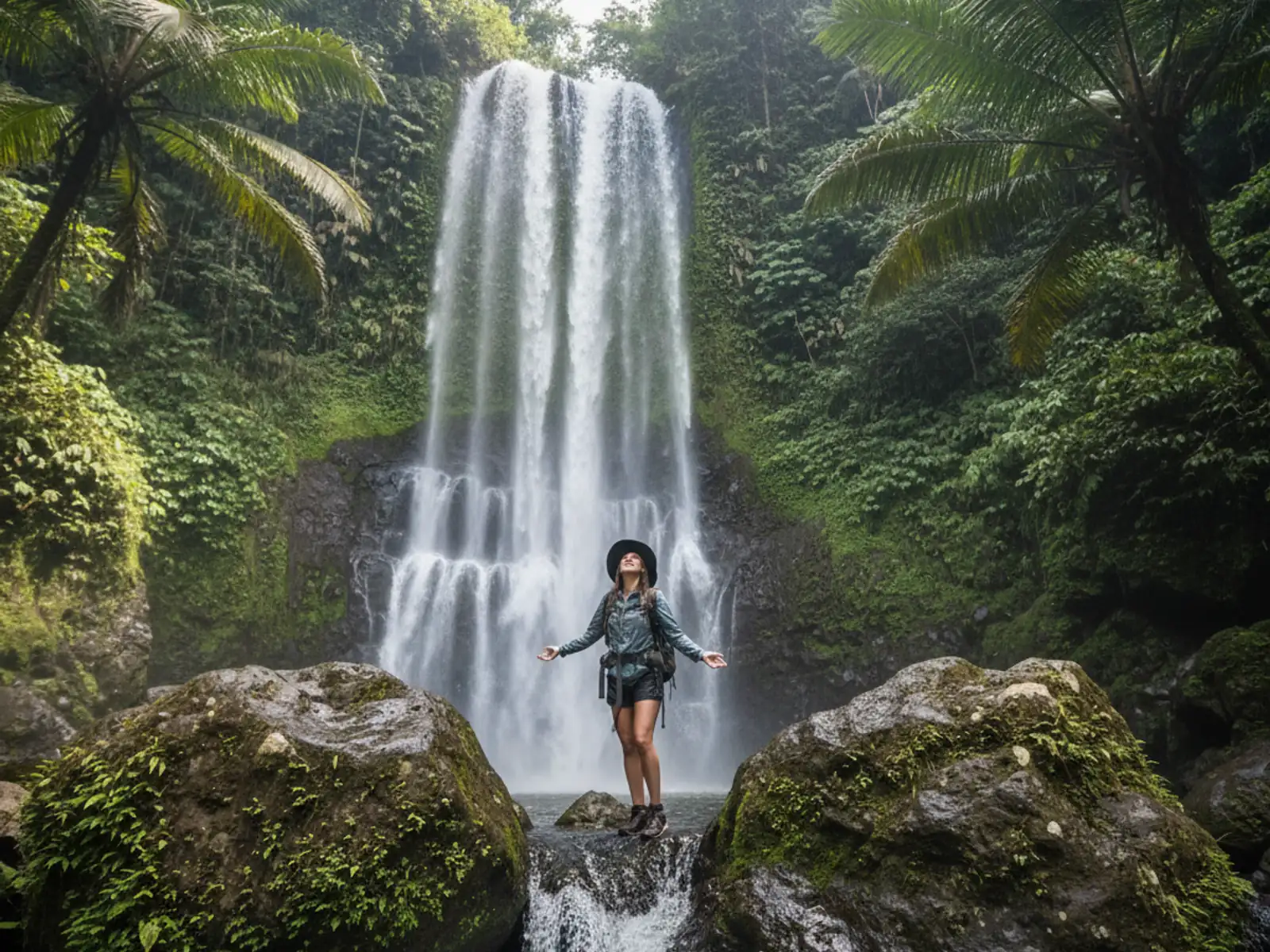
The dry season (May–October) gives the clearest skies and most reliable golden-hour light — sunrises are consistently spectacular and Agung is visible in the background of many east Bali shots. The wet season (November–April) offers different but equally valid photographic opportunities: dramatic storm clouds, misty mountains, waterfalls at full flow and lush green rice terrace colours at their peak. January–March produces the most dramatic cloud formations and moody atmospheric conditions.
For any photography tour, sunrise is the optimal window. The golden hour between 5:45am–7:30am produces the warmest light and the emptiest locations. By 9am most major photo spots are filling with tour groups.
Common scams and things to avoid
- Lempuyang mirror scam: Temple staff hold a tray of water to create the Agung reflection. They expect a tip of Rp 20,000–50,000 per group for this service. This is informal and not official temple entry. Some photographers prefer to photograph the gate without the reflection — this is allowed but staff may be persistent.
- Fake photography guides: Some individuals book transport and present themselves as "photography guides" without actual photographic or location knowledge. Ask potential guides to show you their portfolio and client reviews before booking.
- Commercial drone use: Flying a drone commercially (including for paid photography services) in Indonesia technically requires an MCAI (Civil Aviation Authority) permit. For recreational photography you are unlikely to have issues at most outdoor locations. Avoid drone use near temples during ceremonies — this is disrespectful and can result in equipment confiscation.
Frequently asked questions
Is the Lempuyang reflection real or Photoshopped?
The reflection is created by temple staff who hold a tray of water under your camera. It is real in the sense that no digital editing is involved, but it is artificially created at the location, not a natural reflection of a pool. The gate is genuinely dramatic — many photographers prefer to shoot it without the mirror effect.
Can I do photography tours without a guide?
Yes, all the major photo spots are accessible by scooter or car. However, a guide significantly increases the efficiency of a full-day tour and ensures you arrive at each location at the right time. Going independently risks arriving at Lempuyang at 11am to find a 2-hour queue.
What is the Campuhan Ridge Walk?
A 2km trail that runs along the ridge between the Wos and Campuhan rivers north of Ubud. It is free, accessible on foot from central Ubud and offers some of the best unobstructed landscape views in the area. Best photographed in the early morning when the alang-alang grass glows in golden light.
Do I need professional camera equipment?
No. The light and locations in Bali are so dramatic that smartphone cameras with modern computational photography produce excellent results at most sites. A dedicated camera with a wide-angle lens adds creative control but is not required for genuinely impressive images.
Are there photography restrictions inside Balinese temples?
Photography is generally permitted at Bali's major temples except during active prayer ceremonies. Always ask or follow signs. Never photograph worshippers at prayer from a disrespectful angle or distance. Wear a sarong inside all temples.
How early should I book a sunrise photography tour?
For peak season (July–August), book 3–5 days ahead. In shoulder season, 1–2 days is usually fine. Same-day bookings can often be accommodated for afternoon or sunset tours.
Ready to book or have questions?
WhatsApp us directly — free trip planning help, real reply in about 10 minutes.
Message +62 882-4569-741