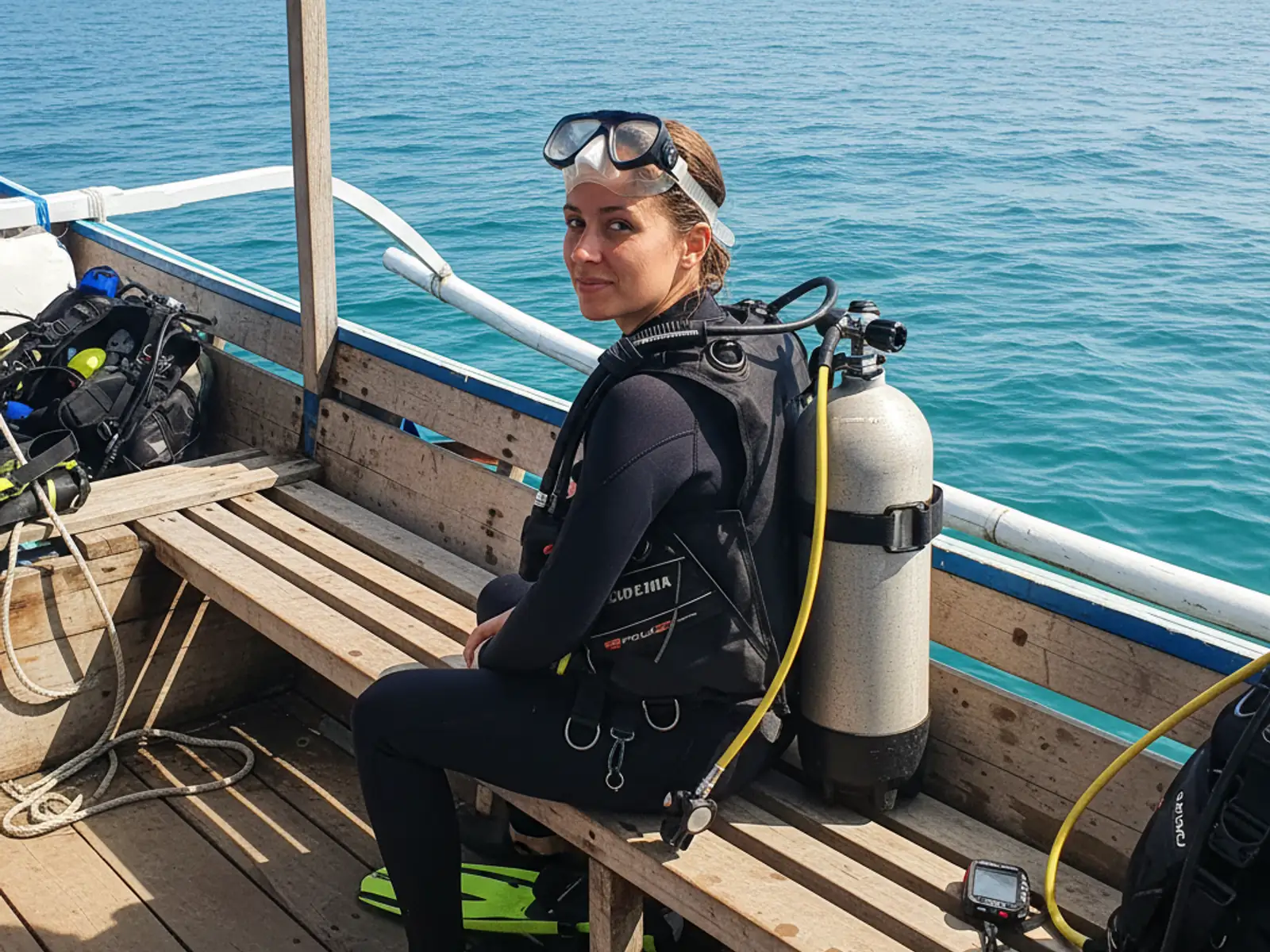
Scuba diving in Bali — the basics
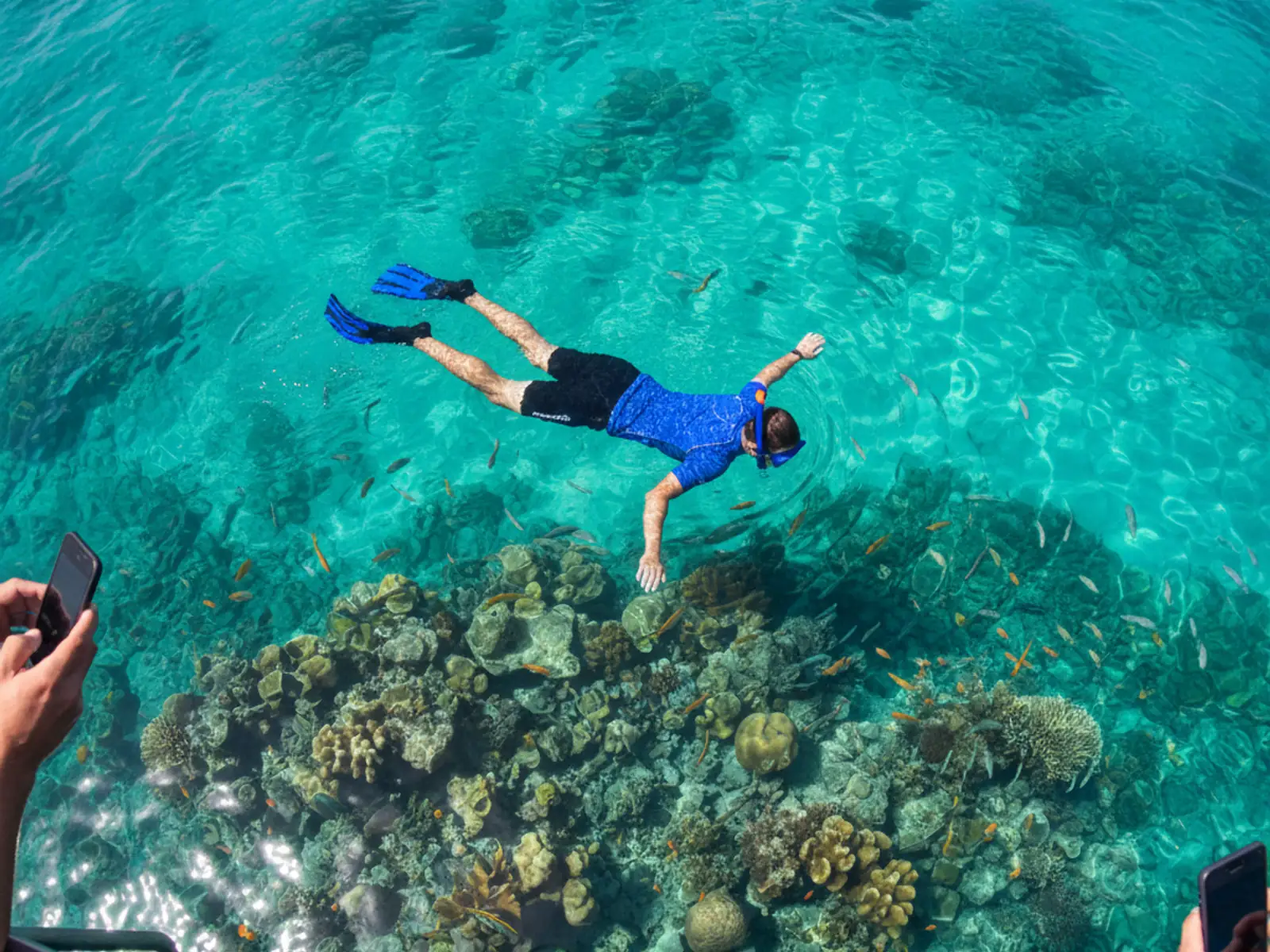
Bali sits at the junction of the Indian Ocean and the coral triangle — the most biodiverse marine area on Earth. The island's dive sites range from beginner-friendly shallow reefs to technically challenging drift dives past manta rays and sunfish (mola mola). Water temperatures hold between 26–29°C at most sites, and visibility averages 15–25 metres at the best locations.
You do not need a certification to try scuba diving in Bali. Discovery dives (also called introductory or try-dive experiences) are available at all operators and take complete beginners to 5–12 metres depth under direct instructor supervision. A full PADI Open Water certification takes 4 days and opens up the majority of dive sites.
The four premier dive areas are Tulamben (USAT Liberty wreck), Amed (vibrant wall reefs), Menjangan Island (pristine northwest Bali reef), and Nusa Penida (mantas, mola mola, drift dives). Each takes 2–3 hours to reach from Canggu or Ubud, making most dive trips day-trips with a very early start or involving one night's accommodation in the dive area.
PADI is the dominant certification system used across Bali's dive centres, with SSI and NAUI also available. All reputable operators include equipment, boat, dive guide, dive briefing and water. Nitrox is available at most modern operators for an additional charge.
Best dive sites in Bali
Tulamben — USAT Liberty Wreck (all levels)
A 120-metre US cargo ship torpedoed in 1942 and pushed ashore by the 1963 Agung eruption. Now lying in 5–30 metres of water 30 metres from the beach, it is one of the most accessible wreck dives in the world. Covered in hard and soft coral, home to bumphead parrotfish, jackfish schools and the occasional white-tip shark. Dive it at dawn before the day-trippers arrive.
Nusa Penida — Mantas and Mola Mola (intermediate+)
Manta Point has cleaning stations where oceanic manta rays with 3–4 metre wingspans circle predictably throughout the morning. Mola Mola (ocean sunfish) appear at Crystal Bay from July to October — their presence depends on cold thermoclines and cannot be guaranteed. Crystal Bay has strong currents and requires an experienced guide. Gamat Bay offers drift diving along dramatic walls.
Menjangan Island — Best Coral Health (all levels)
Part of West Bali National Park, Menjangan has the healthiest hard coral in Bali — untouched by run-off and boat traffic. Wall dives drop to 60+ metres. Visibility regularly exceeds 30 metres. Requires a permit (usually included by operators) and a minimum 3-hour drive from Canggu — best done as an overnight trip staying in Pemuteran.
Amed — Shore Diving and Reef (beginner+)
Amed's black-sand bays have vibrant reef diving directly from shore — no boat needed at several sites. Japanese shipwreck in 2–12 metres is popular for beginners. Coral gardens at Lipah and Selang are excellent for macro photography. Amed is a better base than Tulamben for multi-day dive trips due to its accommodation range.
Padang Bai — Blue Lagoon and Temples (beginner+)
Blue Lagoon is the classic beginner site — calm, 12–18 metres, excellent reef fish diversity. The Temples site has beautiful coral formations in 15–25 metres. Padang Bai is only 1 hour from Ubud making it the most accessible dive location for east Bali visitors.
Typical pricing
| Type | IDR | USD equiv. | Includes |
|---|---|---|---|
| Discovery dive (no cert) | Rp 750,000 – 1,200,000 | $47 – $75 | 1 dive, equipment, instructor supervision |
| 2 fun dives (certified) | Rp 900,000 – 1,600,000 | $56 – $100 | Equipment, boat, guide |
| PADI Open Water (4 days) | Rp 5,500,000 – 8,500,000 | $344 – $531 | Full cert, manual, dives, equipment |
| PADI Advanced OW (2 days) | Rp 3,500,000 – 5,500,000 | $219 – $344 | 5 dives, specialty modules |
| Manta day trip (Nusa Penida) | Rp 1,400,000 – 2,200,000 | $88 – $138 | Boat, guide, 2 dives |
| Nitrox surcharge per dive | Rp 80,000 – 150,000 | $5 – $9 | Enriched air fill |
What is included
- ✓All scuba equipment (BCD, regulator, wetsuit, mask, fins, tank)
- ✓Boat transfer to dive site
- ✓PADI/SSI certified dive guide
- ✓Dive briefing and safety equipment (oxygen kit on board)
- ✓Water and light snack on boat
- ✓PADI certification card for course completions (emailed within 24h)
Best season and visibility
April to November offers the best diving conditions on the south and east side of the island. Visibility at Tulamben and Amed peaks in August–October (25–30m+). Nusa Penida mantas are most reliably seen June–October; mola mola appear July–October. Menjangan is excellent year-round but access involves crossing to the northwest which can be rough December–February.
The wet season (November–March) does not close diving — Tulamben and Padang Bai remain good — but visibility can drop to 10–15m at some sites and surface conditions are lumpier.
Safety considerations
DAN membership: The Divers Alert Network (DAN) provides emergency medical support and evacuation insurance for divers. A 1-year policy costs around $35 USD — get it before you arrive.
Flying after diving: Do not fly within 18 hours of a single dive or 24 hours after multiple dives. This catches many tourists who dive in the morning and fly home in the evening.
Currents at Nusa Penida: Crystal Bay has sudden and powerful thermocline currents. Only dive Nusa Penida with operators experienced on those specific sites.
Decompression chamber: Bali has a functioning hyperbaric chamber in Denpasar (Sanglah Hospital). Your operator should know its location and number.
Equalisation: If you have any congestion from a cold, postpone your dive — forced equalisation under water can rupture eardrums.
How to book
For fun dives, most operators accept walk-ins — particularly in Tulamben and Amed. For PADI courses, book at least 2–3 days in advance. For Nusa Penida trips, book the day before at minimum — boats are limited and fill quickly in July–October.
WhatsApp us at +62 882-4569-741 with your certification level, which sites interest you and your dates — we can recommend operators we know personally and help you avoid the cheaper operators that cut corners on equipment maintenance.
Common scams and things to avoid
- Uncertified dive guides: Indonesian law requires dive guides to hold at minimum a PADI Divemaster or CMAS equivalent. Ask to see certification before booking. Some "guides" are recreational divers with no formal training.
- Old or poorly maintained equipment: Check that regulators have service tags dated within the past 12 months. Test your BCD inflates properly on the surface before descending. Walk away from operators who use equipment with obvious wear.
- Guaranteed mola mola sightings: Any operator promising a mola mola sighting is overselling. Mola mola depend on cold thermoclines and cannot be guaranteed by any operator.
- PADI course too cheap: A genuine PADI Open Water course with a qualified instructor, full equipment and all confined/open water dives cannot be run profitably below Rp 4,500,000. Anything significantly below this is skipping required dives or using unqualified instruction.
Frequently asked questions
Can I scuba dive if I have never dived before?
Yes. A Discovery Dive (also called a try-dive or intro dive) is specifically designed for people with zero experience. You spend 30 minutes in a pool or shallow water practicing basics, then do a supervised dive to 5–12 metres.
How long does a PADI Open Water certification take in Bali?
Typically 3.5–4 days: 2 days of theory plus confined water drills, then 4 open water dives over 2 days. Some operators offer a 3-day "express" version but we recommend the standard pace for proper skill development.
What marine life can I expect to see at Tulamben?
The Liberty wreck consistently shows bumphead parrotfish schools (often 50+ fish), giant jackfish, moray eels, lionfish, sweetlips, garden eels in the sand and occasional white-tip reef sharks. Macro life (nudibranchs, scorpionfish) is exceptional.
Is Nusa Penida diving suitable for beginners?
Manta Point is fine for beginners — the mantas feed at the surface in 5–15 metres. Crystal Bay is not — currents can be very strong. Be honest about your certification level with your operator.
Do I need to bring my own equipment?
No. All operators include full equipment hire. If you have your own mask and fins, bring them — a comfortable, well-fitting mask makes a significant difference to the experience.
What is the water temperature in Bali for diving?
Most sites are 27–29°C and a 3mm shorty wetsuit is comfortable. Nusa Penida has thermoclines that drop water temperature to 18–20°C — a 5mm full wetsuit is recommended there.
Ready to book or have questions?
WhatsApp us directly — free trip planning help, real reply in about 10 minutes.
Message +62 882-4569-741