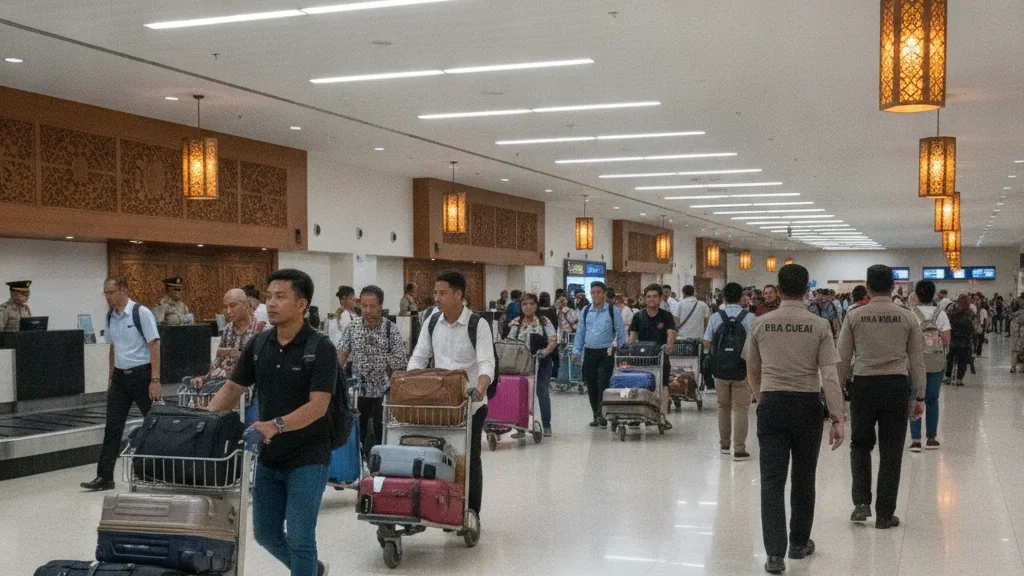

Bali receives over 6 million foreign visitors per year. The standard tourist experience — arrive at Ngurah Rai, go to Seminyak or Kuta, do Ubud for 2 days, see Tanah Lot, fly home — leaves out most of what makes Bali interesting. These 12 things are the gap between what you read in most travel guides and what actually shapes a first Bali visit.
1. Bali is Hindu, Not Muslim
Indonesia is 87% Muslim, but Bali is 84% Hindu. The cultural context is entirely different from the rest of Indonesia. You will see daily offerings (canang sari) placed on the ground, shrines at every house entrance and road intersection, and regular temple ceremonies. Understanding that you're in a living Hindu culture rather than a tourist performance of it changes how you read everything you see.
2. The Offering on the Ground is Not Rubbish
Canang sari — small square trays woven from palm leaf, containing flowers, rice, and incense — are placed on the ground, on steps, on car dashboards, and on shrines throughout the day. They are offerings to the gods. Step around them, not on them. Photographing them is fine. Touching or moving them is rude.
3. South Bali is Three Different Places
Kuta, Seminyak, and Canggu are each distinct in character and target visitor:
- Kuta: cheapest, loudest, most scams, best beginner surf. The stereotype of tourist Bali.
- Seminyak: upscale beach clubs, good restaurants, boutiques. Adult, expensive.
- Canggu: nomad/surfer culture, specialty coffee, yoga, boutique hostels. Trendy, creative.
Your choice of base matters more than most guides acknowledge. Staying in Seminyak when you want cheap local food and a hostel scene means daily frustration. Staying in Kuta when you want quality dining and no touts means daily annoyance.
4. Ubud is More Than the Monkey Forest
Ubud Monkey Forest (IDR 80,000) is overcrowded, the monkeys are aggressive and will steal anything, and it takes 90 minutes maximum. Ubud itself — the rice terraces at Campuhan Ridge, the cooking classes, the art galleries, the morning market before 7 am, Tirta Empul at 6 am — is worth 3 days. Most tourists give it one day and spend it at the Monkey Forest.
5. The Traffic is Real
Bali's road infrastructure has not kept pace with tourism. The road from Seminyak to Ubud (60km) can take 30 minutes at 7 am or 3 hours at 3 pm. Plan travel times accordingly. Scooters navigate traffic more efficiently than cars but are not immune to gridlock. The Bukit Peninsula roads south of Jimbaran are frequently jammed in the late afternoon. Build buffer time into every day.
6. Temple Dress Code is Genuine
Every temple in Bali requires a sarong (or sarong-equivalent covering below the knee) and a sash tied at the waist. This is not optional and not negotiable — you will be turned away without one. Sarongs are available at every temple entrance for rental or purchase (IDR 15,000–30,000). Bring one from your accommodation to save the daily rental fee. Shoulders should be covered for the inner sanctum — a t-shirt is fine, a bikini is not.
7. Nyepi Has Real Consequences for Your Itinerary
If your trip overlaps with Nyepi (Balinese New Year, usually March), the airport closes for 24 hours and all movement is prohibited. Check the Nyepi date for your year against your flight dates. See the full Nyepi guide.
8. Tap Water is Not Drinkable
This is not a "well, maybe sometimes" situation. Tap water in Bali is not safe to drink under any circumstances. Use bottled water for drinking, brushing teeth, and rinsing contact lenses. Hotels provide complimentary bottled water in rooms. Large 19-litre refillable water gallons (galon) cost IDR 18,000–25,000 at every convenience store if you're staying somewhere with a kitchen.
9. Bargaining is Normal in Specific Contexts
In markets (Ubud Art Market, Kuta Market, Sukawati), opening prices are inflated and bargaining is expected. Offering 40% of the stated price is not rude — it is the expected opening position. In restaurants with menus, in taxis with meters, and in shops with printed tags: prices are fixed. The contexts where you haggle and where you don't are consistent — lean your instinct toward "market = negotiate, restaurant = don't."
10. Scooters Make Everything Easier
A rented scooter at IDR 60,000–80,000/day opens the entire island to you. Waterfalls, temples, and villages that would take an expensive taxi journey become a 30-minute ride. The main barrier is comfort on a scooter — if you've never ridden one, practice in a quiet car park for 15 minutes before joining traffic. An International Driving Permit with motorcycle category is worth getting before you fly. See the scooter guide.
11. The Best Experiences Are Often Free
A Galungan day walked through a village, a sunrise at Campuhan Ridge, watching the morning market in Ubud at 6 am, swimming at Bias Tugel beach after a 10-minute walk, sitting with a IDR 12,000 kopi tubruk watching a temple ceremony from the road — the experiences most Bali visitors describe as highlights often cost under IDR 50,000. The expensive things (beach clubs, resort pool days, tourist restaurants) are not wrong, but they are not where Bali's distinctiveness lives.
12. Bali Rewards Staying Longer Than a Week
A 5-day trip to Bali feels rushed. The island rewards the second week more than the first — once you have the logistics figured out (scooter, SIM, exchange), have found the local warungs near your accommodation, and understand the geography, Bali opens up completely. Plan for 10–14 days if your schedule allows. The incremental cost of days 8–14 is low once you have a monthly villa rate, your own scooter, and the warung that knows your order.
Tip
The first 48 hours in Bali should not involve any long-distance travel. Land, settle, get a SIM card, rent a scooter (or walk), eat local food, sleep. Your body is adjusting to heat, humidity, and time zone. Make day 1 and day 2 exploratory and local. The waterfalls and temples will be there on day 3 and 4 when you're operational.
One more arrival detail most first-timers overlook: if you are carrying any food, seeds, nuts, supplement powders or other agricultural items, Indonesia requires you to declare them. See our guide to bringing food & supplements into Bali for what is allowed and how to fill in the mandatory e-CD.
Ready to plan your Bali trip?
Get free, personal advice via WhatsApp. We reply in about 10 minutes.
Message us on WhatsApp