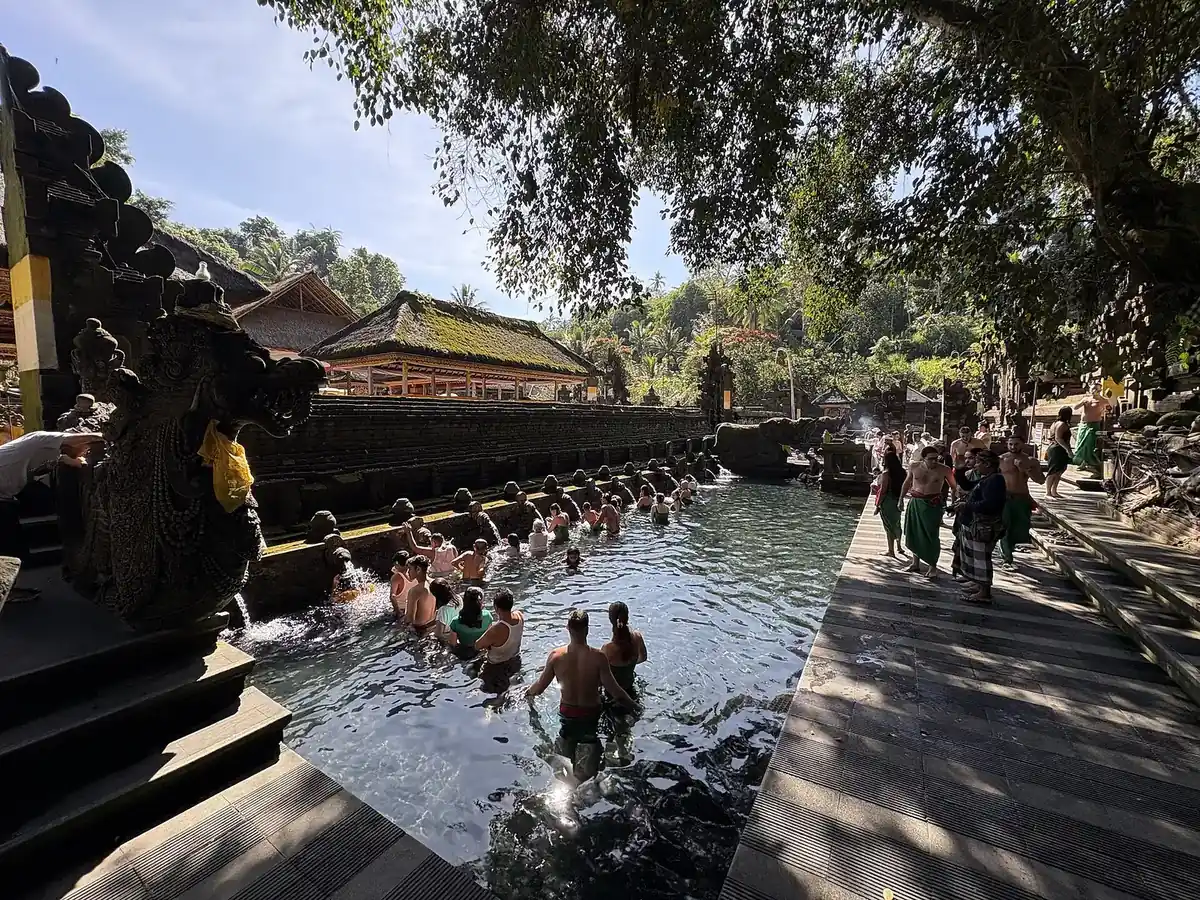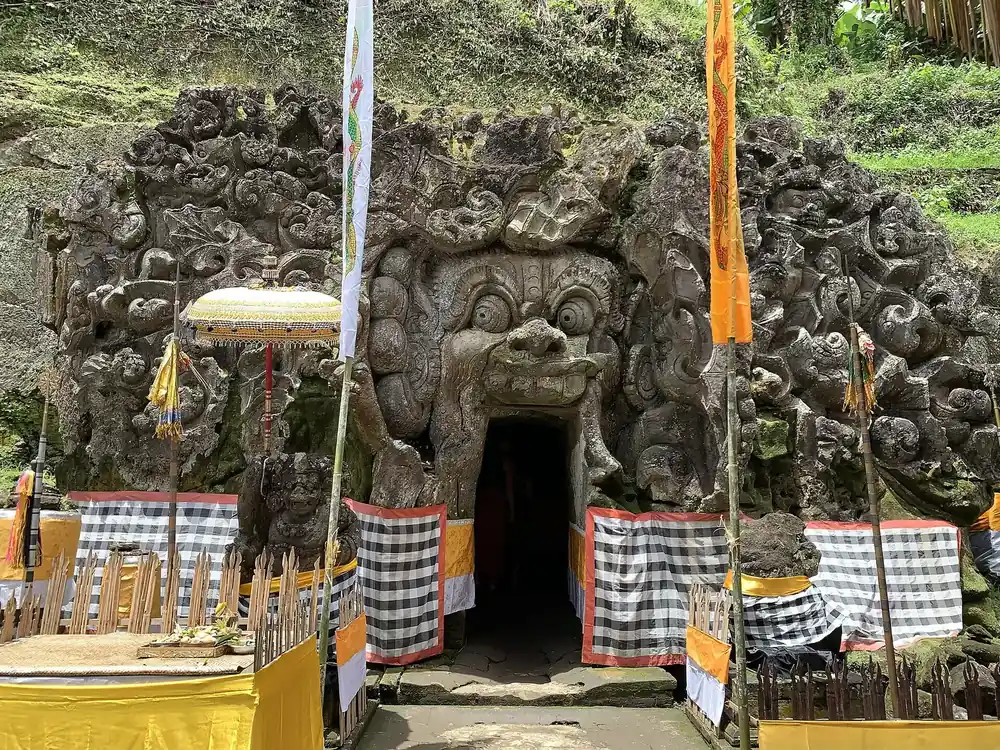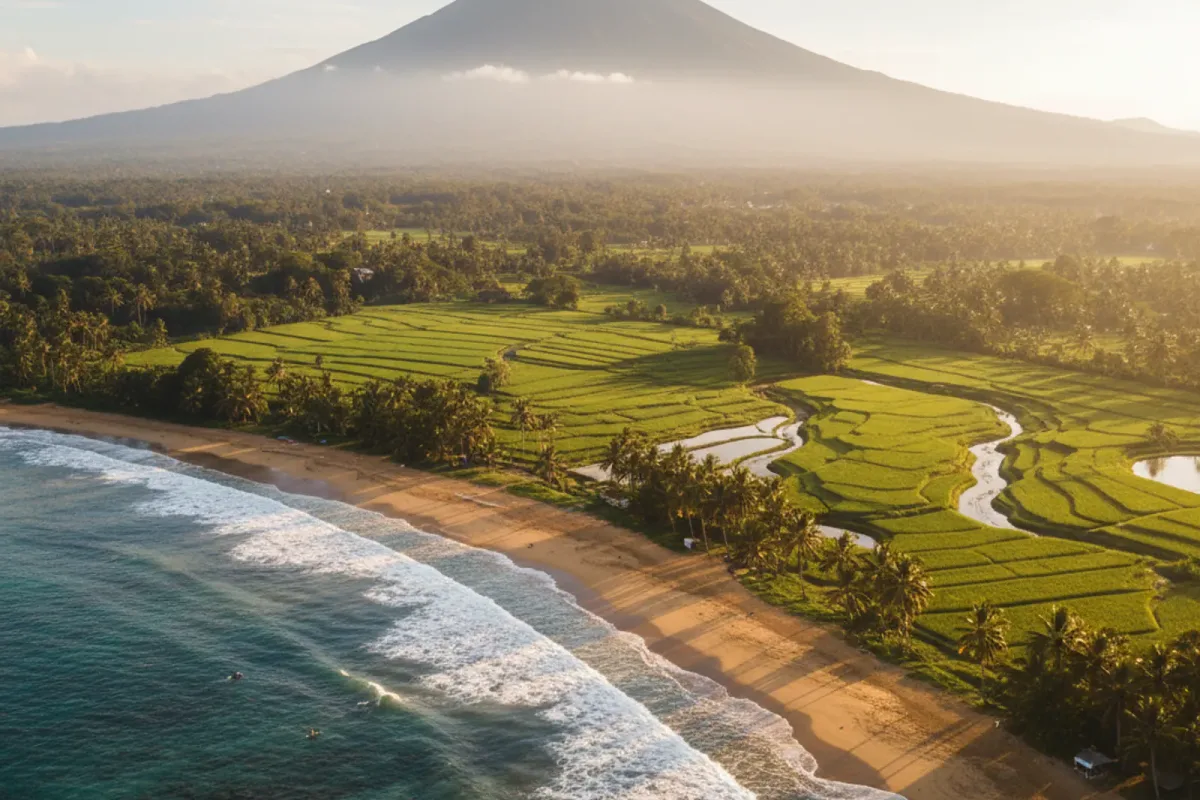
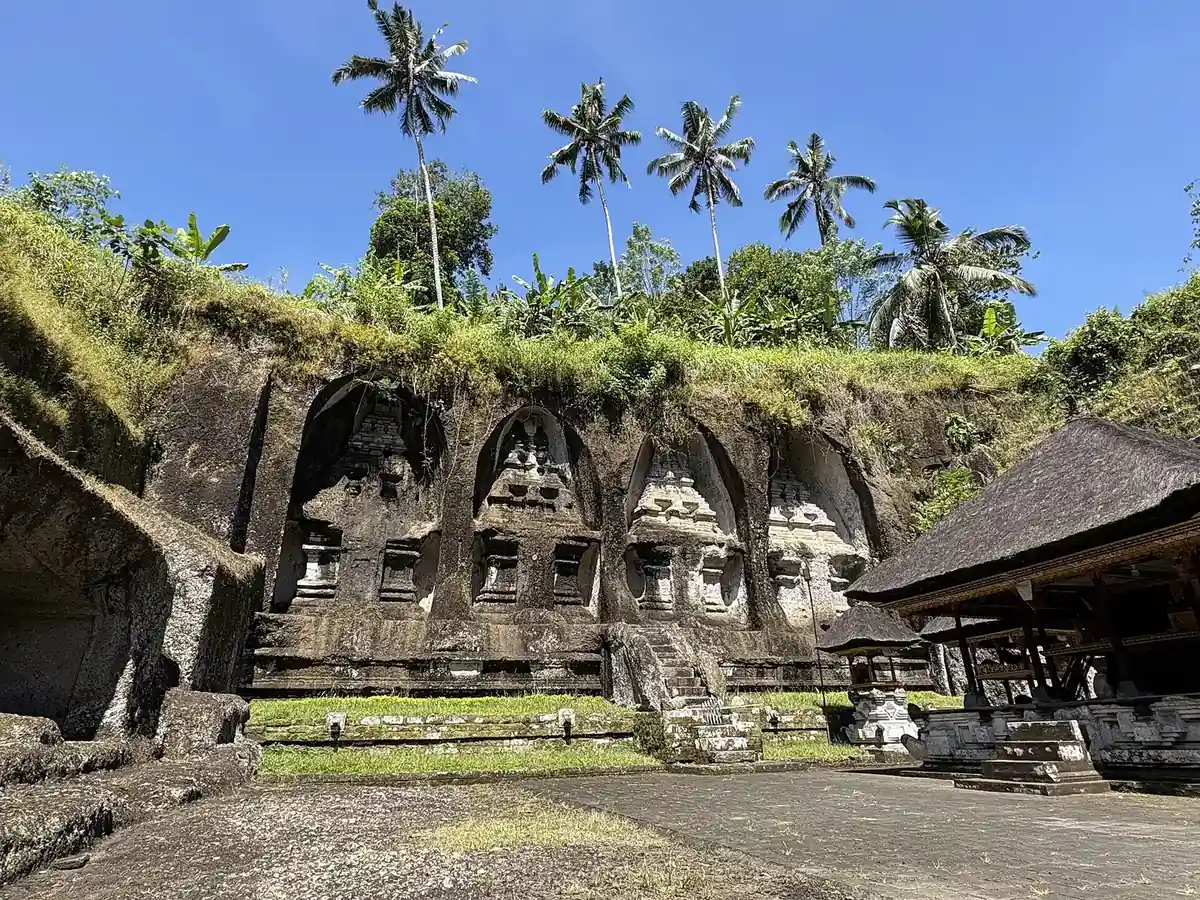
Pura Gunung Kawi Sebatu (not to be confused with the royal tomb complex of Gunung Kawi in Tampaksiring) is a water temple built around natural freshwater springs in the village of Sebatu, north of Ubud. The temple features a series of crystal-clear spring-fed pools inhabited by hundreds of large carp and koi fish considered sacred. The complex sits in a lush jungle-gorge setting and is one of the least commercialised temple experiences in the Ubud region. It is often the highlight of visitors who discover it on the way to or from Tirta Empul.
History & Significance
Gunung Kawi Sebatu is an active Balinese Hindu water temple (pura tirta) dedicated to Vishnu and to the spring deity. The natural springs here have been considered sacred for centuries as a source of holy water (tirta) used in purification rituals. The temple was substantially renovated in the 20th century but retains a traditional tiered layout. The sacred fish in the pools — carp and other freshwater species — are considered the guardians of the springs and are not to be disturbed.
The Sebatu area north of Ubud sits in a river gorge landscape where the volcanic rock holds abundant underground water, producing multiple sacred springs. Pura Gunung Kawi Sebatu, Pura Tirta Empul (2 km south) and the Gunung Kawi royal tombs (3 km south) form a cluster of sacred water sites in a compact area. The low entry fee (typically IDR 20,000) and light tourist presence make this one of the best value temple experiences in Bali.
Opening Hours & Entrance Fee
08:00–17:00 daily
IDR 20,000 per adult (check on arrival, prices change)
Note: prices change without notice — always verify on arrival.
How to Get There
From Ubud centre: 14 km north, about 25–30 minutes by scooter or car. Take the road north through Tegallalang toward Tampaksiring, then branch northeast to Sebatu. Grab car from central Ubud approximately IDR 60,000–80,000. The site is most naturally combined with Tirta Empul (2 km south) as a single morning out of Ubud. Very limited signage on approach roads — ask locally or use Google Maps with the specific name "Gunung Kawi Sebatu".
Dress Code & Etiquette
Sarong and sash required. Available at the entrance for a small rental. Dress modestly. If you plan to participate in the purification pool, wear or bring a swimsuit under your sarong and bring a change of clothes.
What to See: Highlights
- The crystal-clear spring-fed pools with enormous sacred carp
- The series of spring-water spouts emerging from carved stone faces
- The inner temple complex with meru shrines surrounded by tropical gardens
- The gorge walk down to the river — lush, cool and peaceful
- Near-total absence of souvenir vendors or touts
- The purification pool where visitors can participate in holy water blessings
Best Time to Visit
Morning visits (08:00–10:30) are quiet and peaceful. Midday is still generally calm — this site never gets as crowded as Tirta Empul or the main Gunung Kawi tomb complex. The spring water maintains a constant cool temperature regardless of season.
Common Scams & What to Watch For
Very low scam activity — this is one of the most genuinely low-key and respectful temple experiences in the Ubud area. No aggressive guides or donation collectors reported. The entrance fee is collected at a simple booth.
Nearby Attractions
Pura Tirta Empul (2 km south), Gunung Kawi royal tombs in Tampaksiring (3 km south — different site from this temple), Tegallalang Rice Terrace (7 km south), Kintamani volcano viewpoint (20 km north).
Frequently Asked Questions
Is Gunung Kawi Sebatu the same as Gunung Kawi in Tampaksiring?
Are the fish in the pools really sacred?
Why is the entrance fee so cheap?
Can I combine Gunung Kawi Sebatu with Tirta Empul?
Is there a purification ritual here like at Tirta Empul?
How long does a visit take?
Planning a visit to Gunung Kawi?
Ask us anything — best day, transport from your accommodation, combining with other temples, guided tours. Free WhatsApp help, real reply in about 10 minutes.
Message us on WhatsApp