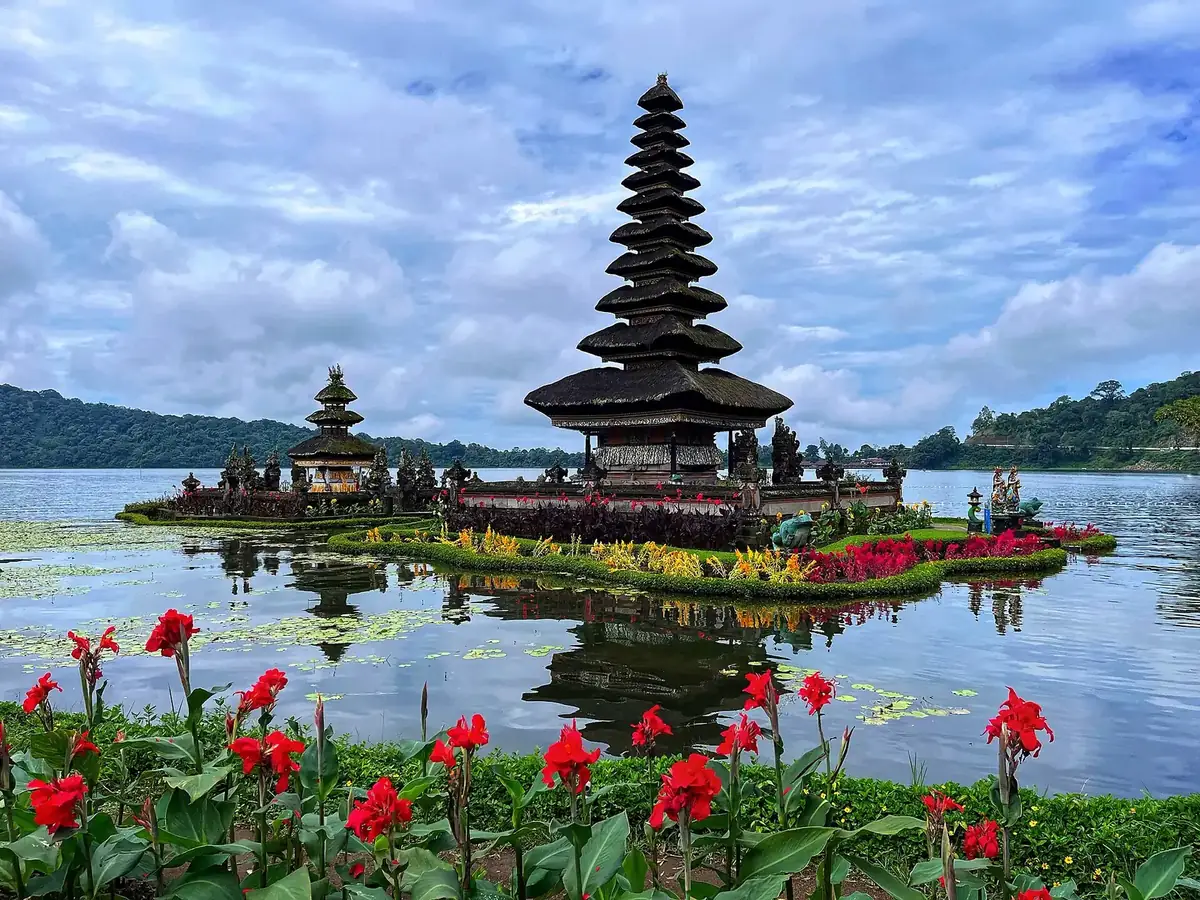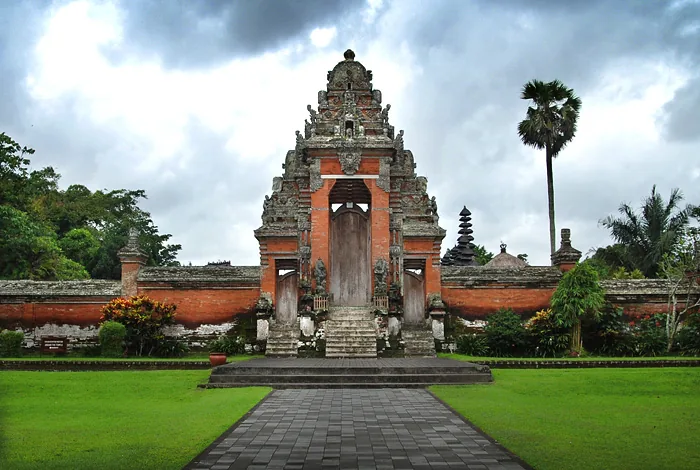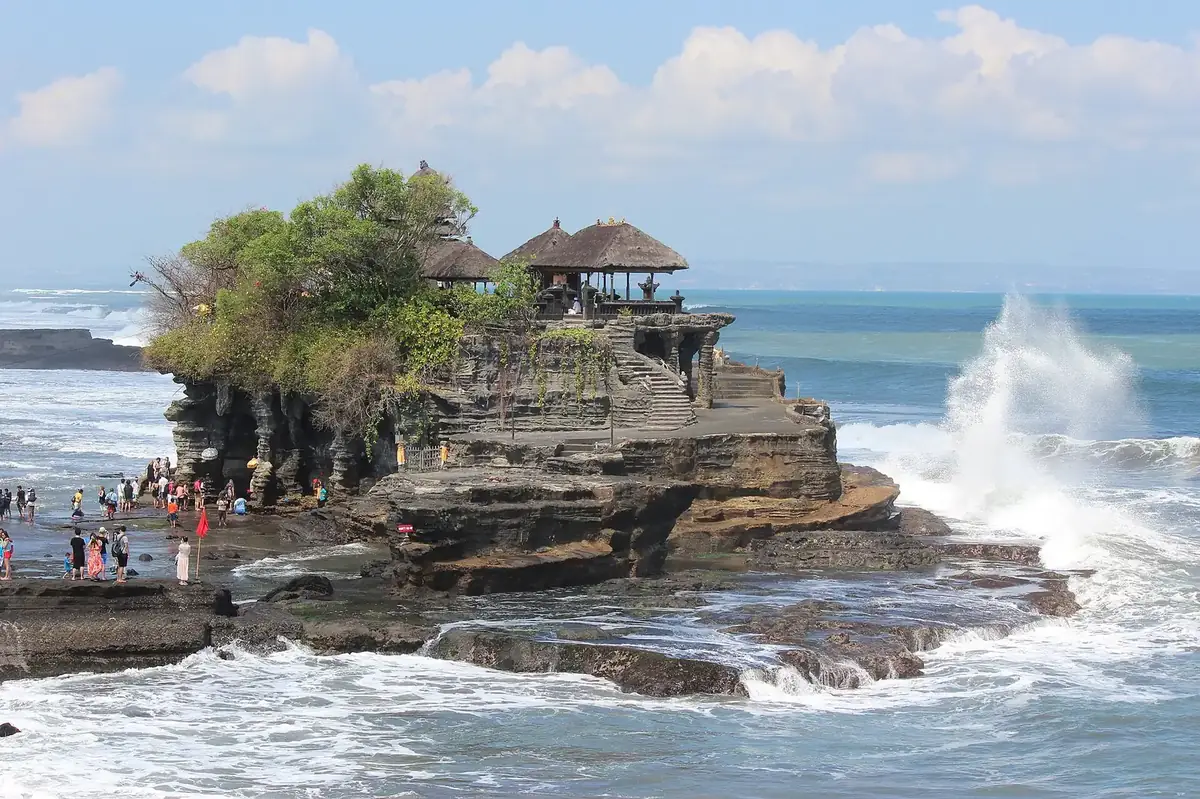
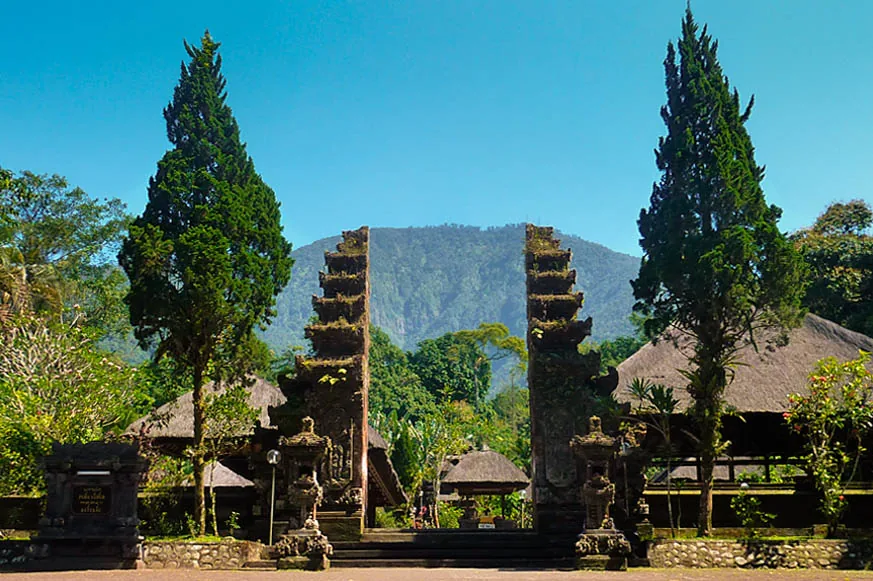
Pura Luhur Batukaru sits at approximately 800 metres elevation in dense tropical forest on the southwestern slopes of Mount Batukaru (2,276m), Bali's second highest volcano and one of its most sacred mountains. The temple is the "west" directional guardian in the Sad Kahyangan Jagad system and is considered one of the holiest sites in Bali. Its remote forest setting, perpetual cloud cover, moss-covered stones and near-total absence of tourist infrastructure create one of the most atmospheric temple experiences on the island.
History & Significance
Pura Luhur Batukaru is attributed to the Tabanan royal family as their state temple and sacred mountain shrine. The temple honours the god of Lake Tamblingan (Dewa Mahadewa), associated with the western direction and with water. The Tabanan Kingdom, one of Bali's most powerful pre-colonial kingdoms, built and maintained Batukaru as its principal ceremonial site. The temple was destroyed during the 19th-century wars between Balinese kingdoms and rebuilt in the early 20th century.
Unlike the more accessible temples in south Bali, Batukaru has never been heavily developed for tourism. The approach road is narrow, the forest around the temple is genuinely wild (the surrounding area is part of a protected forest reserve), and on most days the temple is wrapped in cloud and dripping with moisture. This is both the challenge and the appeal. Jatiluwih Rice Terraces — the most photographed rice fields in Bali — are 10 km away and are typically combined with a Batukaru visit.
Opening Hours & Entrance Fee
08:00–17:00 daily
IDR 30,000 per adult (check on arrival, prices change)
Note: prices change without notice — always verify on arrival.
How to Get There
From Canggu: 42 km north through Mengwi and up into the highlands toward Wongayagede village. Allow 75–90 minutes by car. From Ubud: 50 km west, allow 90–120 minutes through varying terrain. No reliable public transport or Grab service to the temple. You need a private car or scooter. The road beyond Jatiluwih becomes narrow and steep. Combine with Jatiluwih UNESCO Rice Terraces (10 km east) for an efficient northwest Bali half-day.
Dress Code & Etiquette
Sarong and sash required. The forest is cool and damp — bring a light layer and wear shoes that can handle uneven, sometimes muddy paths. The temple is remote: basic sarong rental is available at the entrance but bring your own to be safe.
What to See: Highlights
- The main meru tower shrouded in cloud and surrounded by moss-covered stone
- The sacred lake within the temple complex — a small pool considered the residence of the lake deity
- The cloud forest setting — giant ferns, dripping moss, ancient trees
- Near-complete absence of other tourists on most days
- The river gorge below the temple grounds
- Views toward Jatiluwih rice terraces if clouds clear
Best Time to Visit
Morning (08:00–11:00) is best. Cloud cover builds rapidly by midday and the temple can be engulfed in cloud by early afternoon. That said, mist and cloud add to the atmosphere — even a foggy visit is memorable. Dry season (May–October) gives the best chance of clear skies in the morning.
Common Scams & What to Watch For
Essentially no tourist infrastructure or scam activity. The temple operates on a very simple basis — a ticket booth and basic facilities. One of the most straightforward, undeveloped temple experiences in Bali.
Nearby Attractions
Jatiluwih UNESCO Rice Terraces (10 km east), Lake Tamblingan (15 km northeast for a quiet highland lake experience), Ulun Danu Beratan (25 km east), Tanah Lot (30 km southwest).
Frequently Asked Questions
Is Pura Luhur Batukaru the most spiritual temple in Bali?
Is the road to Batukaru difficult?
How do I combine Batukaru with Jatiluwih?
Is Batukaru usually cloudy?
How long do you need at Batukaru?
Can you hike Mt Batukaru from the temple?
Planning a visit to Batukaru?
Ask us anything — best day, transport from your accommodation, combining with other temples, guided tours. Free WhatsApp help, real reply in about 10 minutes.
Message us on WhatsApp