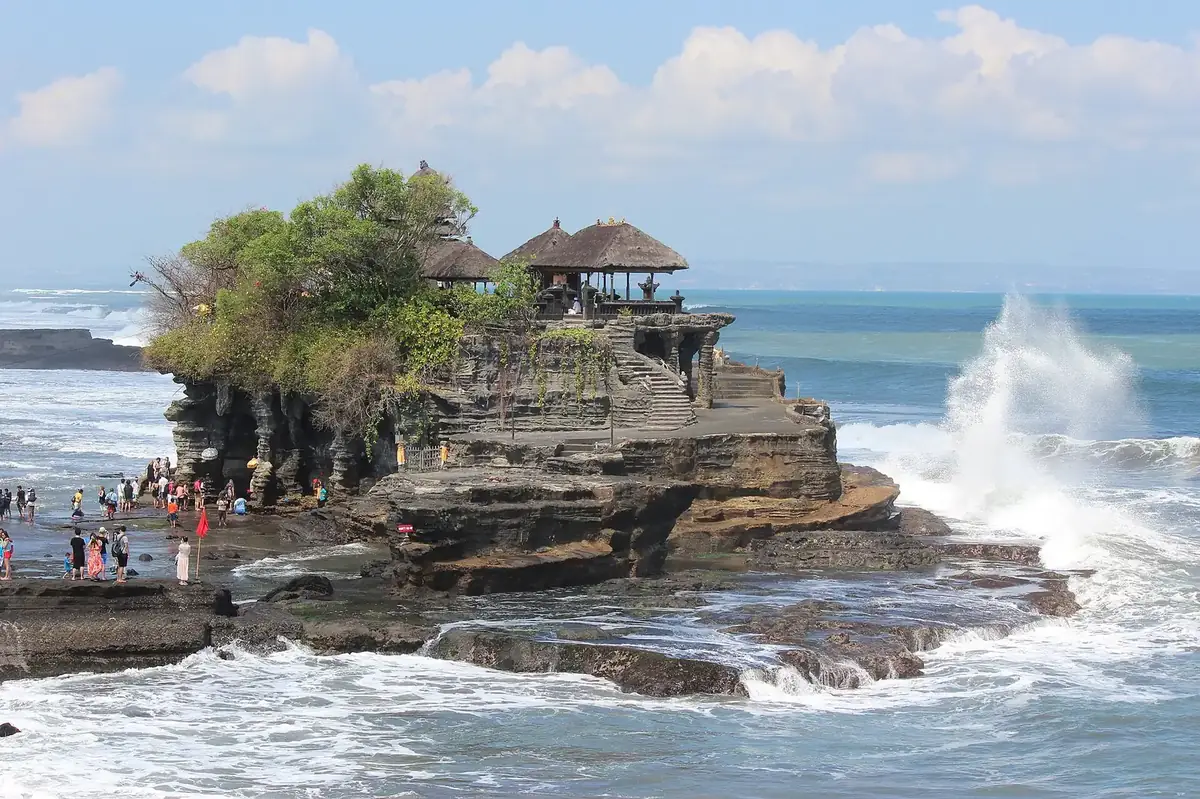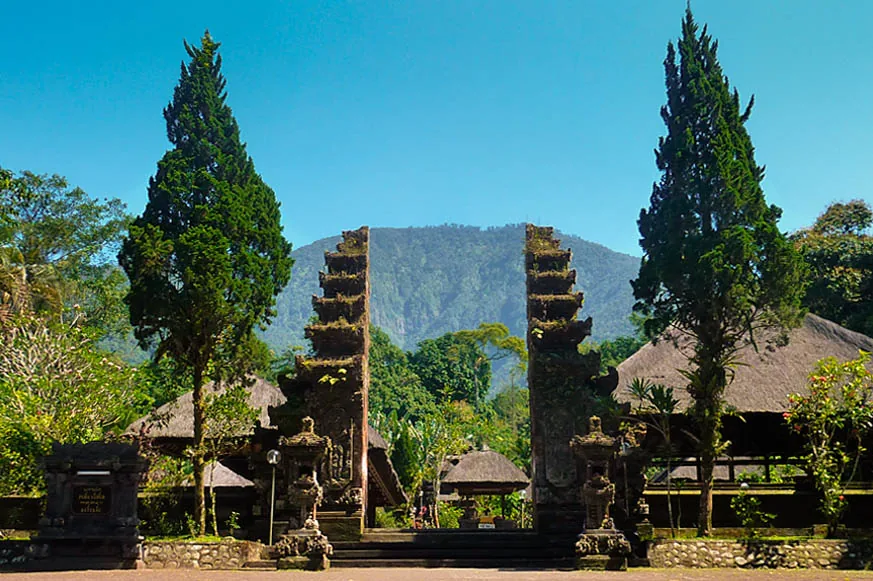
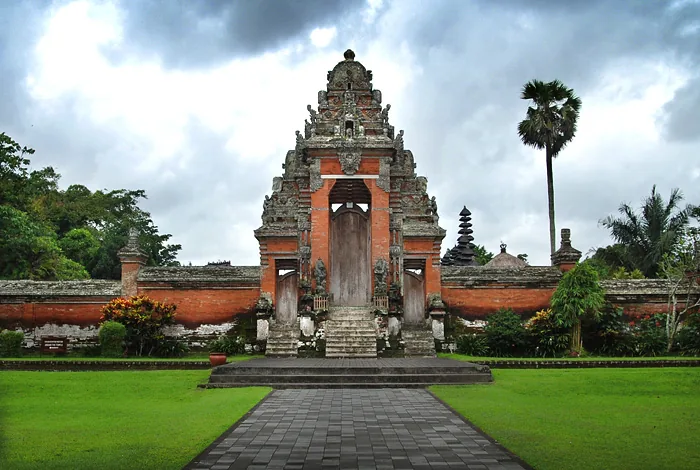
Pura Taman Ayun is the royal state temple of the Mengwi Kingdom, built in 1634 and set on an island-like plot surrounded by an ornamental moat. The name means "Garden Temple in the Water" — an accurate description of a complex where the multi-tiered meru towers are reflected in the surrounding water. The temple is part of the UNESCO-listed Subak landscape of Bali and is one of the finest examples of Balinese royal temple architecture. Despite its historical and architectural significance, it receives far fewer visitors than Tanah Lot (just 15 km southwest) and feels genuinely peaceful.
History & Significance
Pura Taman Ayun was built by the Mengwi king I Gusti Agung Putu (the same ruler who built Ulun Danu Beratan) in 1634. The Mengwi Kingdom was one of the most powerful kingdoms in Bali from the 17th to early 19th century. The temple served as the state pura (directional temple) of the kingdom, where the spirits of all the gods revered in the subservient village temples were symbolically gathered. This concept — a hierarchical system of affiliated temples — is a fundamental feature of Balinese Hinduism.
The temple was renovated in 1937 under Dutch colonial supervision. In 2012, Pura Taman Ayun was inscribed as part of the UNESCO World Heritage Site "Cultural Landscape of Bali Province: the Subak System as a Manifestation of the Tri Hita Karana Philosophy." The Subak system links temples, water management and rice cultivation in a model that UNESCO considers a unique example of a sustainable cultural landscape.
Opening Hours & Entrance Fee
08:00–17:00 daily
IDR 20,000 per adult (check on arrival, prices change)
Note: prices change without notice — always verify on arrival.
How to Get There
From Canggu: 20 km northeast, about 30–40 minutes by car through Mengwi. Grab car approximately IDR 80,000–100,000 one way. From Ubud: 30 km west, about 45–60 minutes. Most visitors combine Taman Ayun with Tanah Lot (15 km southwest) and possibly Ulun Danu Beratan (35 km north) on a single west Bali day trip.
Dress Code & Etiquette
Sarong and sash required. Available at the entrance for hire. The outer garden and moat perimeter are accessible without entering the temple proper, but the sarong requirement applies to the entire site.
What to See: Highlights
- The wide ornamental moat surrounding the entire complex — walk the perimeter for reflections of the meru towers
- Eleven-tiered meru towers visible above the inner courtyard wall
- The outer gardens and fish ponds, peaceful and well maintained
- The gateway (candi bentar) with its ornate split-gate carvings
- The UNESCO World Heritage information boards explaining the Subak system
- Almost no souvenir vendors or touts — a calm contrast to Tanah Lot
Best Time to Visit
Morning (08:00–10:30) gives the best light on the meru towers and the calmest conditions. The site is never extremely crowded by Bali standards. Weekend domestic visitors peak around midday. The moat reflection photography works best in flat morning light.
Common Scams & What to Watch For
Very low scam activity. The entrance is clearly signed and the fee is fixed at the ticket booth. No aggressive touts or fake guides reported. A straightforward, honest temple experience.
Nearby Attractions
Tanah Lot temple (15 km southwest), Ulun Danu Beratan (35 km north), Blayu village weaving workshops (5 km north), Canggu (20 km south).
Frequently Asked Questions
Is Taman Ayun a UNESCO World Heritage Site?
Can you enter the inner temple at Taman Ayun?
How does Taman Ayun compare to Tanah Lot?
How long do you need at Taman Ayun?
Is Taman Ayun easy to combine with Tanah Lot?
What is the UNESCO Subak system?
Planning a visit to Taman Ayun?
Ask us anything — best day, transport from your accommodation, combining with other temples, guided tours. Free WhatsApp help, real reply in about 10 minutes.
Message us on WhatsApp