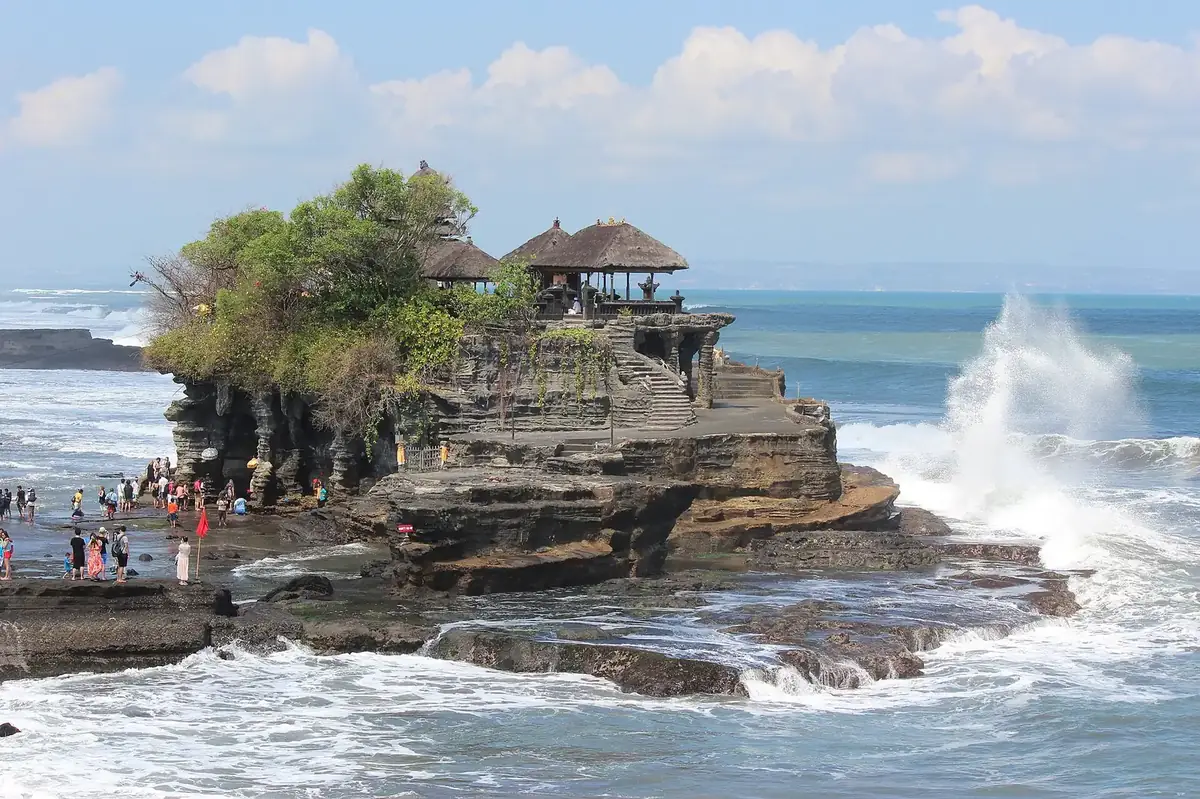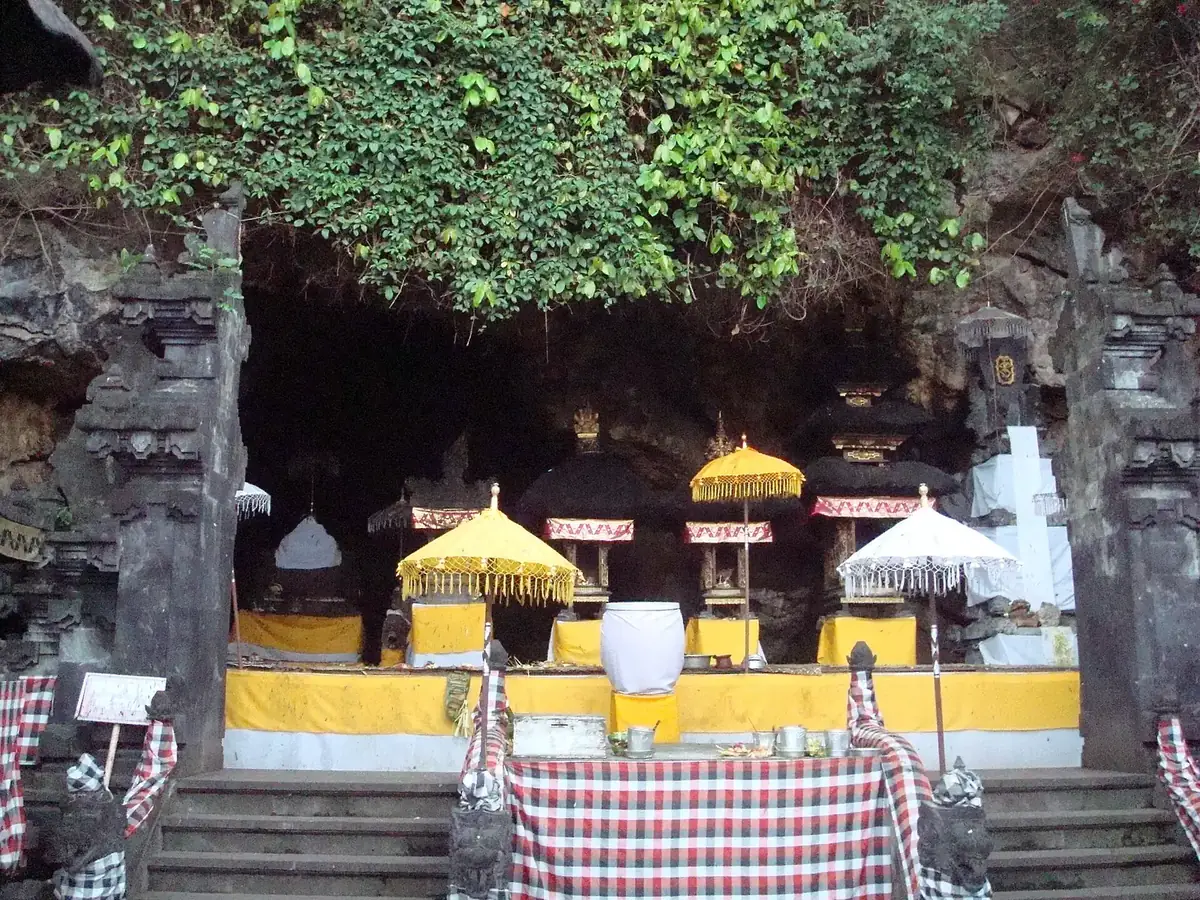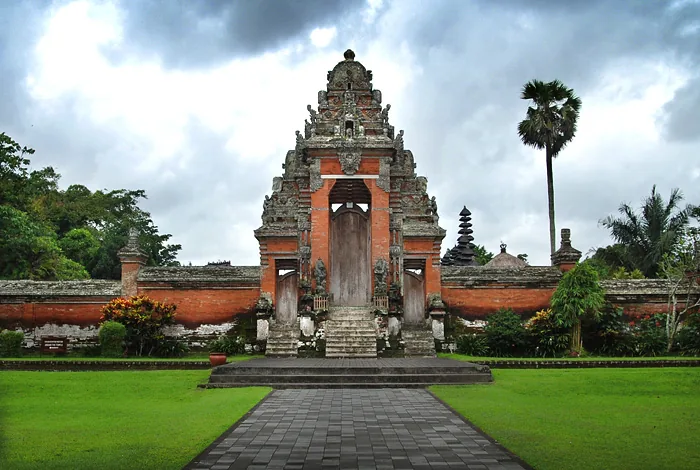
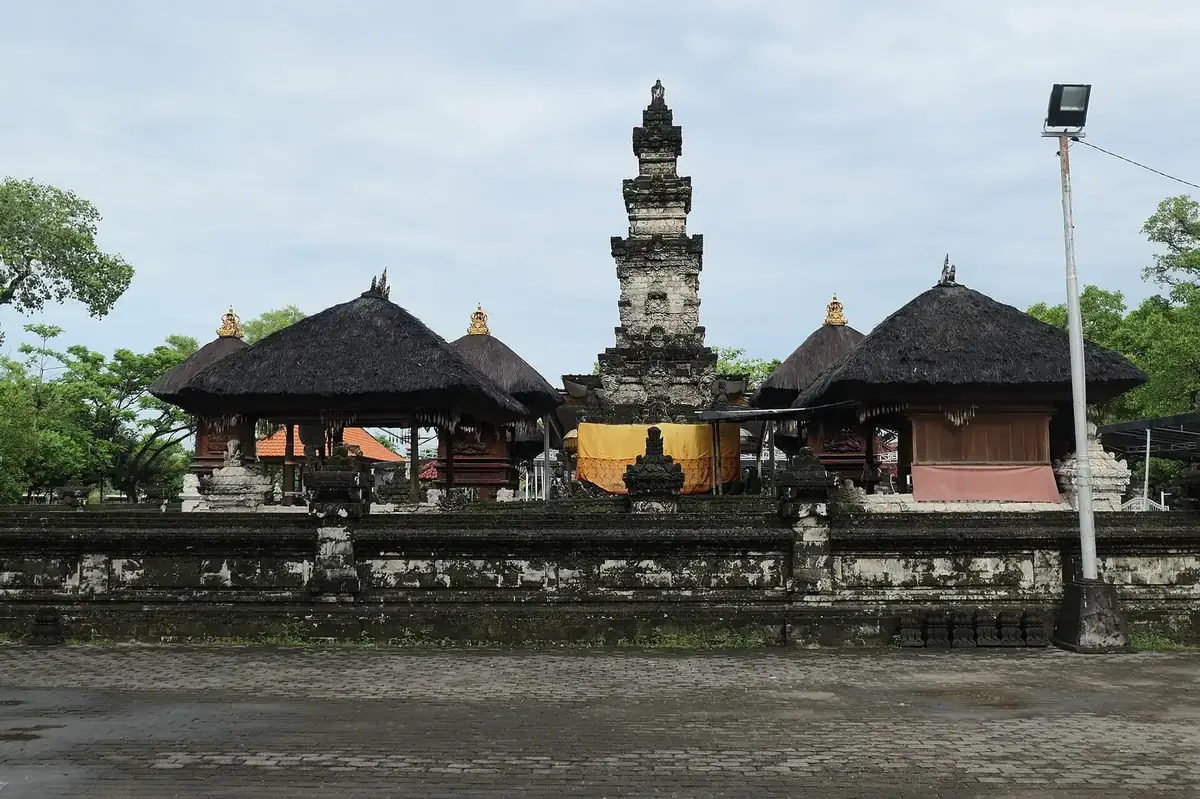
Pura Sakenan stands on Serangan Island (Pulau Serangan), a small island connected to the south Bali coast by a causeway about 7 km south of Sanur. The temple is one of Bali's important sea temples and draws large Balinese pilgrimage crowds during the Kuningan festival (held every 210 days on the Balinese calendar). For most foreign visitors, it is an off-the-beaten-track destination — a genuine working temple with little tourist infrastructure that offers insight into Balinese Hindu pilgrimage culture rather than a polished tourist attraction.
History & Significance
Pura Sakenan is attributed to Mpu Kuturan, the 11th-century Javanese-Balinese priest credited with founding numerous sacred temples across Bali as part of the Kahyangan Tiga system. The temple was an important pilgrimage site for Balinese Hindus from the Denpasar and Badung regions long before the causeway was built. Serangan Island itself was traditionally home to turtle farming communities, though sea turtle trade was largely ended by conservation laws. The island's ecology was significantly altered in the 1990s by a controversial reclamation project that tripled its size.
During the Kuningan day (which falls every 210 days on the Balinese Pawukon calendar), tens of thousands of Balinese Hindus make a pilgrimage to Pura Sakenan by foot, boat and vehicle. The procession is one of the most vivid expressions of living Balinese Hindu ceremonial culture. Outside of Kuningan, the island and temple are very quiet. The surrounding sea is used by local fishermen and there are basic warung on the island.
Opening Hours & Entrance Fee
08:00–18:00 daily; busiest during Kuningan festival
IDR 20,000 per adult (check on arrival, prices change)
Note: prices change without notice — always verify on arrival.
How to Get There
From Sanur: 7 km south by car, about 15 minutes. Drive south through Sanur and across the causeway to Serangan Island. From Canggu: 32 km southeast, 45–60 minutes. From Ubud: 40 km southwest, 60–75 minutes. The island has a parking area near the temple. No Grab service available on the island itself.
Dress Code & Etiquette
Sarong and sash required. Available at the entrance. Standard Balinese temple dress code applies.
What to See: Highlights
- The active temple complex with traditional Balinese architectural elements
- The island setting surrounded by mangrove edges and sea
- The approach causeway from the south Bali mainland
- Quiet mangrove coastline and fishing village atmosphere
- A rare experience of an important temple with virtually no tourist crowd (outside Kuningan)
- Balinese pilgrimage atmosphere during Kuningan festival — an extraordinary cultural spectacle
Best Time to Visit
Any day outside of Kuningan is peaceful and uncrowded. If you want to experience the pilgrimage, check the Balinese calendar for the next Kuningan day. Mornings are quietest. The causeway and island road can flood in very heavy rain.
Common Scams & What to Watch For
Minimal tourist infrastructure means minimal scam activity. The entrance is simple and the fee is modest. Very few touts or guides operate here.
Nearby Attractions
Sanur beach and seafront path (7 km north), Nusa Penida ferry port in Sanur (7 km north), Benoa Harbour (3 km west), Jimbaran fish market (10 km west).
Frequently Asked Questions
Is Pura Sakenan worth visiting?
What is the Kuningan festival?
Is Serangan Island safe to visit?
How far is Pura Sakenan from Sanur?
Can I walk around the island?
What time is the Kuningan pilgrimage at Pura Sakenan?
Planning a visit to Pura Sakenan?
Ask us anything — best day, transport from your accommodation, combining with other temples, guided tours. Free WhatsApp help, real reply in about 10 minutes.
Message us on WhatsApp